A Warm August Day
August 16, 1996 began as an ordinary afternoon at Brookfield Zoo, in the western suburbs of Chicago. Inside Tropic World, the zoo's cavernous indoor primate building and one of the largest habitats of its kind, several gorillas moved through their enclosure while families pressed against the viewing rails to watch.
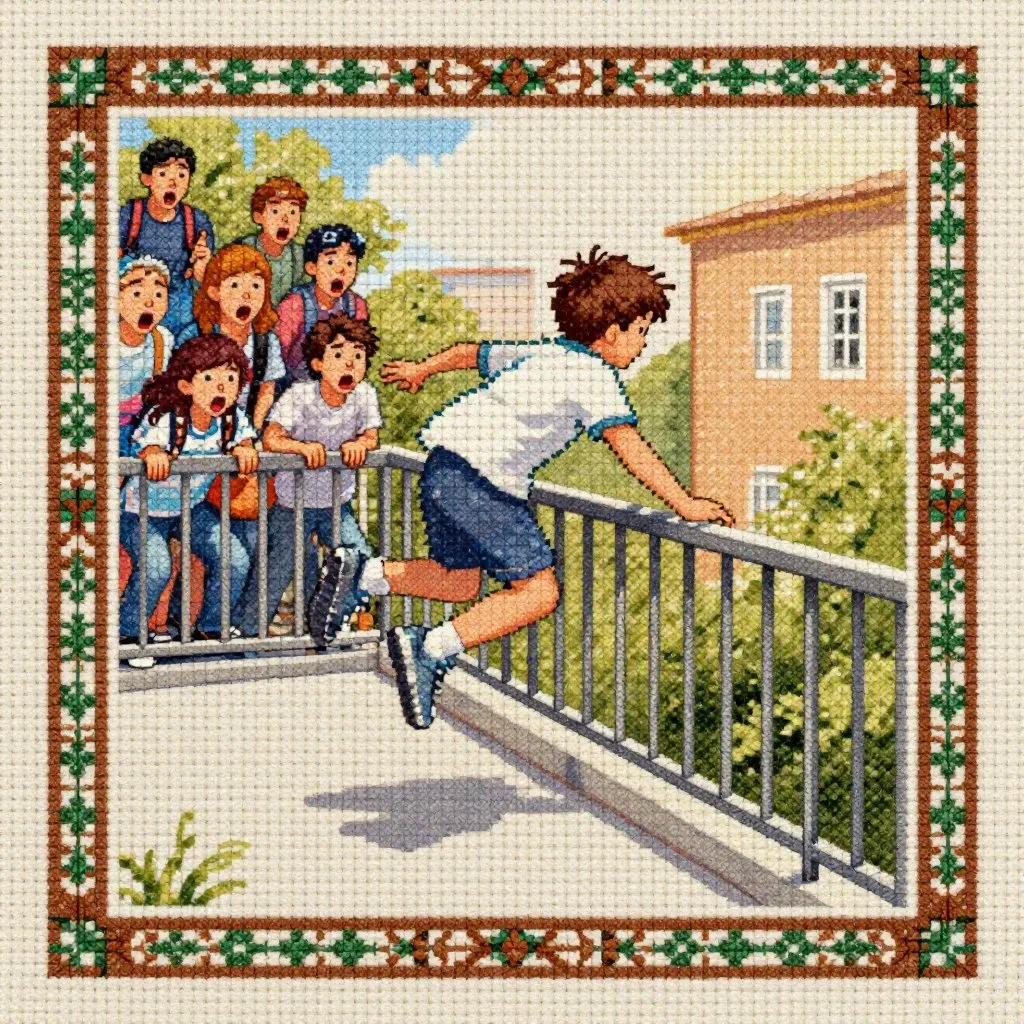
Then a three-year-old boy slipped from the crowd, climbed over a railing, and fell about eighteen feet to the concrete below. He landed hard and lay still. For a moment everyone at the rail went quiet, unsure what would happen next, and seven gorillas now shared the floor with a small, motionless child.
Binti Jua Walked Over
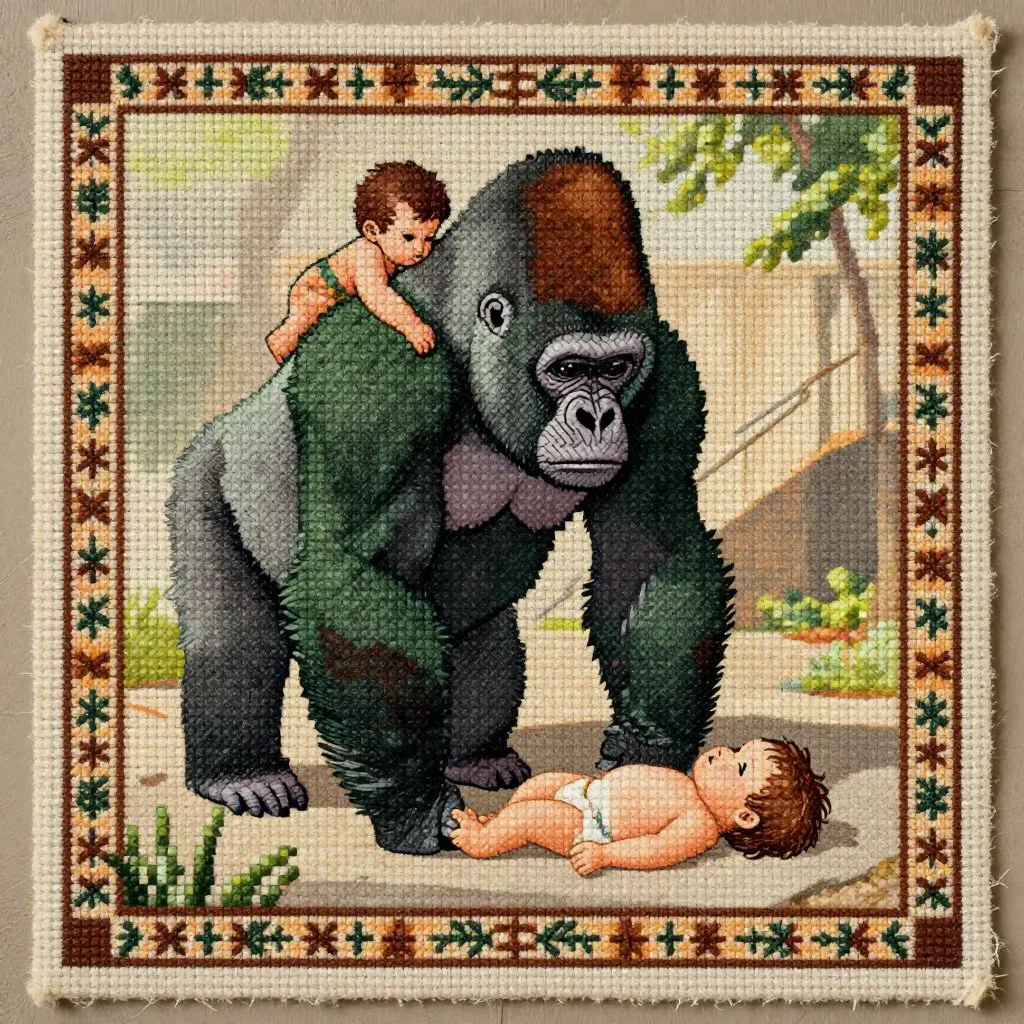
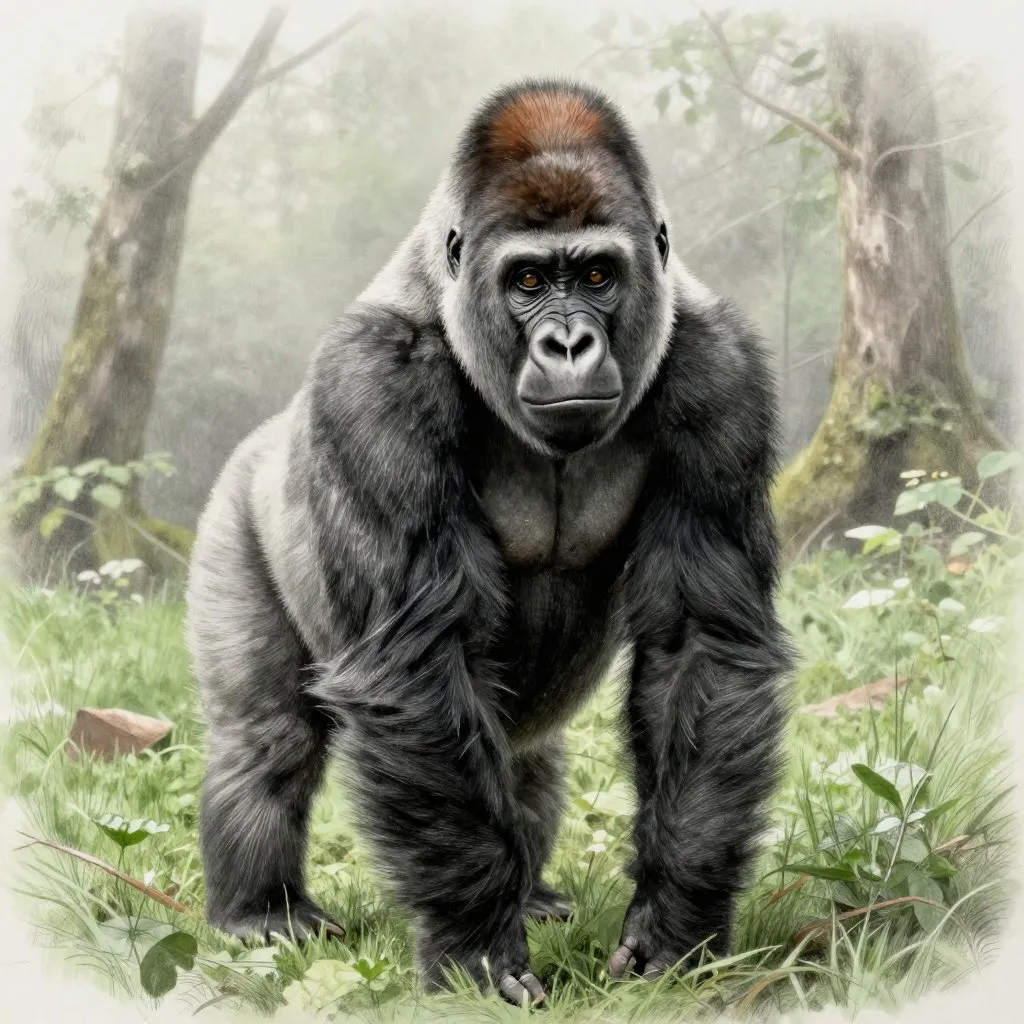
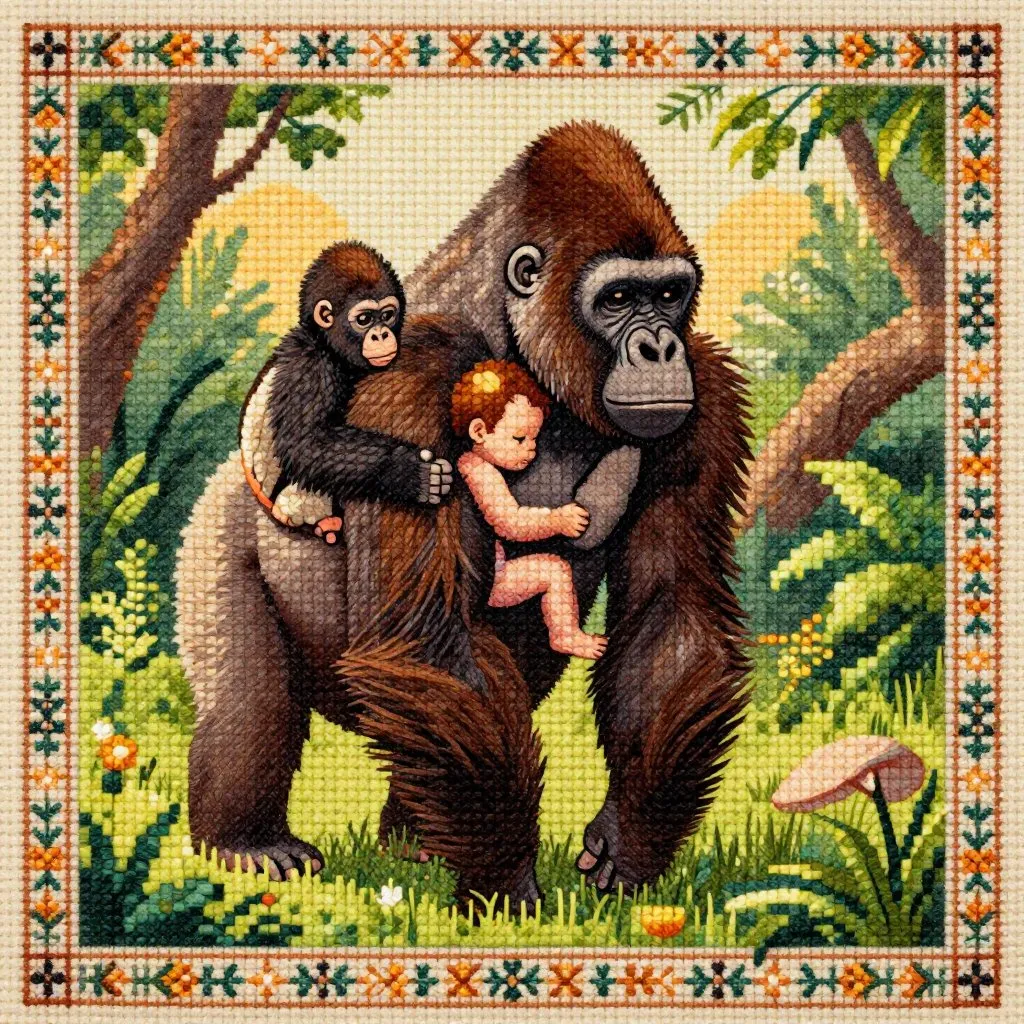
One of the gorillas on the floor that afternoon was Binti Jua, a western lowland gorilla, eight years old. On her back rode her seventeen-month-old daughter, Koola. She was already a mother, with a small one of her own to mind, and no reason to go near the strange shape that had just dropped into her enclosure.
She crossed to the boy anyway. She crouched over him, worked her arms beneath his body, and lifted him the slow, deliberate way she would lift her own infant. Then she cradled him against her chest, Koola still holding on behind, and began to walk.
The Door She Knew
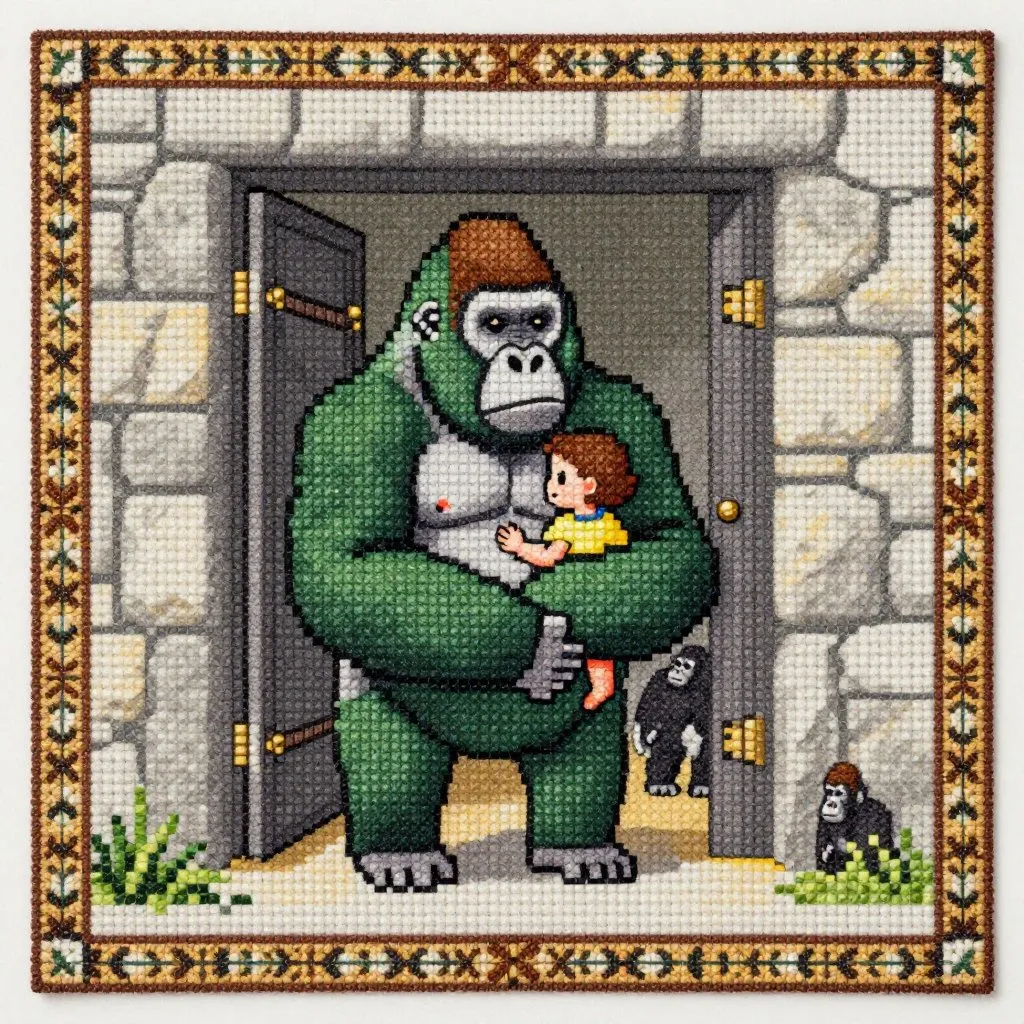
Binti Jua did not carry the boy to a corner, a wall, or one of the viewing windows where the crowd stood. She went straight for the keepers' access door, the one that opened onto the staff corridor where help waited. She had lived in this exhibit for years and knew every foot of it.
She set him down gently near the door and stayed close, putting her own body between the boy and the rest of the group. Keepers used hoses to spray water and hold the other gorillas back while paramedics moved in to reach the child. From fall to rescue, the whole thing was over in a couple of minutes.
Why She Knew What She Knew
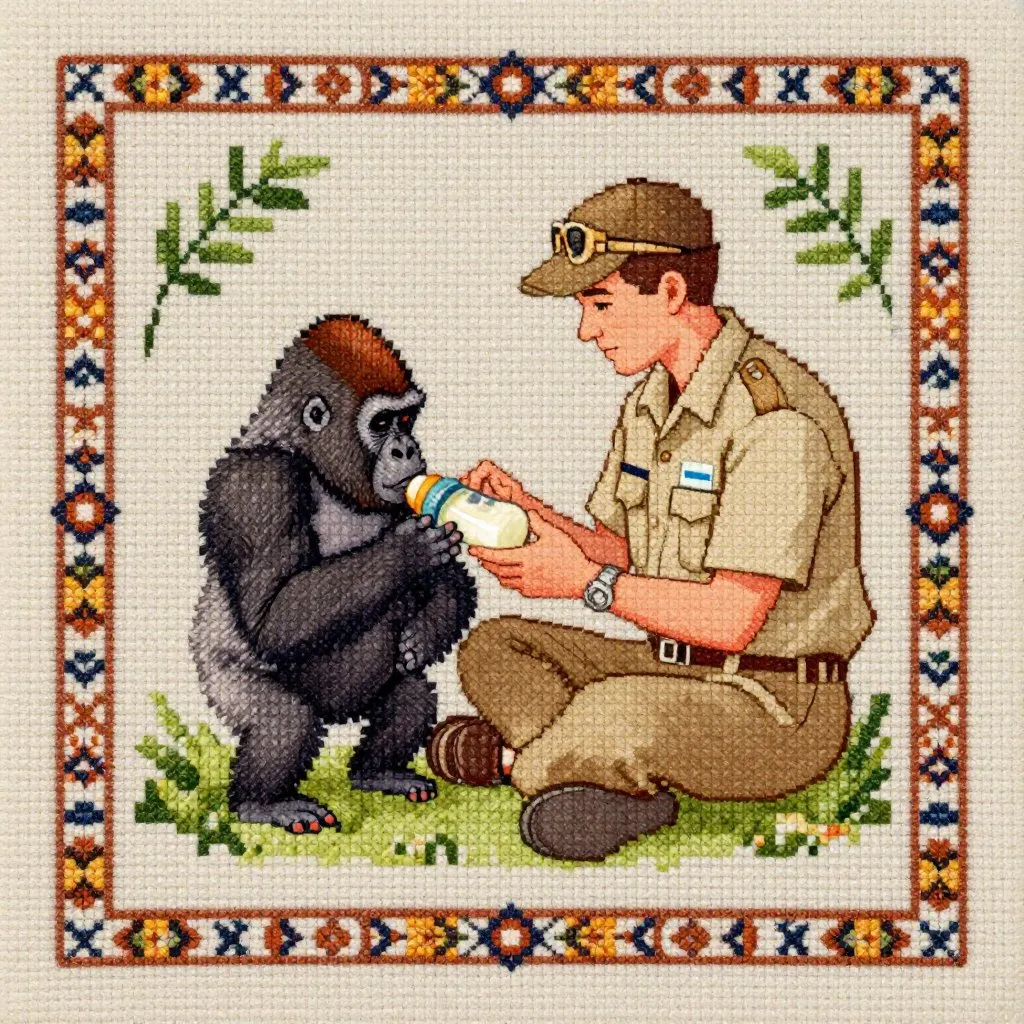
Binti Jua had not been raised by gorillas. She was born at the Columbus Zoo in 1988 and hand-reared by people after her mother could not care for her, which meant she never learned mothering the way wild gorillas do, by watching the females around them hold and carry their young.
So when she became pregnant with Koola, Brookfield's staff taught her directly. They used a plush toy to show her how to hold an infant against her chest and how to bring it in to nurse. She practiced the cradling and the patience before she ever had a baby of her own. That training was still in her the day the boy fell, and it may be why she reached for him at all.
The Boy Recovered
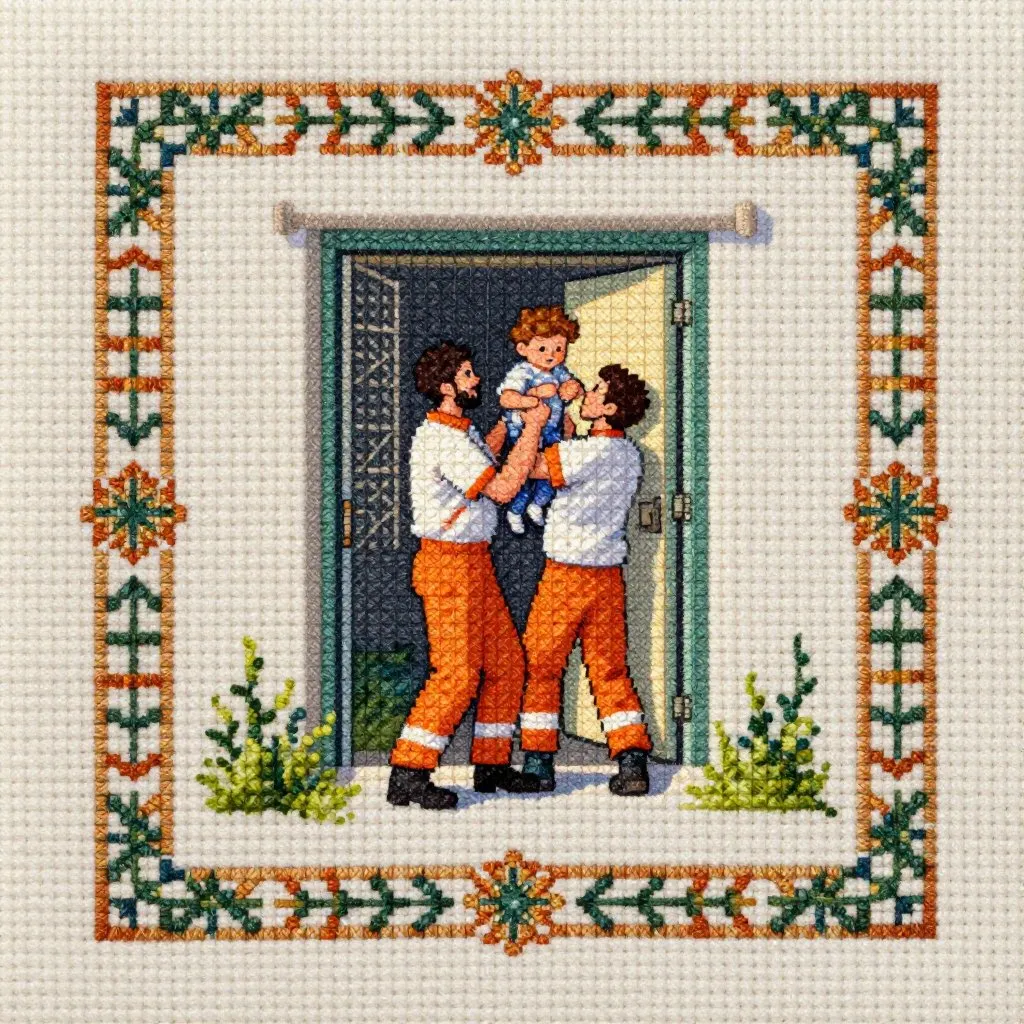
Paramedics lifted the boy out and rushed him to a hospital. He had a broken hand and cuts to his head and face, and he spent several days recovering before he went home and healed. His family asked to keep his name private, and the zoo respected that.
Around the country, people watched the footage over and over and struggled to say plainly what they had seen: a gorilla carrying a hurt child across an enclosure, laying him down at a door, guarding him until help arrived. It did not fit any tidy category, and that was exactly why it would not let people go.
What She Chose
Primatologists offered careful explanations, and most of them were probably right in part: a maternal pull sharpened by her own new motherhood, the hand-rearing that had bonded her to people, the plush-toy training, a general instinct toward something small and helpless. Experts were quick to warn against turning her into a saint, and that caution was fair.
But Binti Jua also knew where the door was. She had spent years in that exhibit. She did not carry the boy to a wall, a corner, or a viewing window full of onlookers. She carried him to the one place where people could actually reach him. Whatever the mix of instinct and habit behind it, the knowledge of that door, and the walk to it, were hers.
The Video the World Saw

The reason the whole world saw it is simple: a zoo visitor happened to have a home video camera running. The tape traveled fast. Within a day the shaky footage was on the national news, and within a week Binti Jua was in newspapers around the globe. That winter, People magazine named her to its 25 Most Intriguing People of 1996, and she picked up awards and honors through the following year.
If you go looking for the video today, it is still out there. It is not dramatic footage. You see a gorilla move to a small shape on the floor, gather it up, and carry it out of frame toward the door. What made it travel was not spectacle but the plain fact of what it showed, watched again and again by people trying to decide what they had just seen.
The clip also called up an older one. A decade earlier, in 1986, a gorilla named Jambo had stood guard over a boy who fell into an enclosure at the Jersey Zoo in the Channel Islands, and that moment had been filmed too. Watching Binti Jua, people remembered Jambo, and the old question came back: how much of this is instinct, and how much is something closer to a choice.
Where Binti Jua Is Now
The baby on her back that day grew up. Koola stayed at Brookfield Zoo and in time became a mother herself, raising her own infants in the same building where her mother once carried a stranger's child to safety. The line went on in the place where it started.
Binti Jua's name means Daughter of Sunshine in Swahili. She was born in 1988, came to Brookfield as a young gorilla, and the zoo has been her home ever since. She was never asked to be a hero. On one August afternoon a small boy fell, and she did what she had been taught, and what she chose.
Is There a Statue?
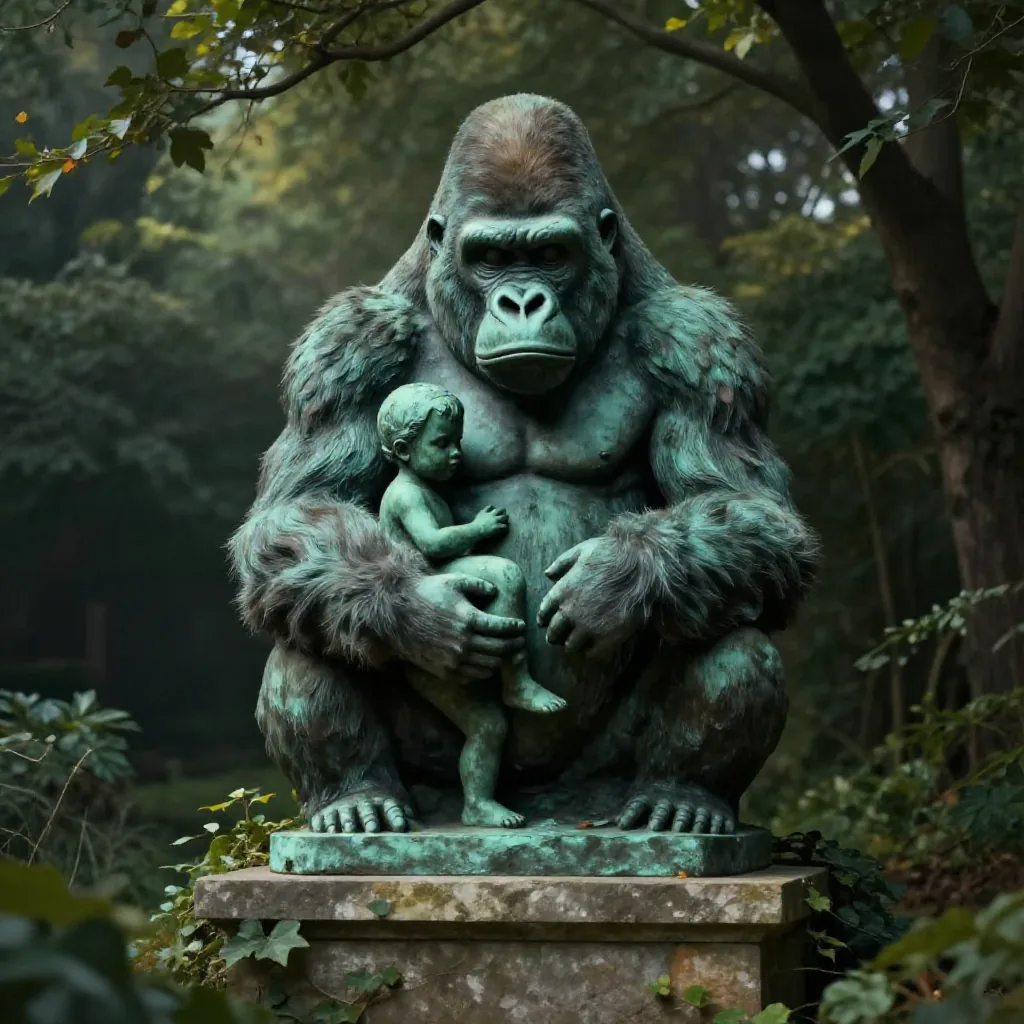
People who remember Binti Jua often go looking for a statue, and the search usually leads to a bronze of a gorilla holding a child. That sculpture is real, but it is not hers. It stands at the Jersey Zoo in the Channel Islands, and it honors Jambo, the gorilla who guarded a fallen boy there in 1986, a decade before the Brookfield rescue. The two stories are so alike that the memorial for one often gets attached to the other.
Binti Jua's recognition took a different shape. It came in awards, in the People magazine feature, and above all in that few seconds of camcorder video that people never quite stopped passing around. Her monument, if she has one, is the footage itself, and the fact that thirty years on, searchers still type her name into a box hoping to watch it again.
Field Notes
- On August 16, 1996, a three-year-old boy climbed a railing at Brookfield Zoo's Tropic World exhibit near Chicago and fell about eighteen feet onto the concrete floor of the gorilla enclosure.
- Binti Jua, a western lowland gorilla then eight years old, was carrying her own seventeen-month-old daughter Koola on her back when she picked up the unconscious boy and carried him to a keeper access door.
- The boy was taken to a hospital with a broken hand and cuts to his head and face, spent several days recovering, and went home; his family asked that his name be kept private.
- A zoo visitor filmed the rescue on a home camcorder, and the footage aired on national news within a day and reached newspapers worldwide within a week.
- Binti Jua had been hand-raised by people, so before Koola was born Brookfield staff taught her to hold and nurse an infant using a plush toy for practice.
- Her name means Daughter of Sunshine in Swahili; she was born in 1988 and Brookfield Zoo has been her home for most of her life. People magazine named her to its 25 Most Intriguing People of 1996.
Support Brookfield Zoo
The Chicago Zoological Society operates Brookfield Zoo and supports conservation research, animal welfare, and community education programs across the region.
Support Brookfield Zoo