The Infant
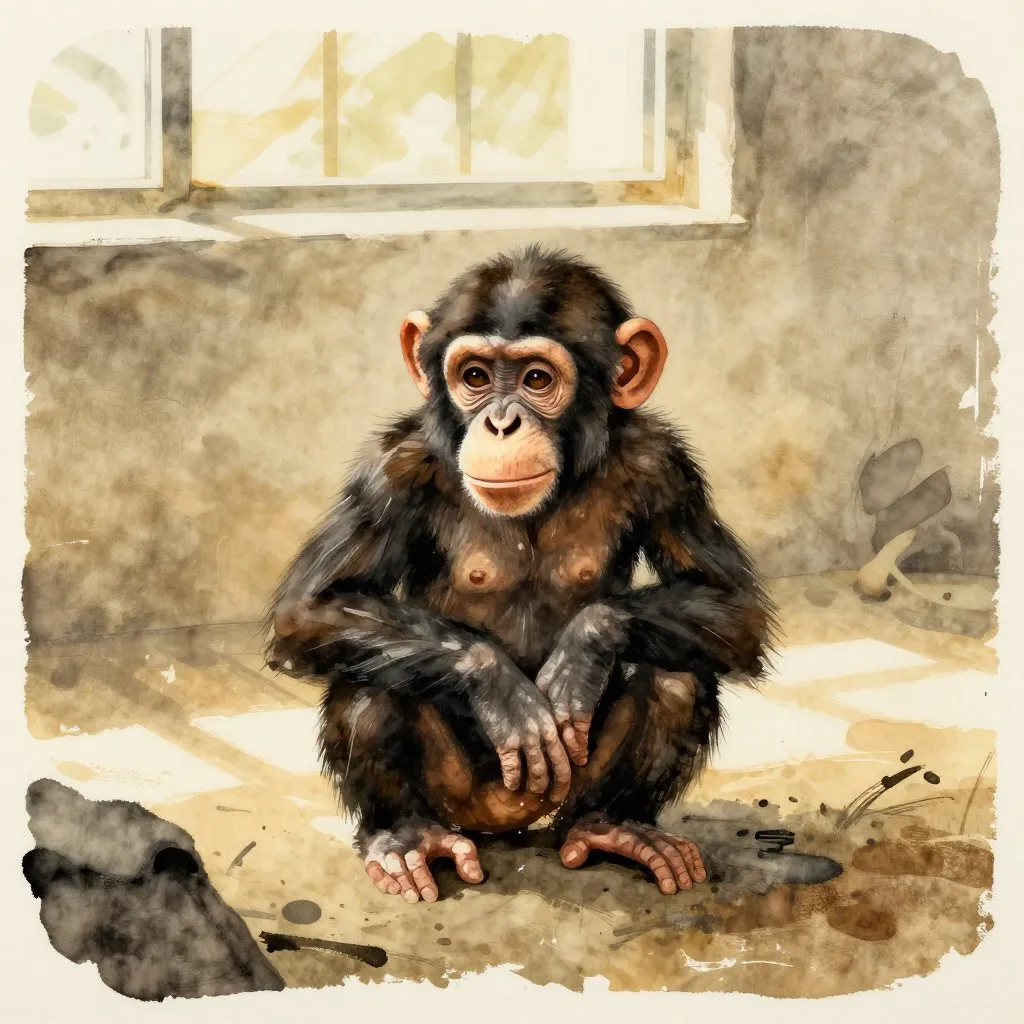
Chimpanzees stay close to their mothers for the first several years of life. They learn by watching. They sleep nested in branches at night, in the forest canopy, with family nearby. Bua Noi did not have that. She arrived at Pata Zoo sometime in the late 1980s, as an infant, origin undocumented.
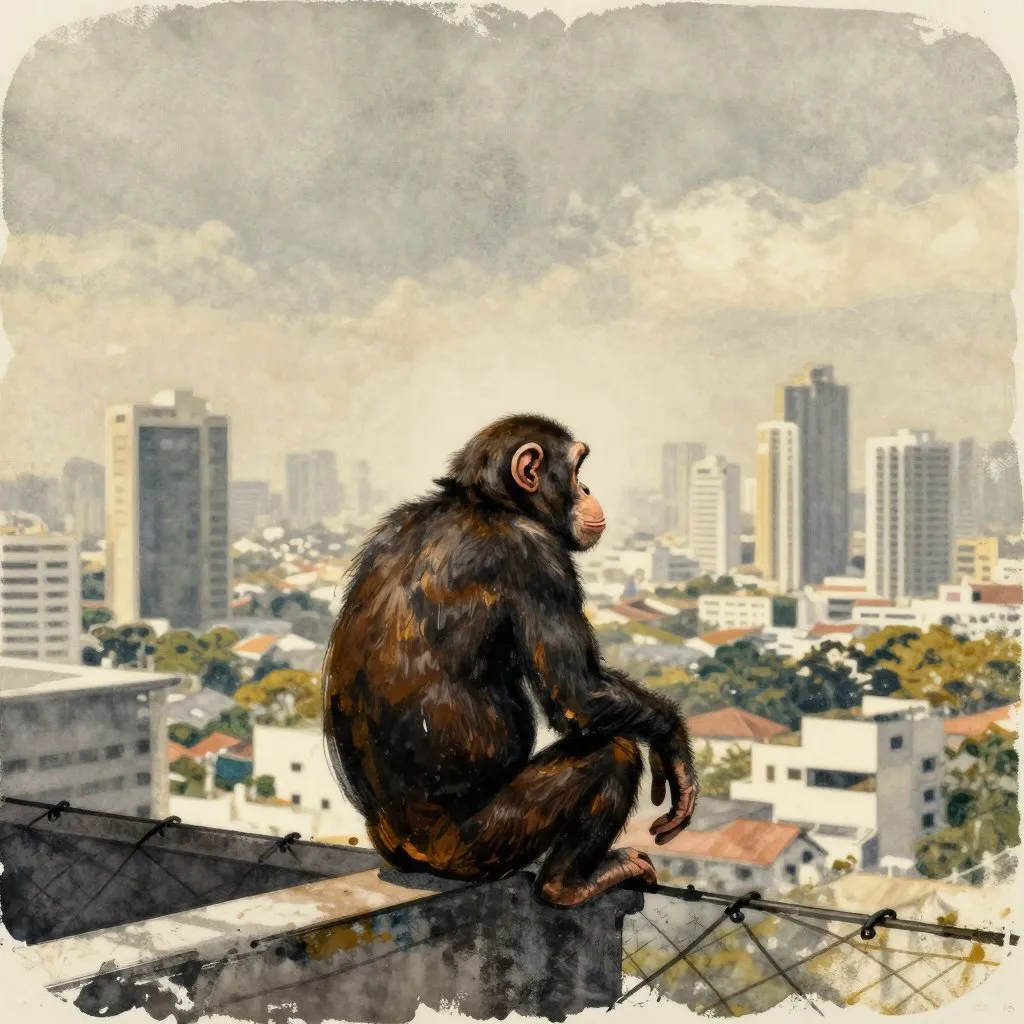
The zoo was on the roof of the Pata Department Store, seven floors above a busy street in Bangkok. It was legal. It was minimally regulated. It was where she would spend the next three decades.
The Roof
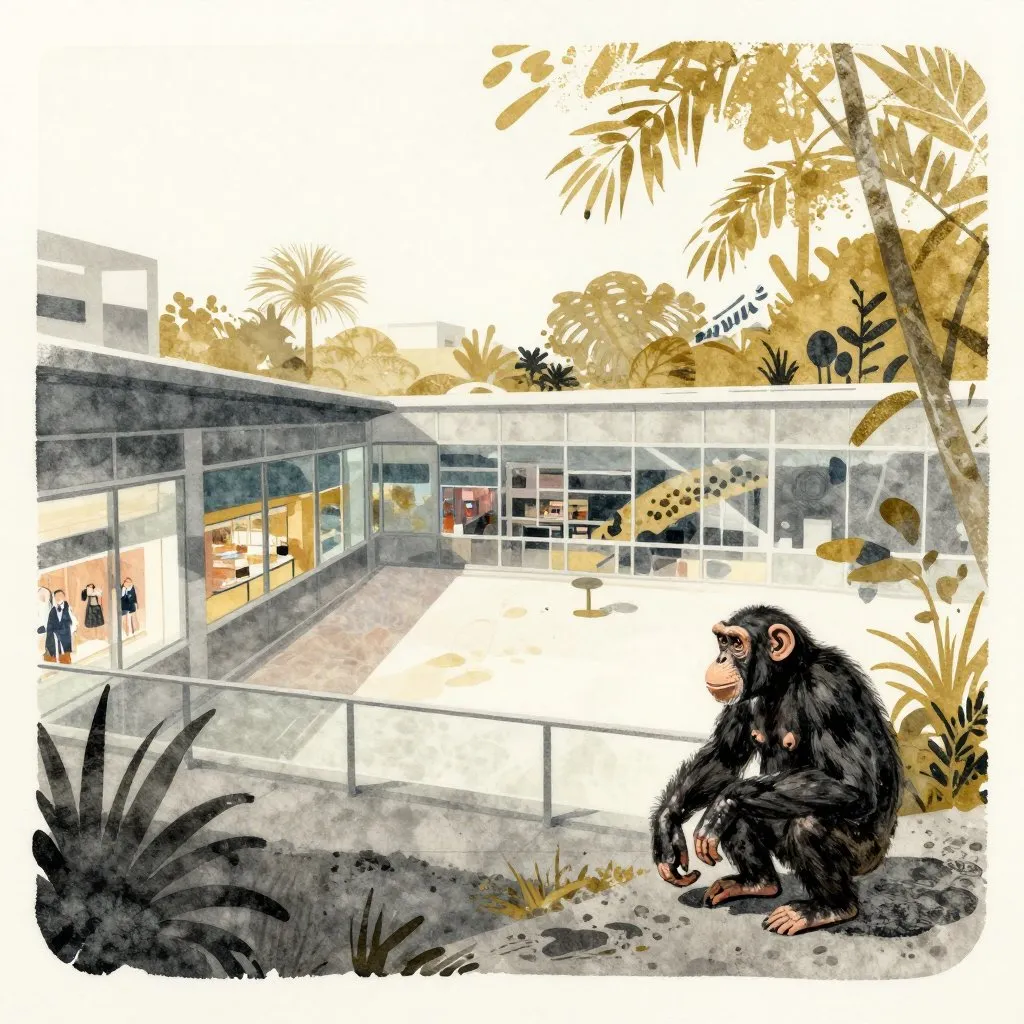
Below her: escalators, clothing racks, food courts, the ordinary business of a Bangkok shopping mall. Above her: open sky, but behind wire. The enclosure gave her walls and a floor and not much else. Chimpanzees in the wild range across miles of forest. They build new nests each night. They live in social groups of up to 150.
Bua Noi lived alone on the seventh floor. Shoppers would sometimes take the elevator to the top level and peer through the wire. She learned to read them the way any caged animal learns to read the people who come and go: as a fixed feature of her world, not part of it.
The Years That Passed
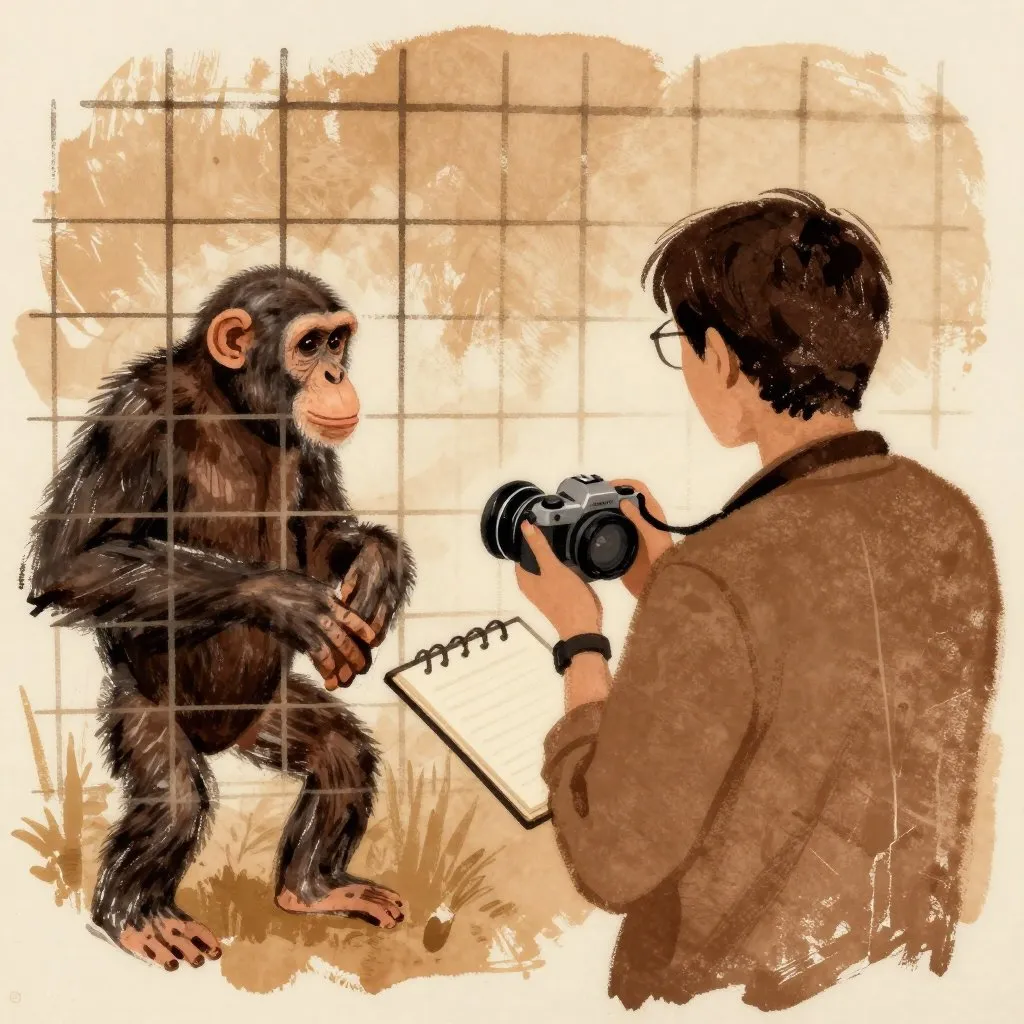
Animal welfare organizations documented her conditions across multiple visits over multiple decades. Reports described limited enrichment, inadequate social contact, an aging enclosure. Her case circulated in international advocacy networks. Petitions were signed. Journalists visited. Photographs of her behind the wire appeared in outlets across Southeast Asia and beyond.
The zoo remained open. The department store remained open. Bua Noi remained on the seventh floor.
The Noise Grows Louder
By the 2010s, her name was known far beyond Thailand. Wildlife organizations named her specifically in reports on captive primate welfare in Southeast Asia. Her situation became a reference point in legislative discussions about animal welfare law in Thailand. The country was developing new frameworks for captive animal protections, and her case was cited repeatedly as evidence that existing regulations were insufficient.
She was famous in the way that trapped things sometimes become famous: not because they did anything, but because the record of what was done to them became impossible to ignore.
The Announcement

In 2021, Pata Zoo announced it would close. International organizations, including those that had documented her situation for years, mobilized to advocate for her transfer to a qualified sanctuary. Negotiations began. Pata Zoo's owner agreed in principle to her rehoming. That was the beginning of a process that has not yet ended.
As of early 2025, Bua Noi had not left the seventh floor. The agreement remained in principle. The transfer had not happened. Advocates continued to push. Bua Noi continued to wait.
Still Waiting
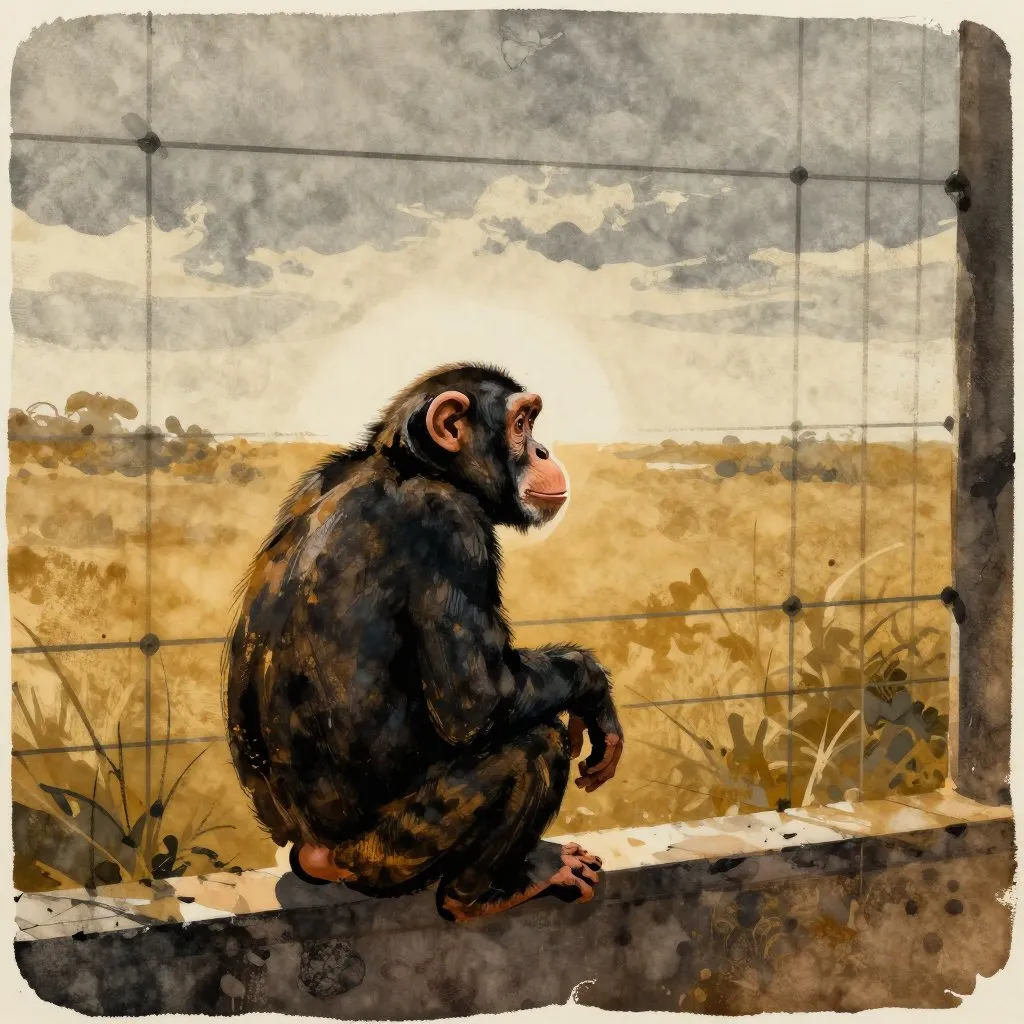
Her story does not end here, because it has not ended. There is no resolution to offer, no reunion to describe, no final image of her in open forest with grass underfoot and trees above. She is in Bangkok, on a rooftop, in a zoo that has been announced as closing for several years now.
She arrived as an infant. She has lived her entire life in that building. The people working to move her are real, and the pressure they have applied has been real, and the agreement that exists is real. None of that has yet become her freedom. That part is still to come, or it isn't. The story is open. She is in it.
Field Notes
- Bua Noi is a chimpanzee who has spent more than 30 years confined to Pata Zoo, located on the rooftop of the Pata Department Store in Bangkok, Thailand. She arrived as an infant in the late 1980s.
- Pata Zoo was legal but operated under minimal regulation for most of its existence. Animal welfare organizations documented Bua Noi's conditions over multiple decades, making her one of the most prominent captive animal welfare cases in Southeast Asia.
- Her case was cited in legislative discussions around captive animal welfare reform in Thailand and helped accelerate changes to the country's regulatory framework for captive animals.
- In 2021, Pata Zoo announced it would close. Pata Zoo's owner agreed in principle to Bua Noi's transfer to a qualified sanctuary following sustained international advocacy.
- As of early 2025, negotiations for her transfer to a sanctuary were ongoing. Bua Noi had not been relocated. Her situation remained unresolved.
Support Save the Chimps
Save the Chimps operates one of the largest chimpanzee sanctuaries in the world, providing lifetime care to chimpanzees rescued from research laboratories, the entertainment industry, and illegal wildlife trade.
Support Save the Chimps