The Worst Morning
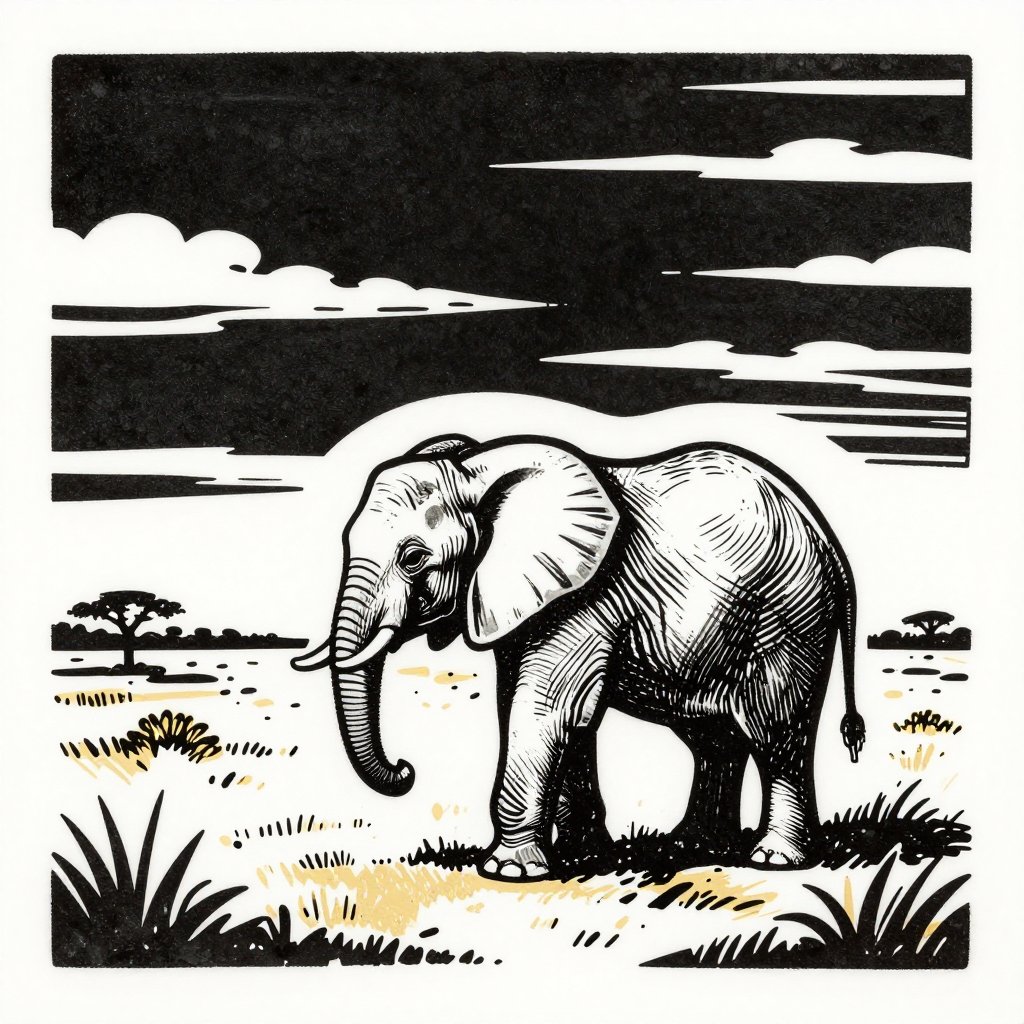
The people who found Gertjie found him the worst possible way. He was six months old and standing beside his mother's body in the South African bush. She had been killed by poachers. He was crying, the way elephant calves cry, a sound that carries.
He had been there long enough that he was exhausted and frightened and completely alone. They brought him to the Hoedspruit Endangered Species Centre, where people knew how to care for animals like him.
The Problem of Grief
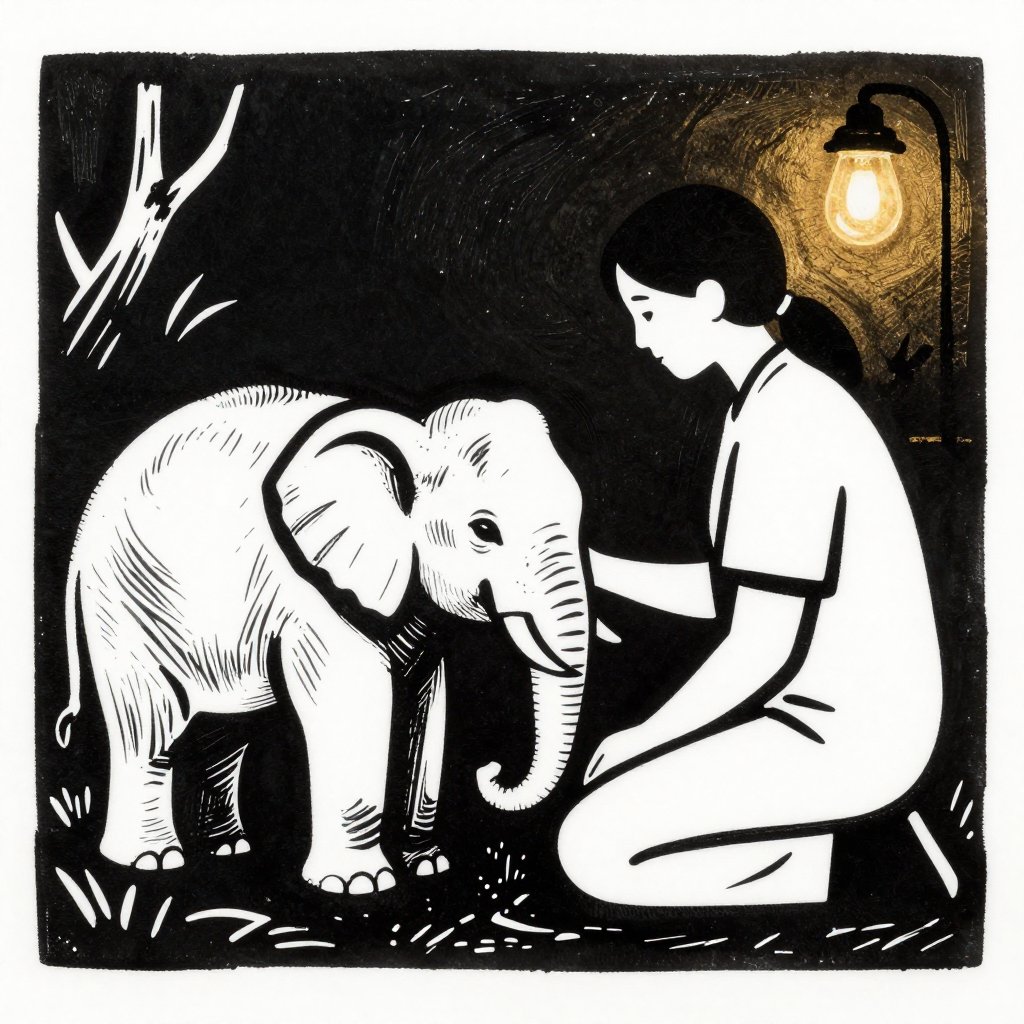
Elephants grieve. This is not a metaphor. When an elephant loses its mother, the loss is physical and behavioral and real. Young calves are particularly fragile. They need contact. They need warmth. They need something alive beside them.
The staff at Hoedspruit knew this. They could provide food and care and attention. What they needed was a companion.
Skaap
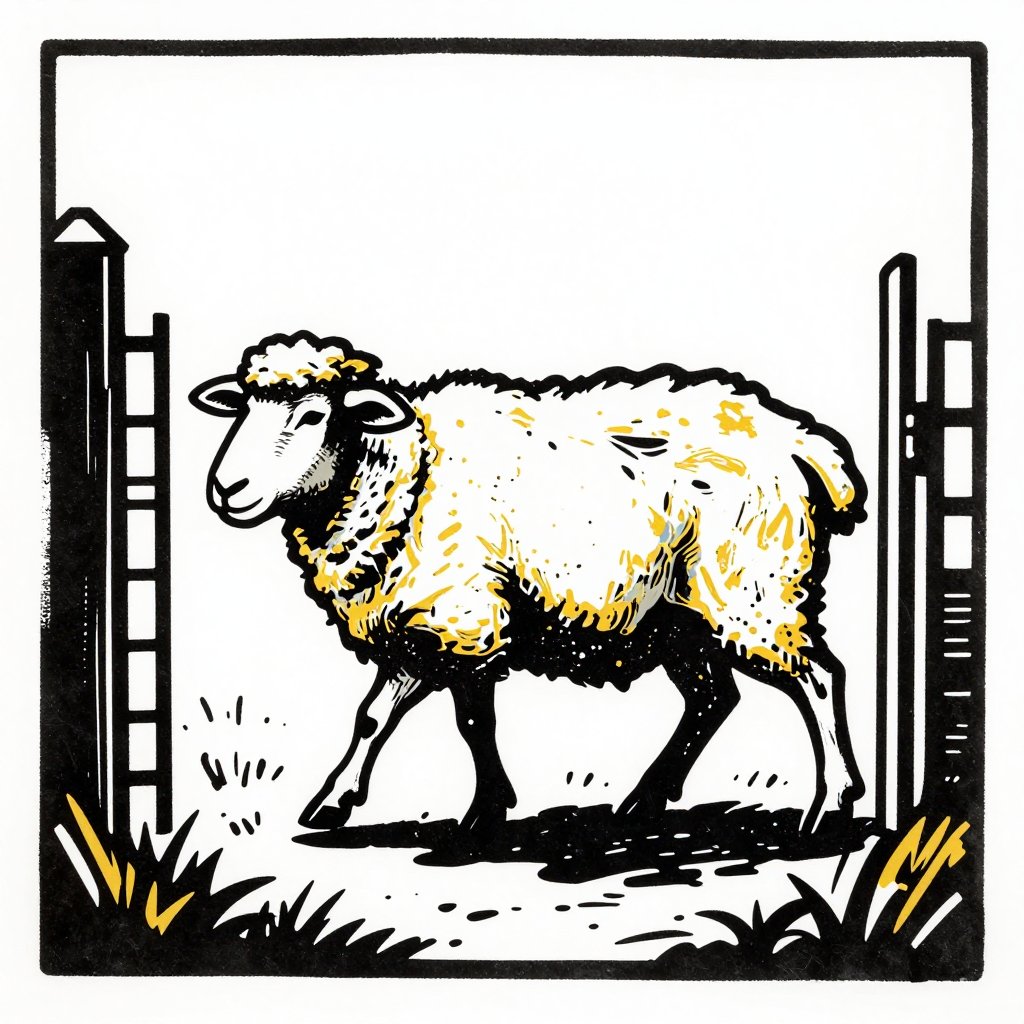
Skaap is the Afrikaans word for sheep. The sheep who came to live with Gertjie was named for what he was, plainly and simply, the way Afrikaans names sometimes work.
Skaap was not a large animal. He was not an impressive animal by conventional measures. He was a sheep, and he walked into the space where the baby elephant lived, and he did not leave.
The Trunk
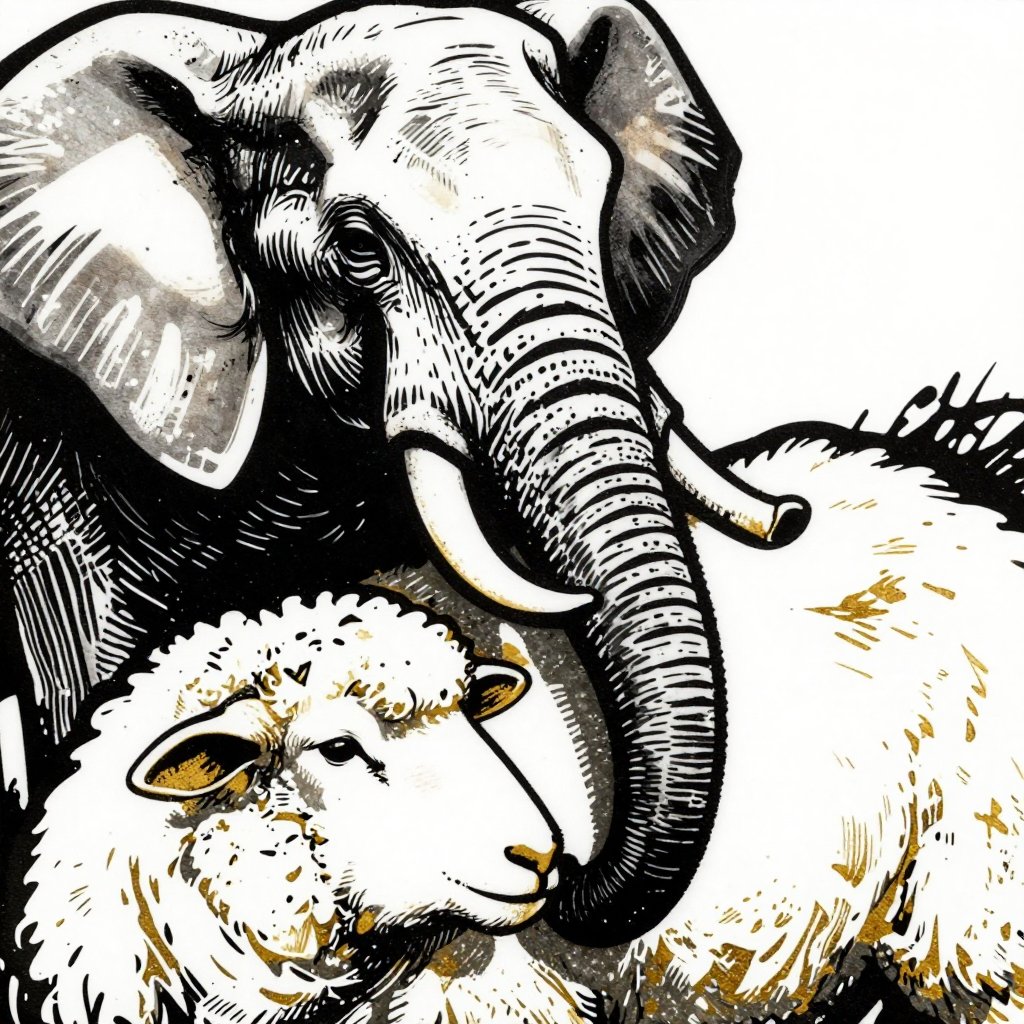
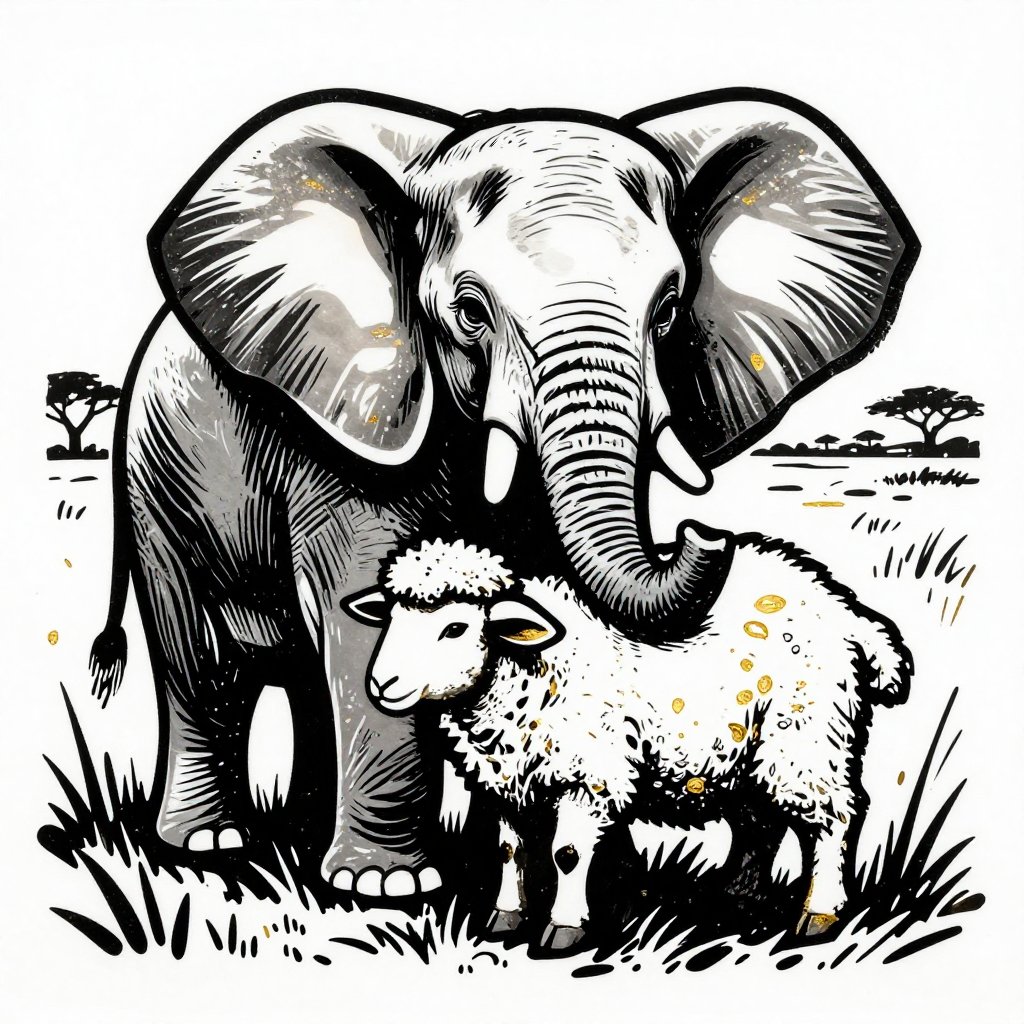
The thing people remember about Gertjie and Skaap is the trunk. Gertjie rested his trunk on Skaap. Not occasionally. Often. The way a child leans against a parent, or the way someone reaches for a hand in a dark room.
Skaap stood for it every time. He did not move away. He grazed and stood and stayed, and Gertjie rested his trunk on him, and that was enough.
Everywhere
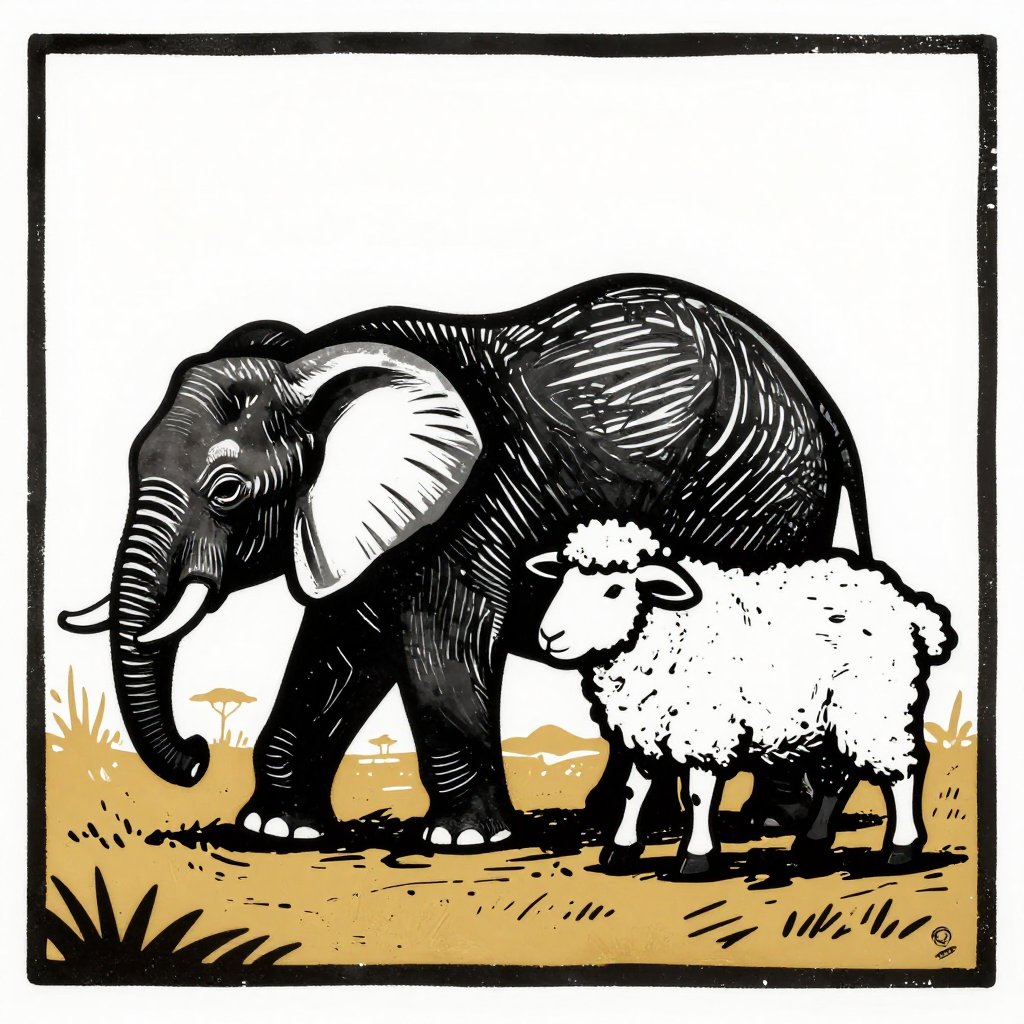
They were inseparable in the way that only makes sense when you watch it. Skaap followed Gertjie through the enclosure. Gertjie followed Skaap. If Gertjie moved, Skaap moved. If Skaap wandered, Gertjie wandered after him.
The staff took photographs and videos because it was the kind of thing that needed to be documented, not because anyone would doubt it, but because it was too good not to keep.
What Skaap Understood
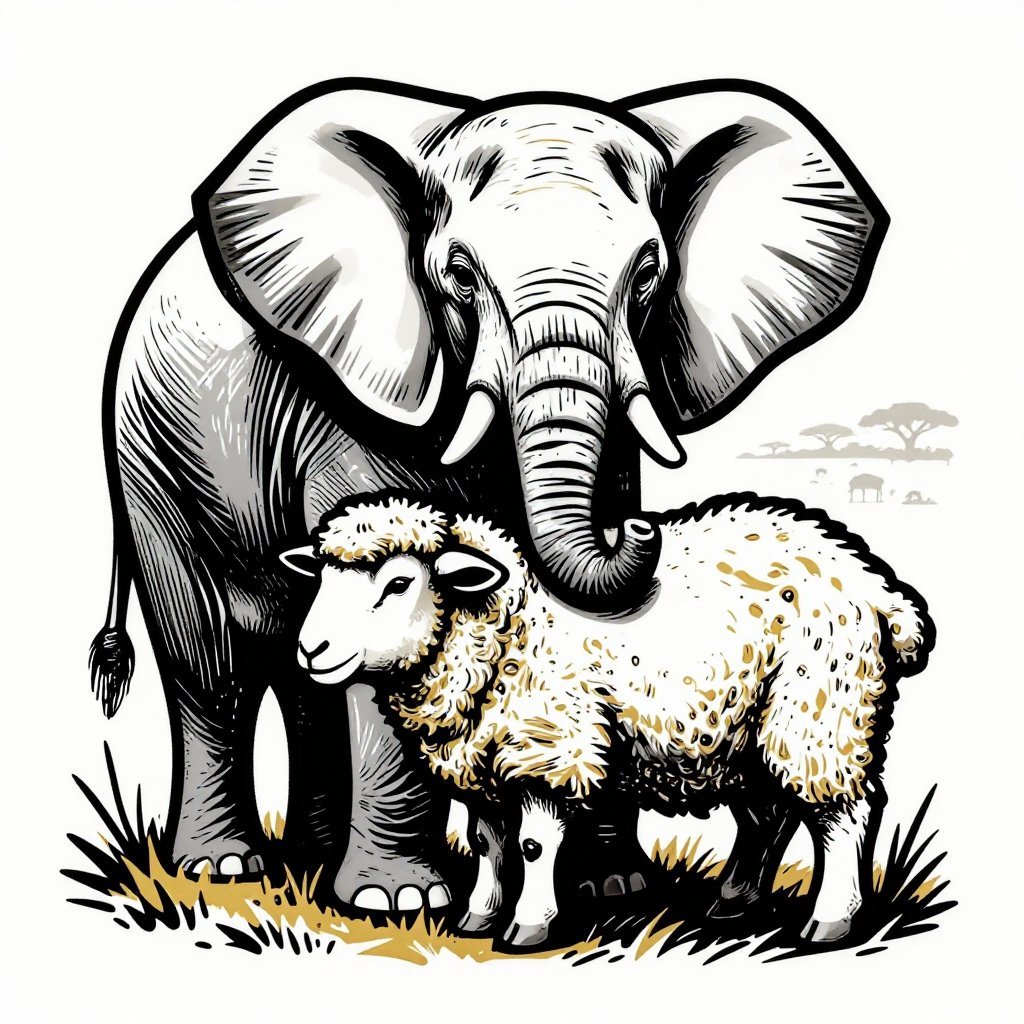
Nobody taught Skaap what to do. No one told him to stay close to the elephant, to let the trunk rest on his back, to follow when Gertjie followed and stay when Gertjie needed stillness. He simply did it.
Animals sometimes understand loneliness better than they're given credit for. Skaap saw a baby elephant who had lost everything, and he offered what he had. Himself. His presence. His willingness to stay. It turned out that was exactly what was needed.
Field Notes
- Gertjie was found in South Africa at six months old, crying beside the body of his mother, who had been killed by poachers. He was taken to Hoedspruit Endangered Species Centre.
- "Gertjie" is an Afrikaans diminutive, and "Skaap" is the Afrikaans word for sheep.
- Skaap became Gertjie's constant companion at the rescue center. The two were described as inseparable from their first days together.
- One of the most documented behaviors was Gertjie resting his trunk on Skaap's back, a gesture of comfort that Skaap consistently accepted.
- Gertjie's story drew international attention to the consequences of elephant poaching and the role of surrogate relationships in wildlife rehabilitation.
Support Hoedspruit Endangered Species Centre
The Hoedspruit Endangered Species Centre in South Africa rehabilitates and breeds endangered wildlife, giving animals like Gertjie a second chance at life.
Support Hoedspruit Endangered Species Centre