December, Berlin
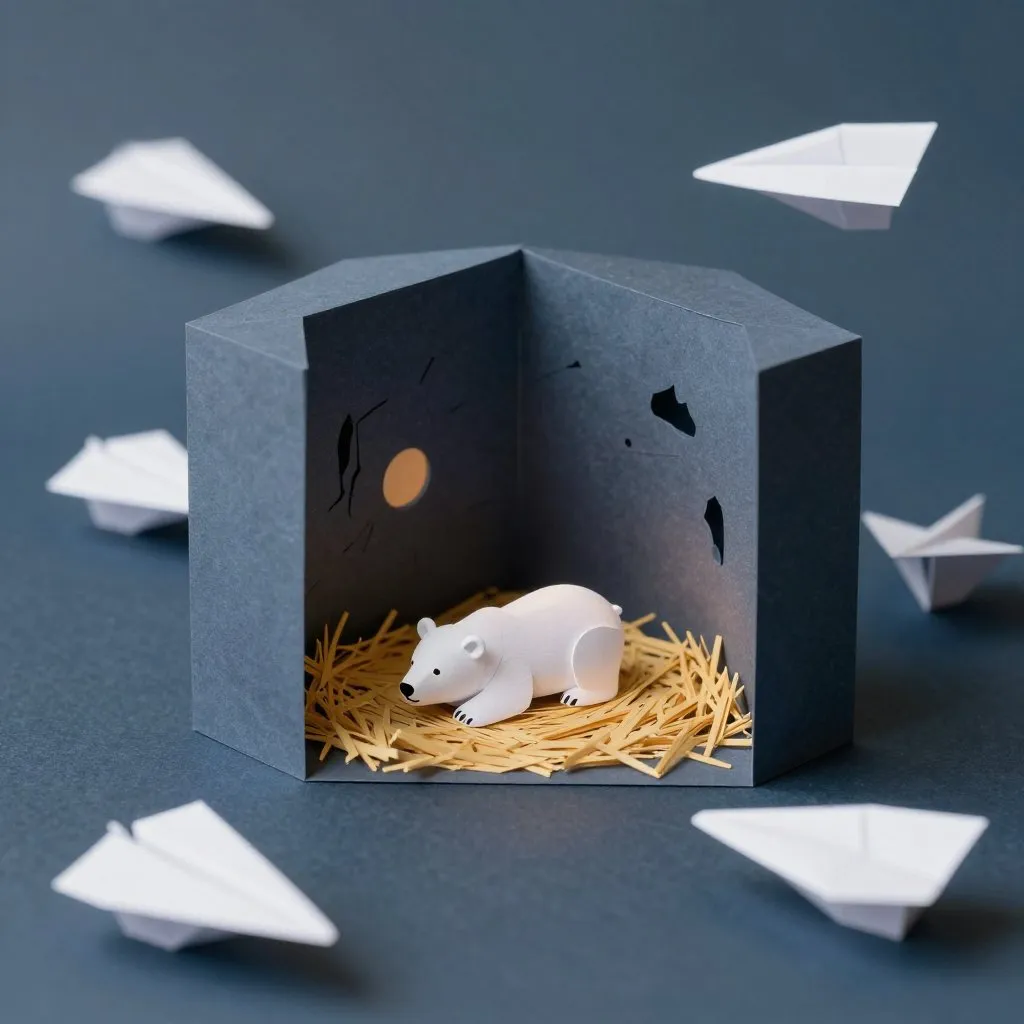
Knut was born on December 5, 2006, in a den at Berlin Zoo. He and his twin brother arrived in the night, small and white and barely formed, blind and toothless and no bigger than guinea pigs. Their mother, Tosca, a bear who had once performed in a circus ring, walked away from them and did not come back.
The twin lived only a few days. Knut was alone, and a cub that age cannot keep itself warm, cannot feed itself, cannot last a night without a body next to it. On the ledger of how these things usually go, he was already gone.
The Keeper Who Stayed
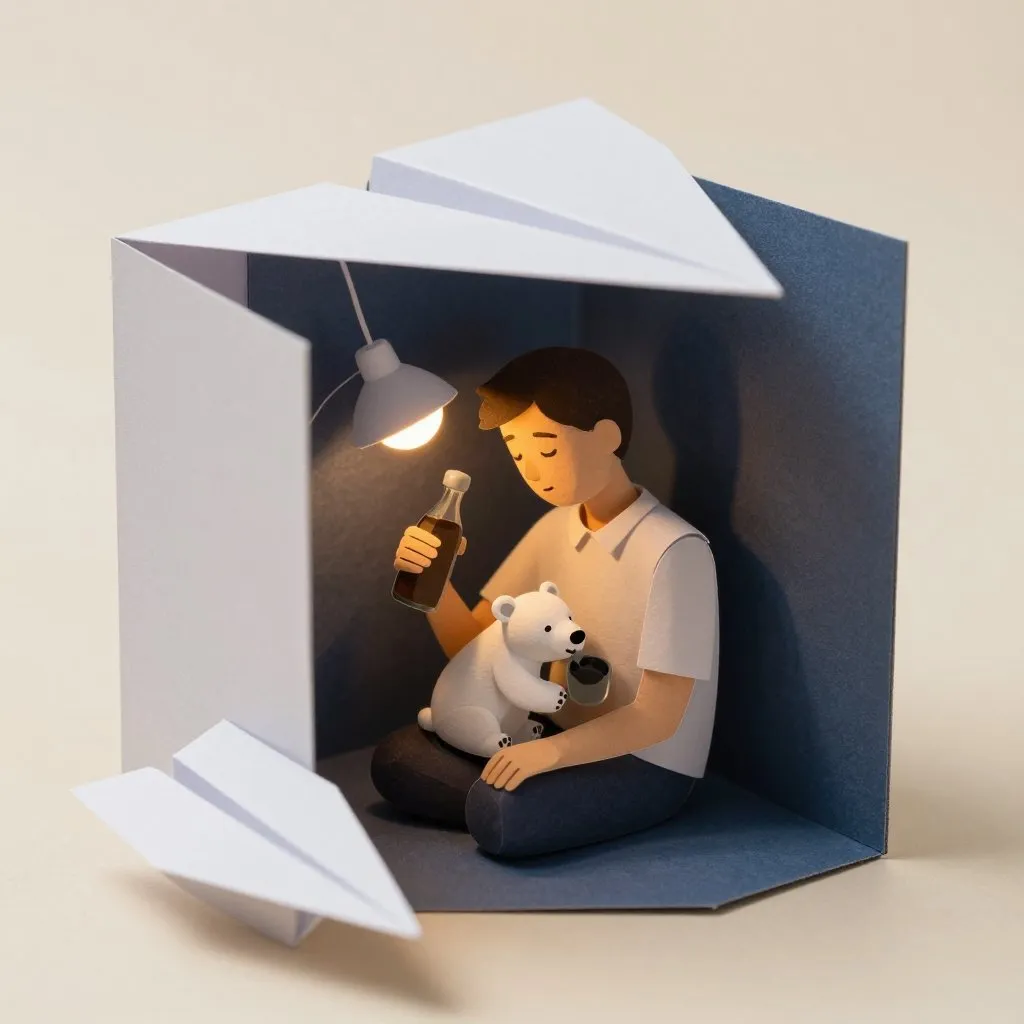
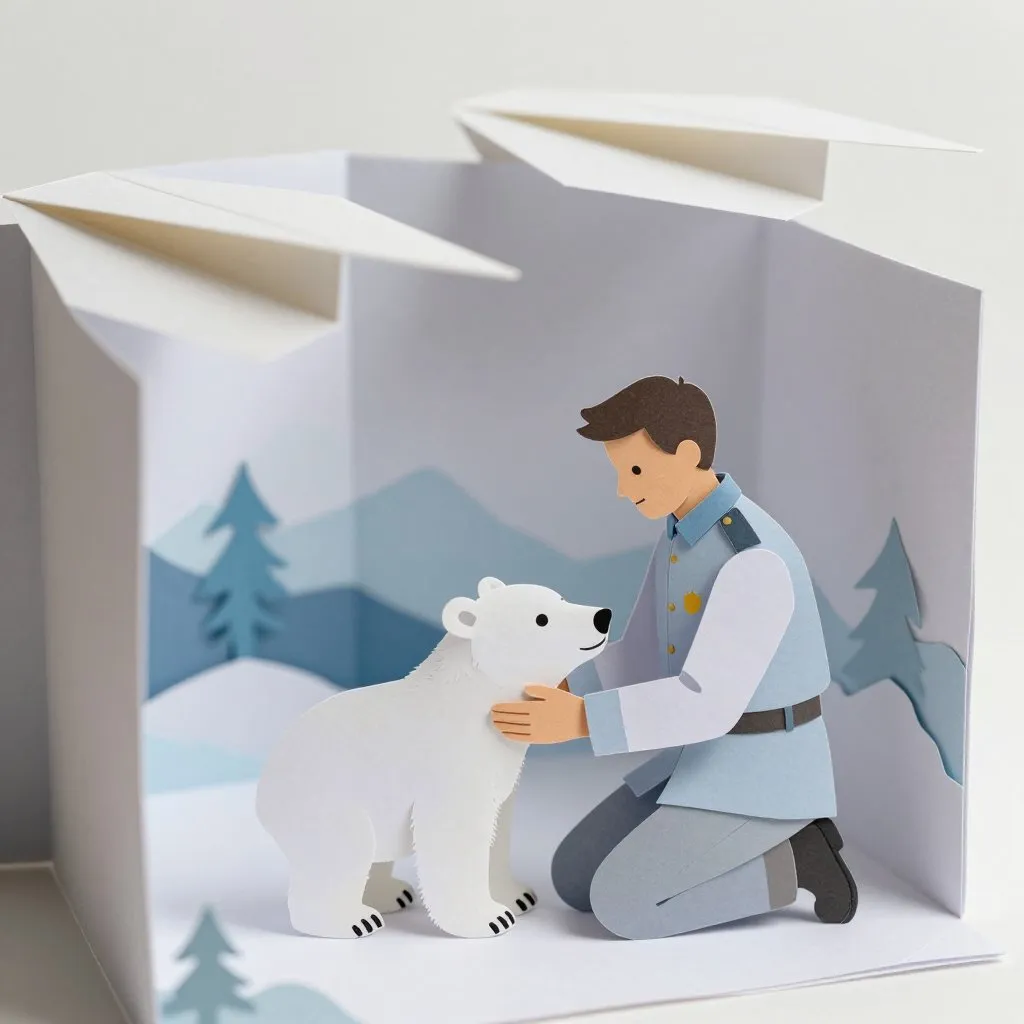
A zookeeper named Thomas Dorflein took the job of keeping the cub alive, and it was not a job with hours. He set up a warm box, mixed a formula laced with cod liver oil, and started a schedule that ran every two hours and did not stop for the night. A bottle. A blanket. A voice that was there when the cub woke, and there again two hours later. On the nights Knut would not settle, Dorflein sat by the crate and strummed a guitar until the cub gave up and slept.
Polar bear cubs nurse for more than two years in the wild, pressed against their mothers through the long dark of a denning winter. Dorflein was standing in for all of it. He slept beside the crate in the early weeks so that Knut would never wake to an empty room. What a mother would have given by instinct, one man gave on a stopwatch, month after month.
The Bear Who Grew Up Famous
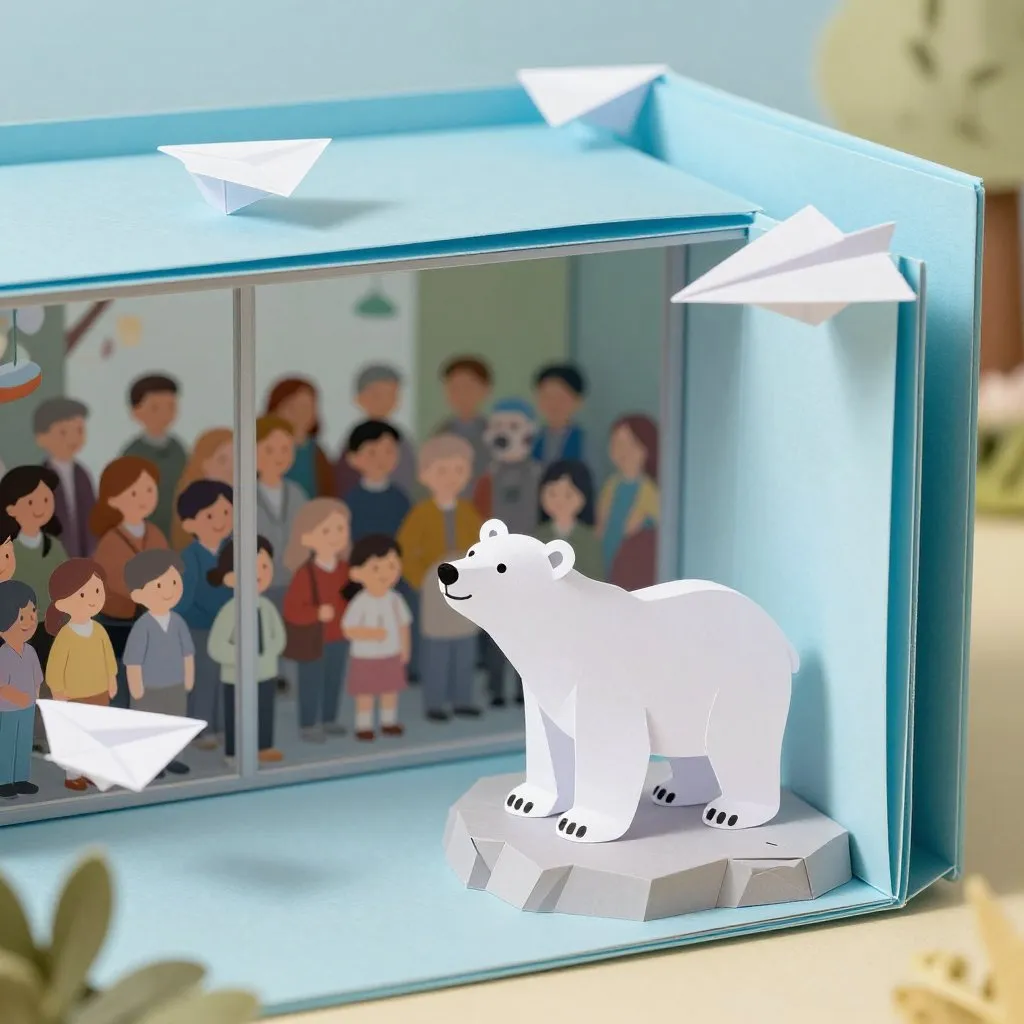
In March 2007, Knut was introduced to the public, and something happened that nobody had planned for. The crowds that came to Berlin Zoo that spring broke the gate records. People stood in lines that stretched across the grounds, cameras up, waiting for a look at the white cub who had lived when he was not supposed to. Visitor numbers surged and the zoo's revenue climbed with them; a rescued cub had become the most valuable animal on the grounds.
The story left Berlin fast. That spring Knut appeared in Vanity Fair's Green Issue, photographed by Annie Leibovitz alongside Leonardo DiCaprio, a cub and a movie star standing in for a thing the world was still learning how to say out loud. Melting ice. Shrinking habitat. Polar bears as the face of what was being lost. Knut sold toys and stamps and postcards. He did not know he was a symbol. He knew the man who fed him.
The Bond Between Them
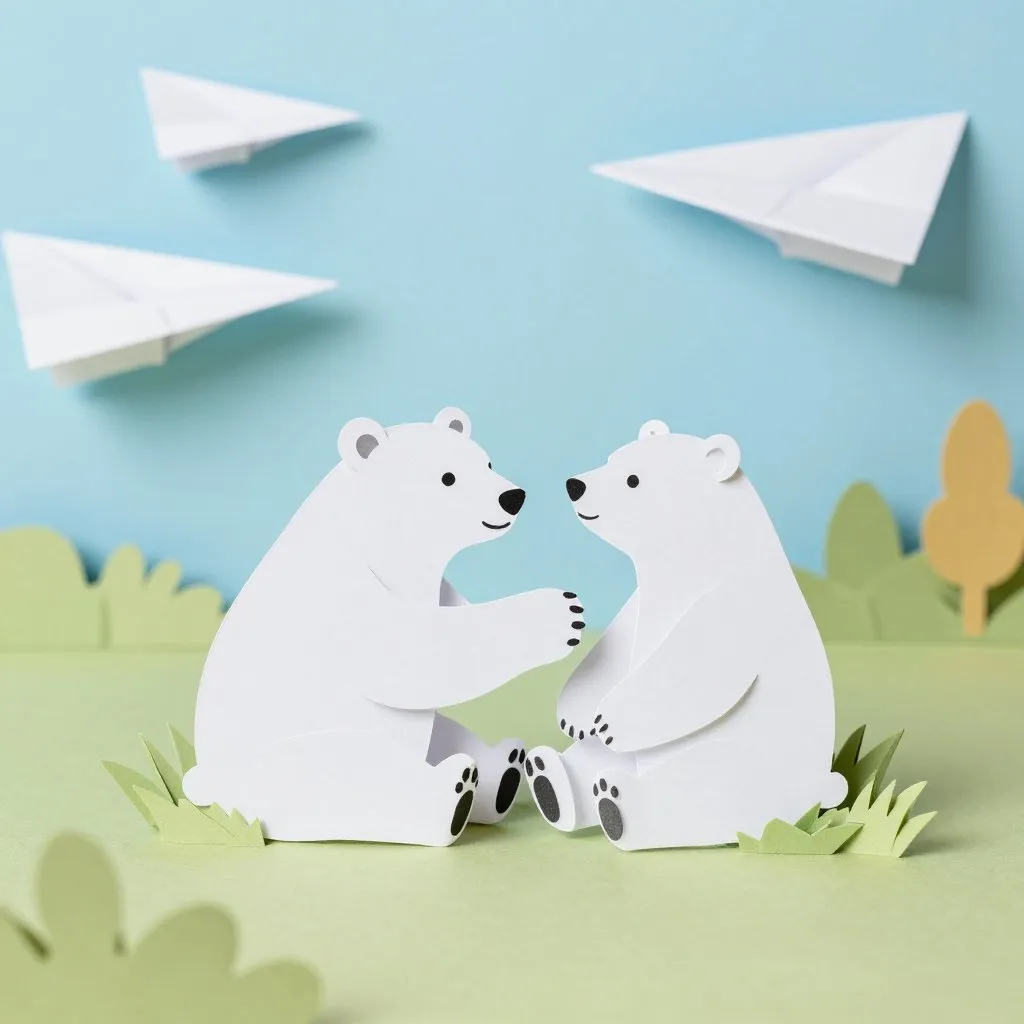
Dorflein and Knut had something that did not fit a caption. The keeper wrestled with the cub on the grass, fed him by hand, sat with him in the enclosure while the cameras rolled. He was the first and steadiest thing in the bear's world, because Knut had no other reference point for what safety felt like.
Not everyone thought it was right. An animal rights activist argued in the press that a wild cub rejected by its mother should have been left to die rather than raised this human, and the claim set off a public argument that ran for weeks. Others warned that a hand-reared bear grows up dependent and confused, belonging fully to neither world. As Knut grew heavier and stronger, the zoo pulled Dorflein back from the daily contact for safety's sake, and the public play sessions ended. The keeper did not argue the point in the press. He just kept turning up for work.
The Keeper Who Left First
On September 22, 2008, Thomas Dorflein died of a heart attack. He was forty-four. It was sudden, with no warning, and Berlin mourned him the way a city mourns someone it felt it knew, because so many people had watched him raise the bear on the news every night.
Knut was not yet two years old. He went on living at the zoo, and people went on coming to see him. But the person who had built his first world, the one who had been there before food, before crowds, before any of it, was gone, and a bear has no way to be told why.
What They Both Came to Mean
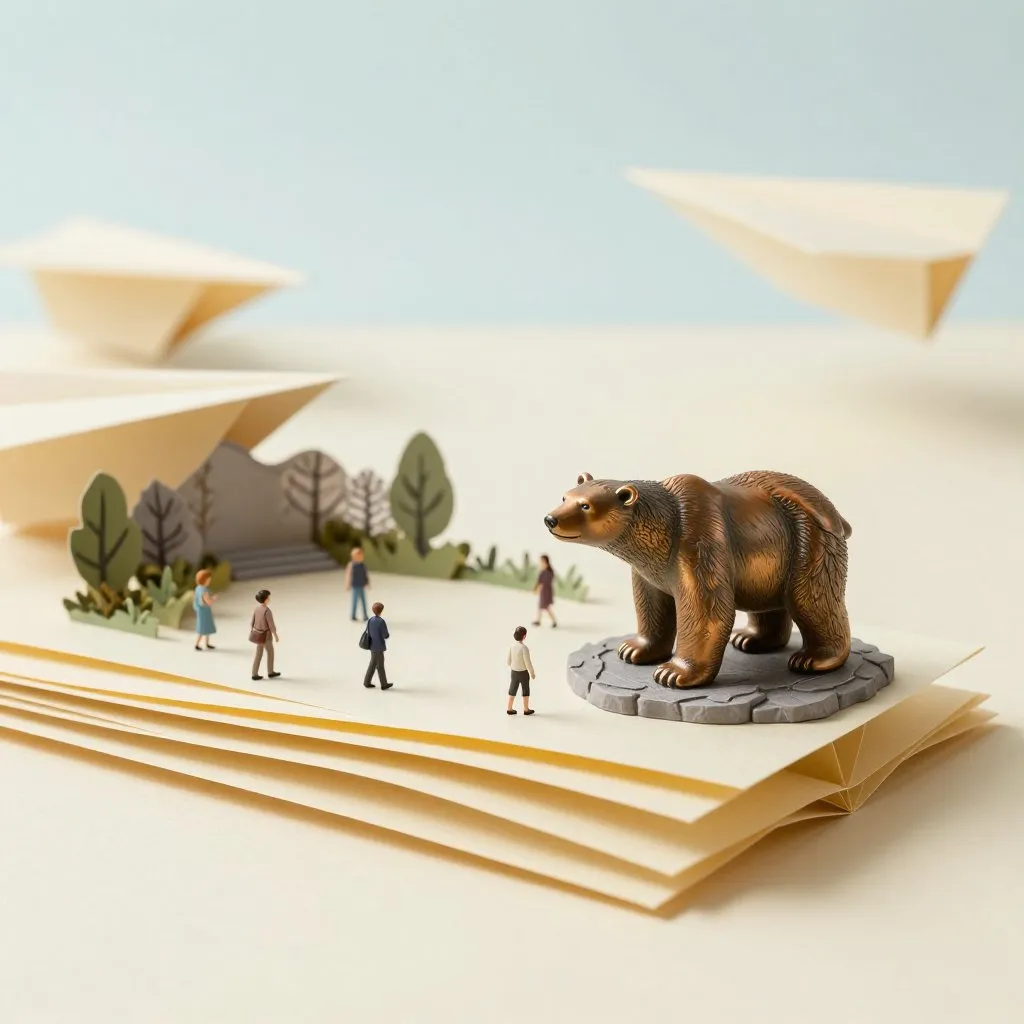
Knut died on March 19, 2011, at four years old. He was near the water in his enclosure when he had a seizure, and he collapsed into the pool and drowned as visitors watched. It was over in moments, and no one nearby could reach him in time.
Berlin held a public memorial. Flowers piled up at the enclosure. In 2013 a bronze statue named Knut the Dreamer was placed at the zoo. Knut had been a lot of things by the end: a rescued cub, a media sensation, a poster animal for a warming planet. But before any of that he had been one cold December night and one person who decided not to leave. That is where the story starts, and where it keeps coming back to.
The Answer Came Later
For a while, the how of Knut's death sat unfinished. The seizure and the drowning were plain enough, but what had triggered the seizure was not. His brain showed inflammation, an encephalitis, and the usual suspects, a virus or a bacterial infection, did not fully explain it.
The answer came in 2015. Researchers at the Leibniz Institute for Zoo and Wildlife Research studied his case and found that Knut's own immune system had turned on his brain, producing antibodies against the NMDA receptor. In humans, anti-NMDA receptor encephalitis is a known and treatable condition. In Knut it was the first case ever documented in a non-human animal, which meant his death quietly taught medicine something. The bear who had stood for a warming world ended up in the veterinary literature for a different reason, and the cub nobody expected to survive left behind a fact that had never been written down before.
What Stayed Behind
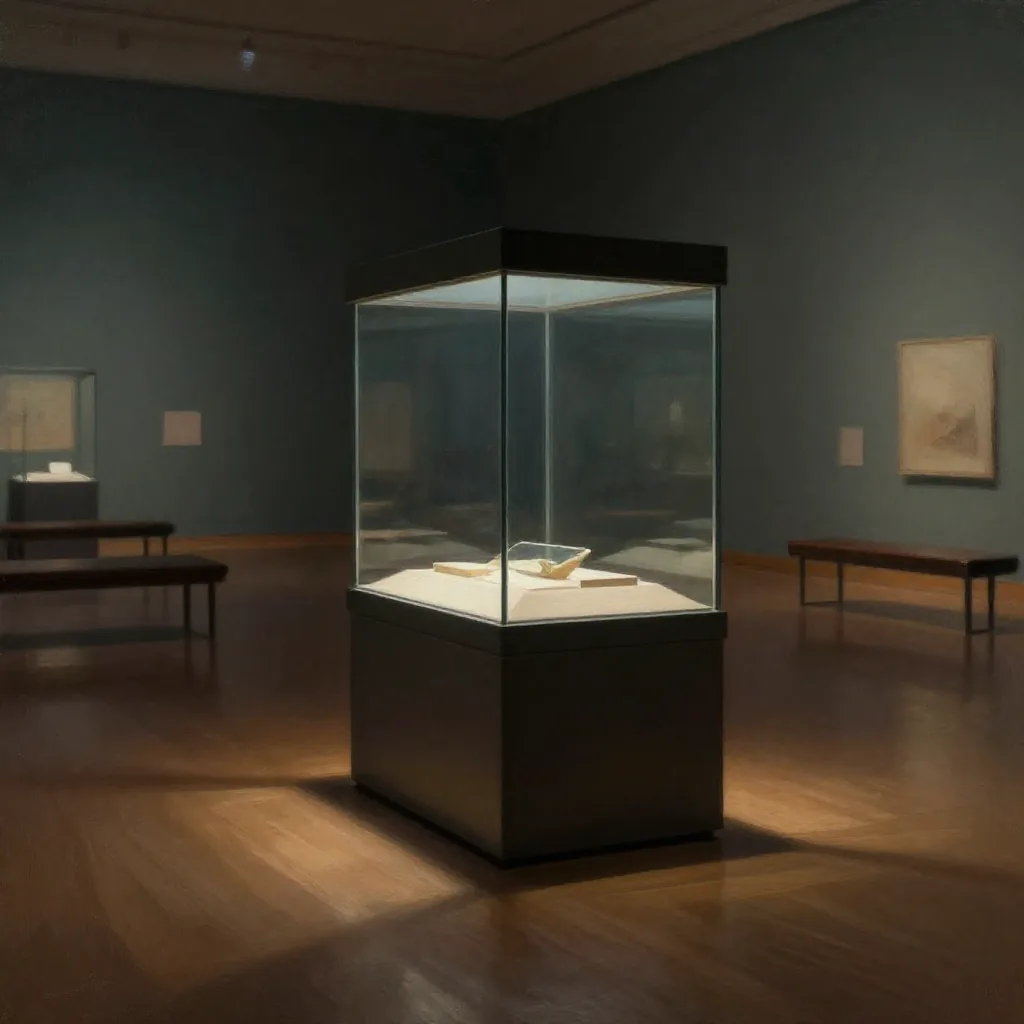
Knut did not vanish when he died. In 2013 the Natural History Museum in Berlin, the Museum fur Naturkunde, unveiled a preserved model built from his own hide, a life-sized Knut standing as he had in the enclosure, one paw slightly raised. It was never meant as a trophy. It was a way for a city that had watched him grow to keep him where people could still stand in front of him.
Years on, the name still lands. Search for a polar bear called Knut and you find the cub in the straw, the keeper with the bottle, the crowds in spring, the seizure at the water, and the paper that came four years too late to help him. It is a short life told in a handful of true facts, and every one of them is the kind a person keeps. He was here for four winters. A lot of animals live longer and are forgotten faster.
Field Notes
- Knut was born at Berlin Zoo on December 5, 2006. His mother, Tosca, a former performing bear, rejected him and his twin at birth, and the twin died within the first days.
- Zookeeper Thomas Dorflein hand-raised Knut, bottle-feeding him roughly every two hours around the clock and sleeping beside his crate in the early weeks.
- Knut made his public debut in March 2007 and drew record crowds. That spring he appeared in Vanity Fair's Green Issue, photographed by Annie Leibovitz and tied to Leonardo DiCaprio and climate awareness.
- Thomas Dorflein died of a heart attack on September 22, 2008, at age forty-four. Knut was not yet two years old.
- Knut died on March 19, 2011, at age four. He had a seizure at the edge of his pool, collapsed into the water, and drowned as visitors watched.
- A 2015 study by the Leibniz Institute for Zoo and Wildlife Research identified the cause as anti-NMDA receptor encephalitis, the first case ever documented in a non-human animal. A bronze statue, Knut the Dreamer, was placed at Berlin Zoo in 2013.
Support World Wildlife Fund
The World Wildlife Fund works to protect polar bear habitat and address the climate changes that threaten Arctic sea ice, the foundation of polar bear survival.
Support World Wildlife Fund