The Wave
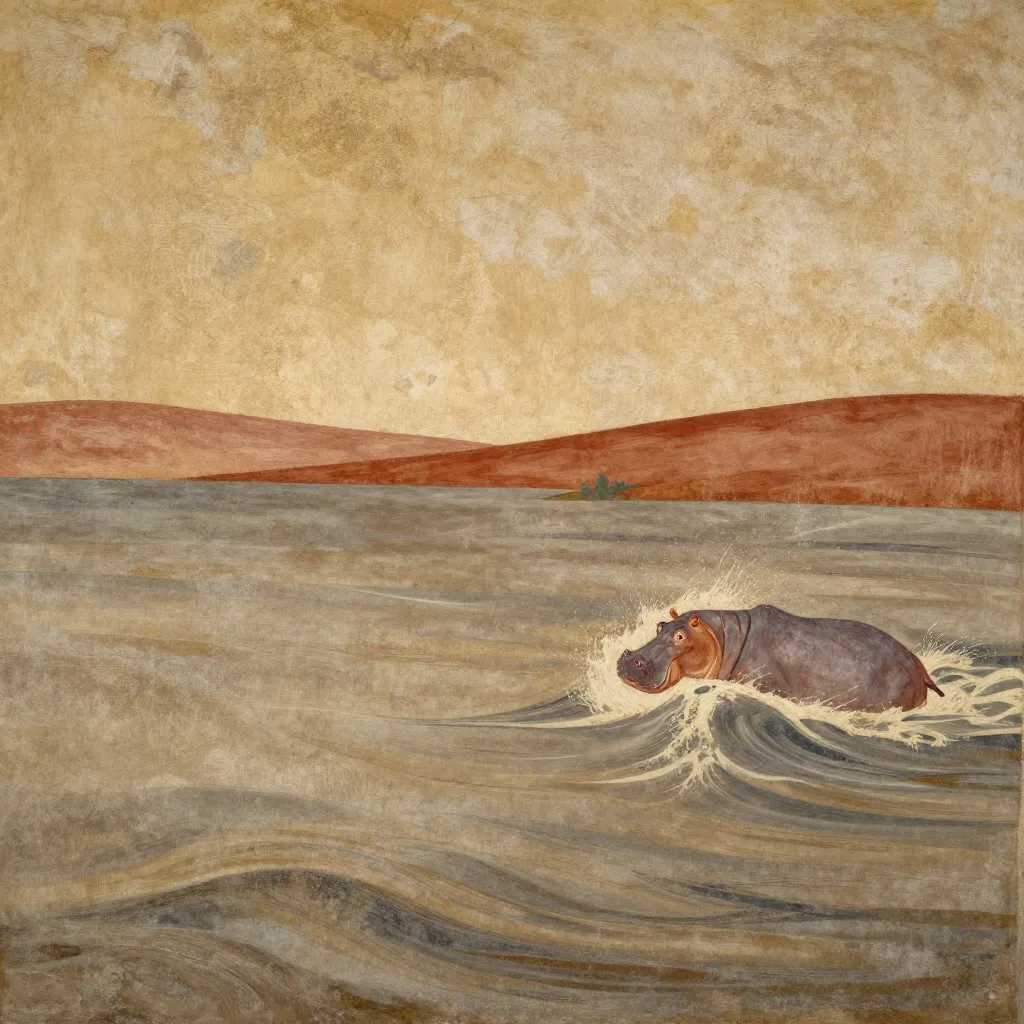
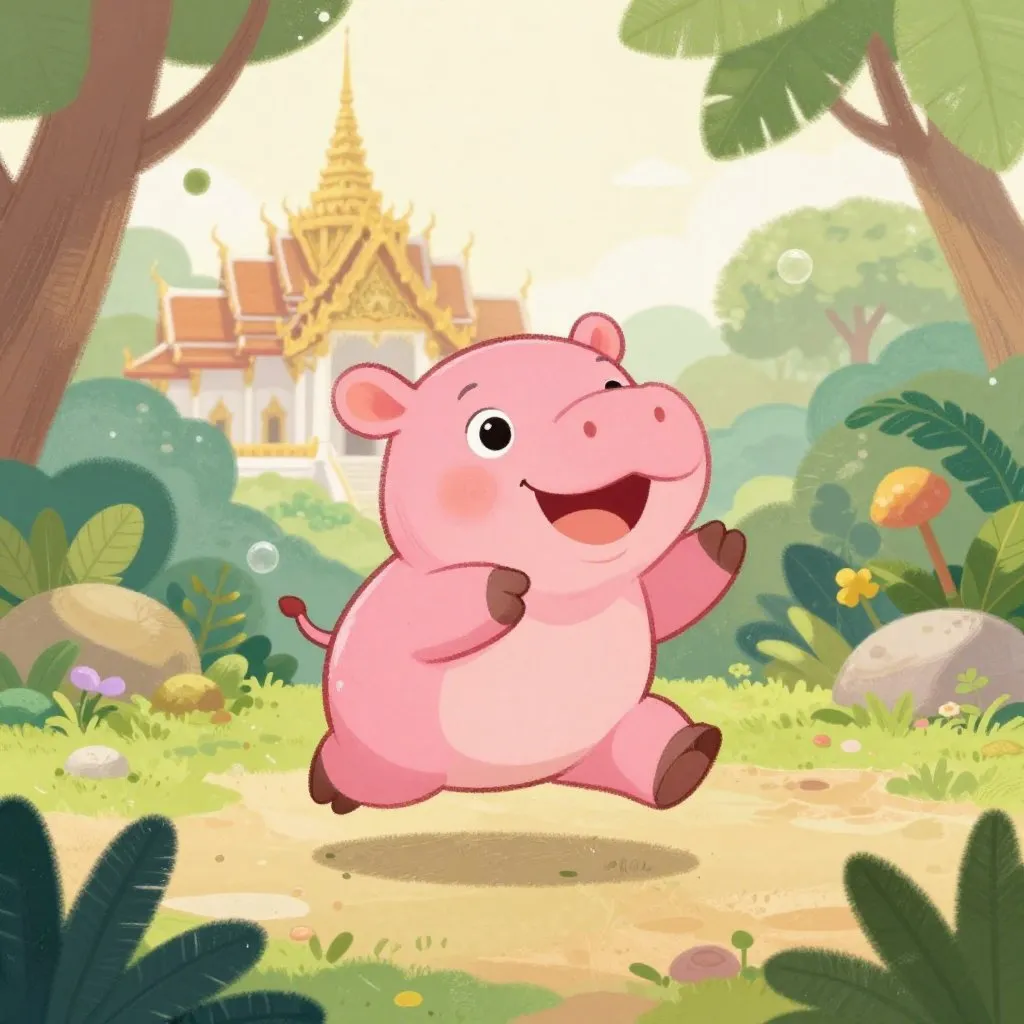
On December 26, 2004, a wall of water came in from the Indian Ocean and did not stop. It crossed the coastline of Kenya and kept moving, carrying everything with it: boats, trees, vehicles, animals. A young hippopotamus, about 14 months old and already 650 pounds, was pulled inland and separated from his pod.
When the water finally receded, he was alone. He was in a place he did not recognize. Everything he had known was somewhere he could not reach.
Captured
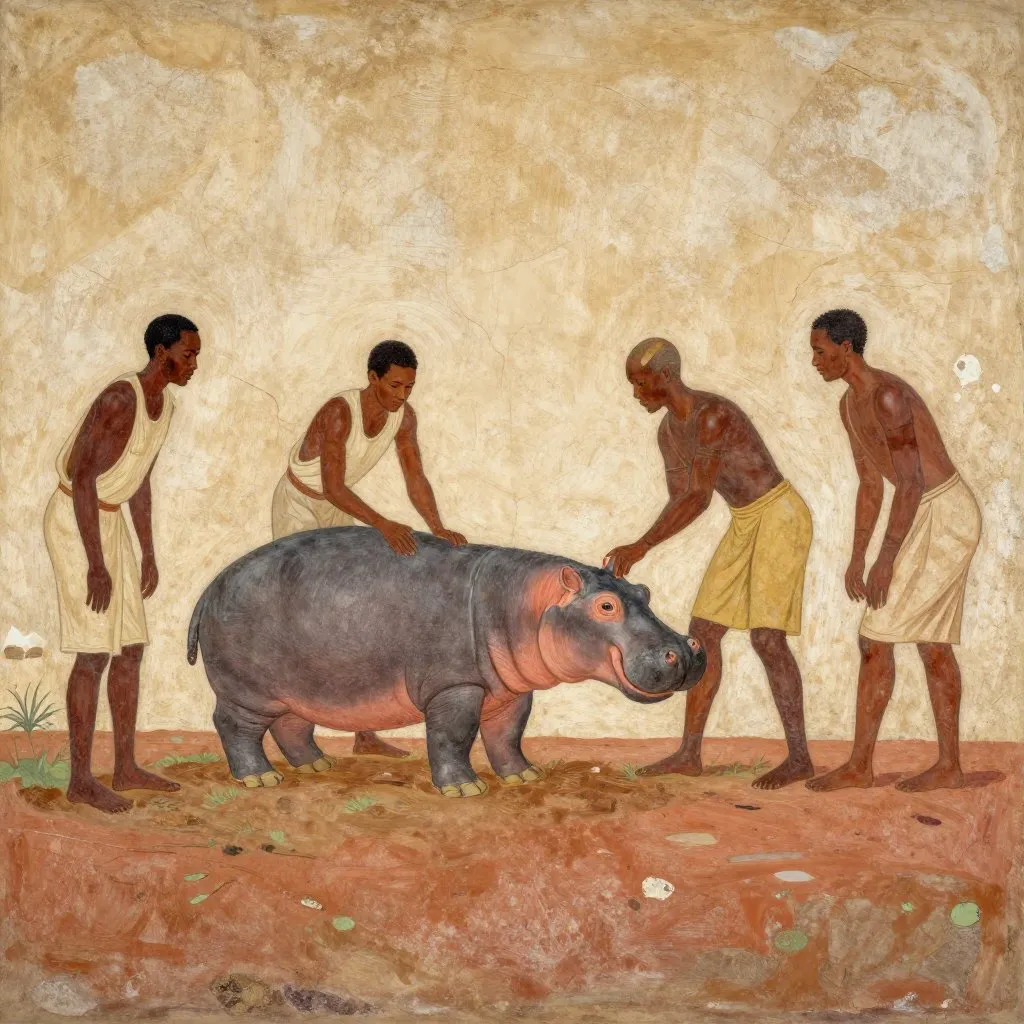
Local fishermen found him near the coastal town of Malindi, exhausted and disoriented, stranded far from any river or water deep enough to shelter in. He was frightened, and a frightened hippopotamus is dangerous. Dozens of people worked for hours to capture him safely.
They named him Owen, after one of the men who helped bring him in. Then they brought him to Haller Park, a wildlife sanctuary on the edge of Mombasa, and placed him in an enclosure to recover.
Mzee
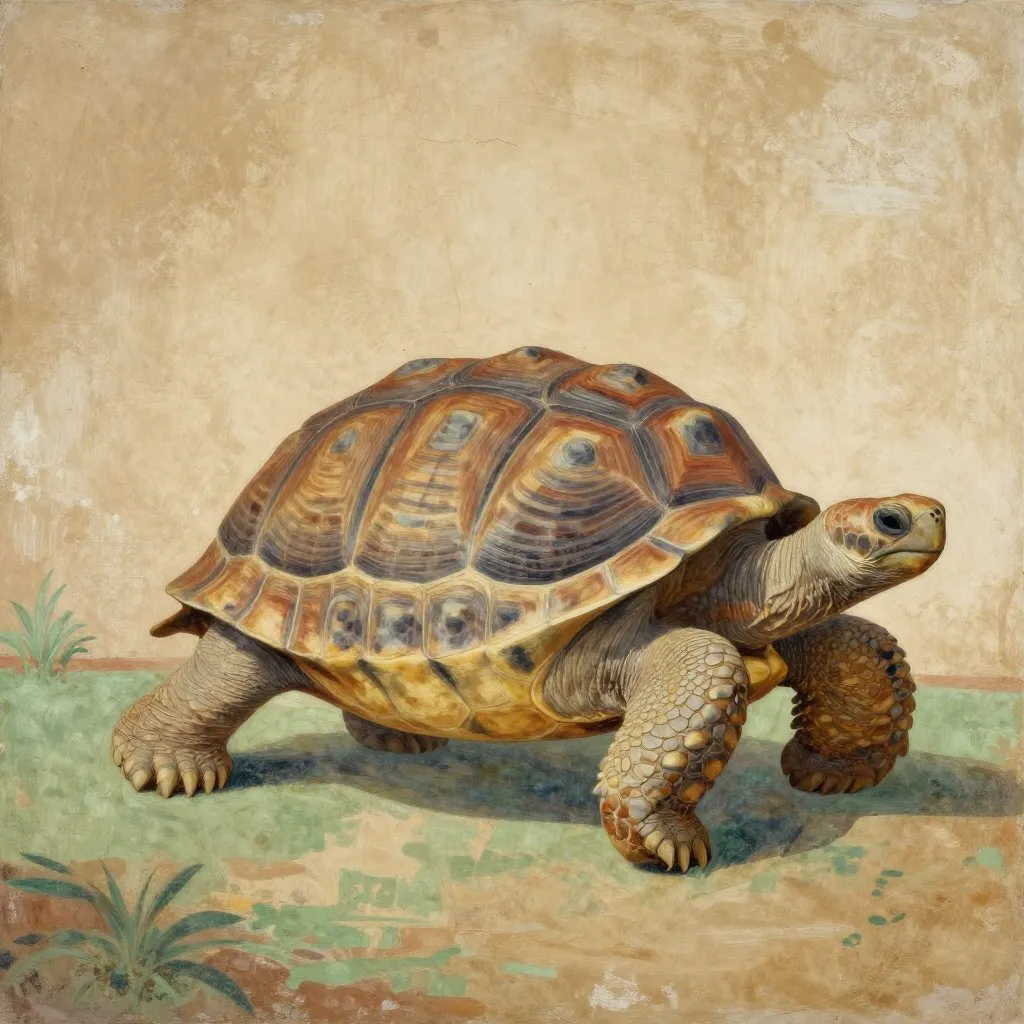
The enclosure already had a resident: a giant Aldabra tortoise named Mzee. He was approximately 130 years old. He weighed over 700 pounds. He had been at Haller Park for years and had never particularly welcomed company.
Mzee means "old man" in Swahili. He had earned the name. When Owen was released into the enclosure, the tortoise moved away from him, slow and deliberate, into the shade on the far side.
Owen Did Not Move On
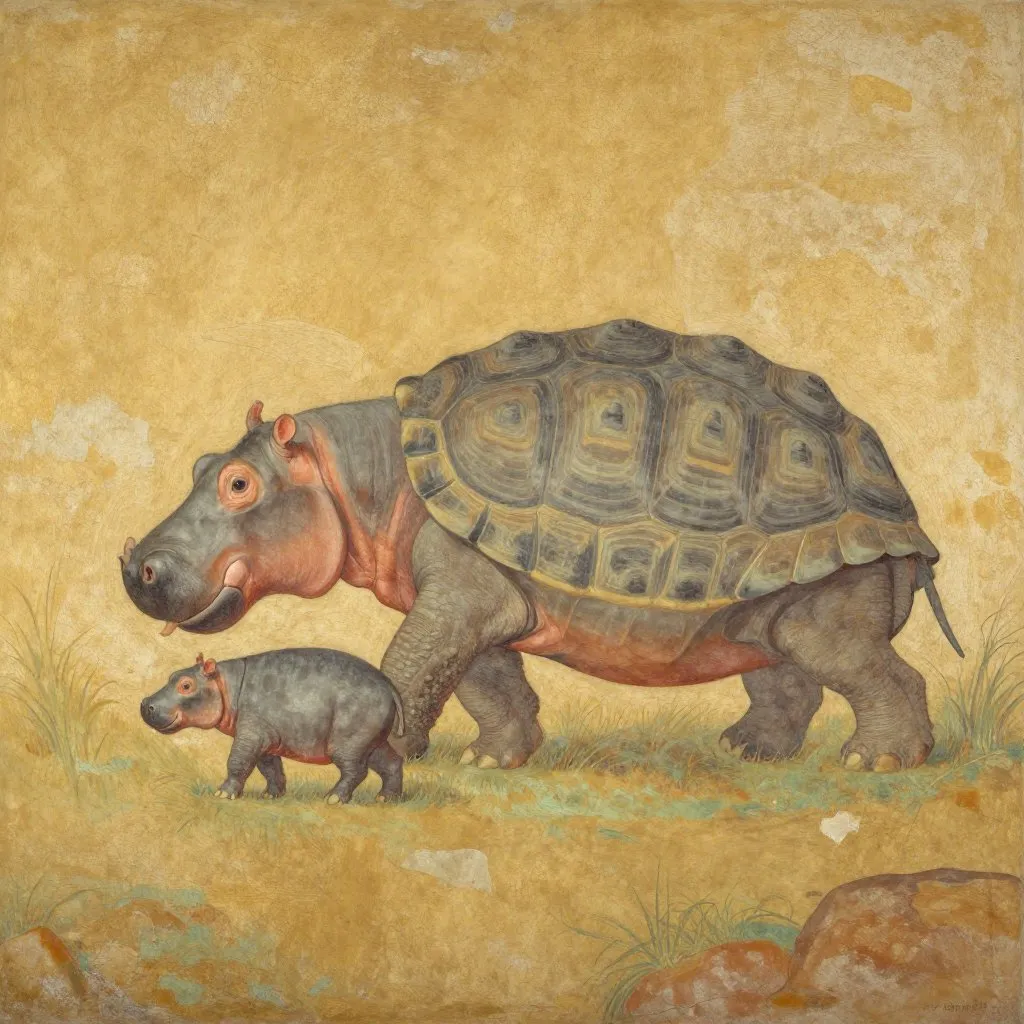
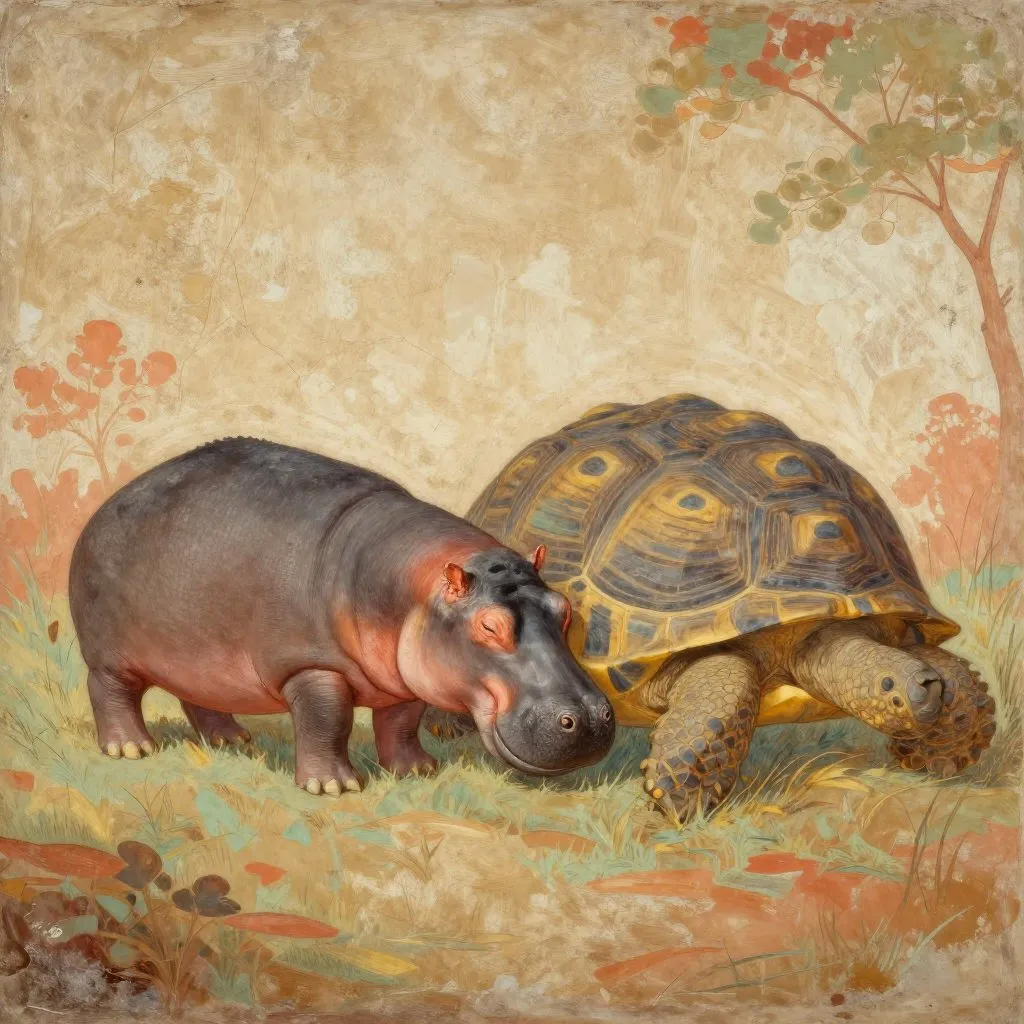
Owen followed him. He stayed close behind Mzee as the old tortoise walked, not rushing, not forcing contact. Just following. By evening, Owen had settled beside Mzee in the shade. He was not touching him. He was simply near him.
When researchers arrived the next morning, Owen was still there. Mzee was still there. Owen had not eaten much and had not slept far from the tortoise's side. The zoologists watching noted it carefully: this was not curiosity. This looked like something else.
Mzee Stopped Moving Away
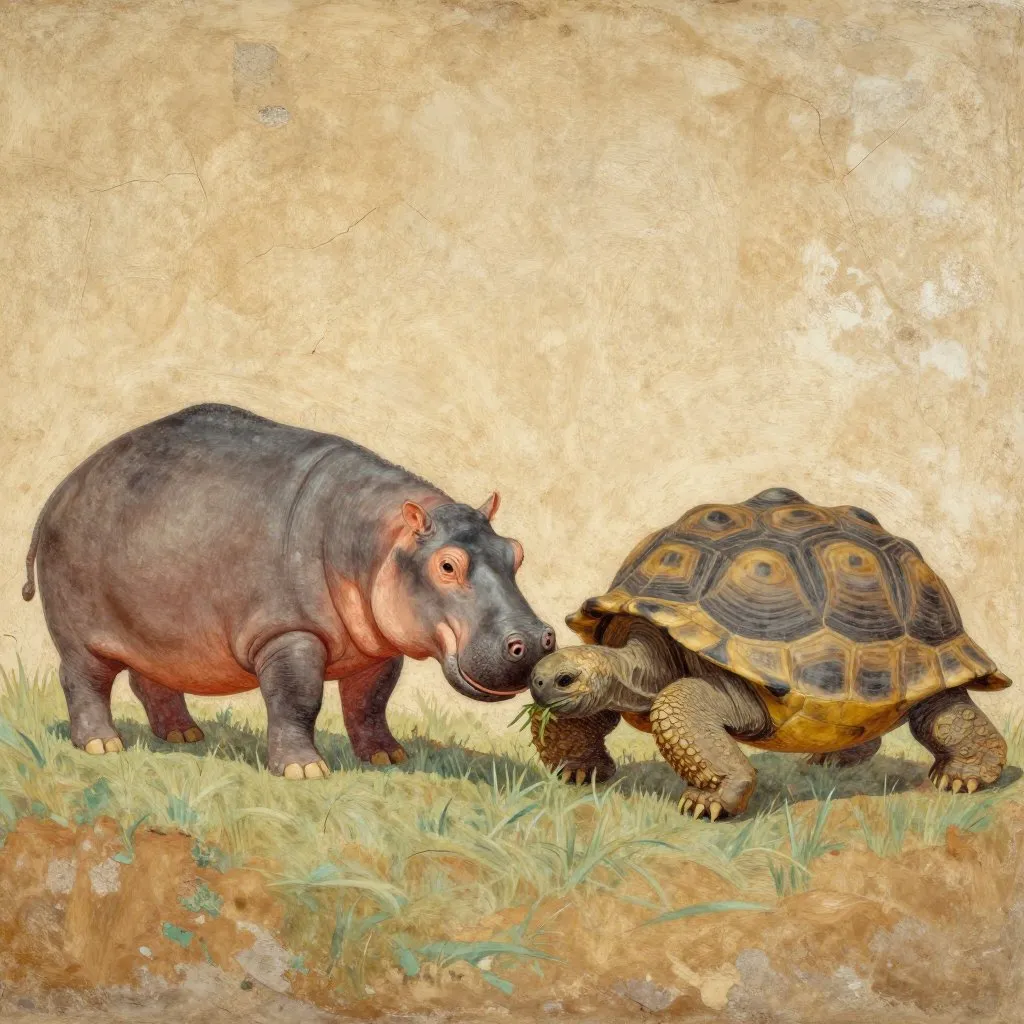
By the second day, Mzee had stopped retreating. By the end of the week, they were eating together, moving through the enclosure side by side, sleeping curled against each other in the grass. Owen would nudge Mzee's shell the way a young hippo nudges its mother. Mzee would lift his ancient head and let him.
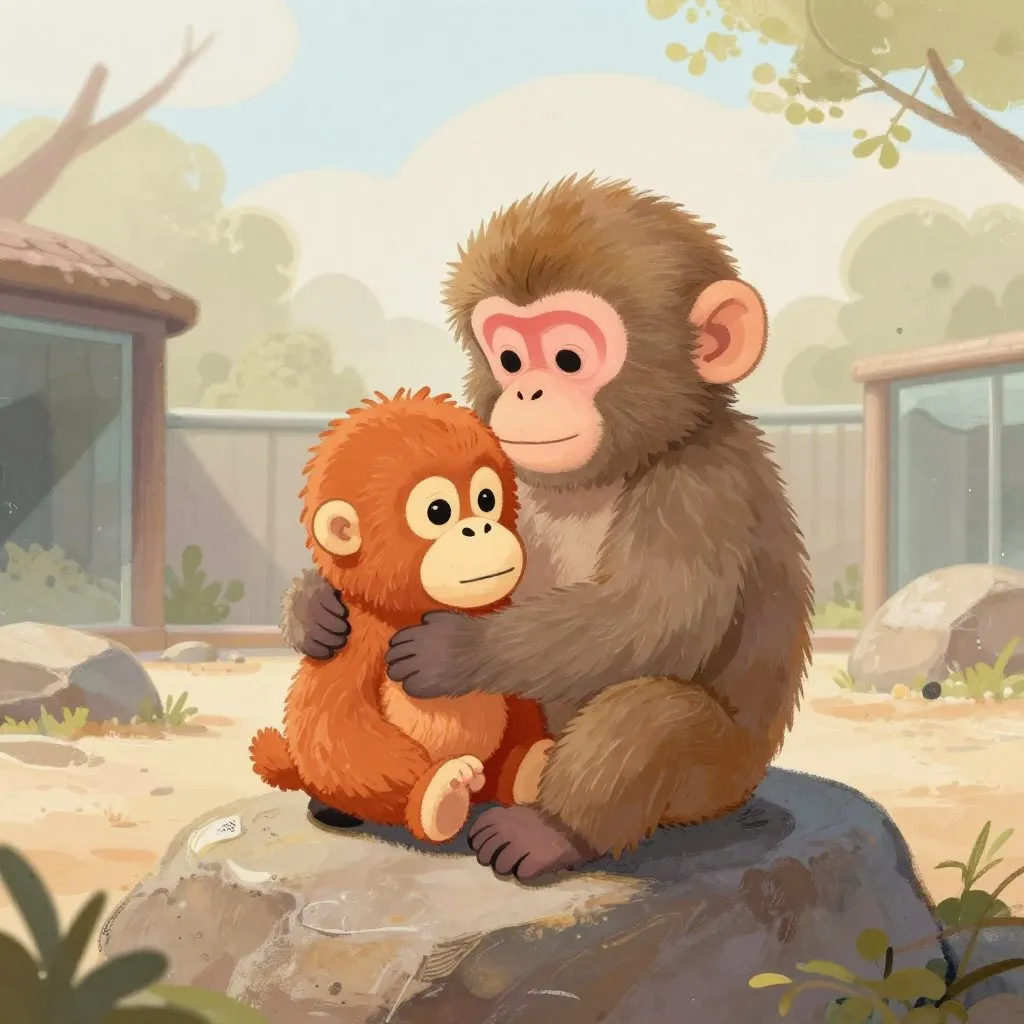
Zoologists described what Owen showed as imprinting, a behavior where a young animal in crisis attaches to the nearest stable presence it can find. What Mzee showed was harder to name. He had stopped moving away. He had started waiting.
Home
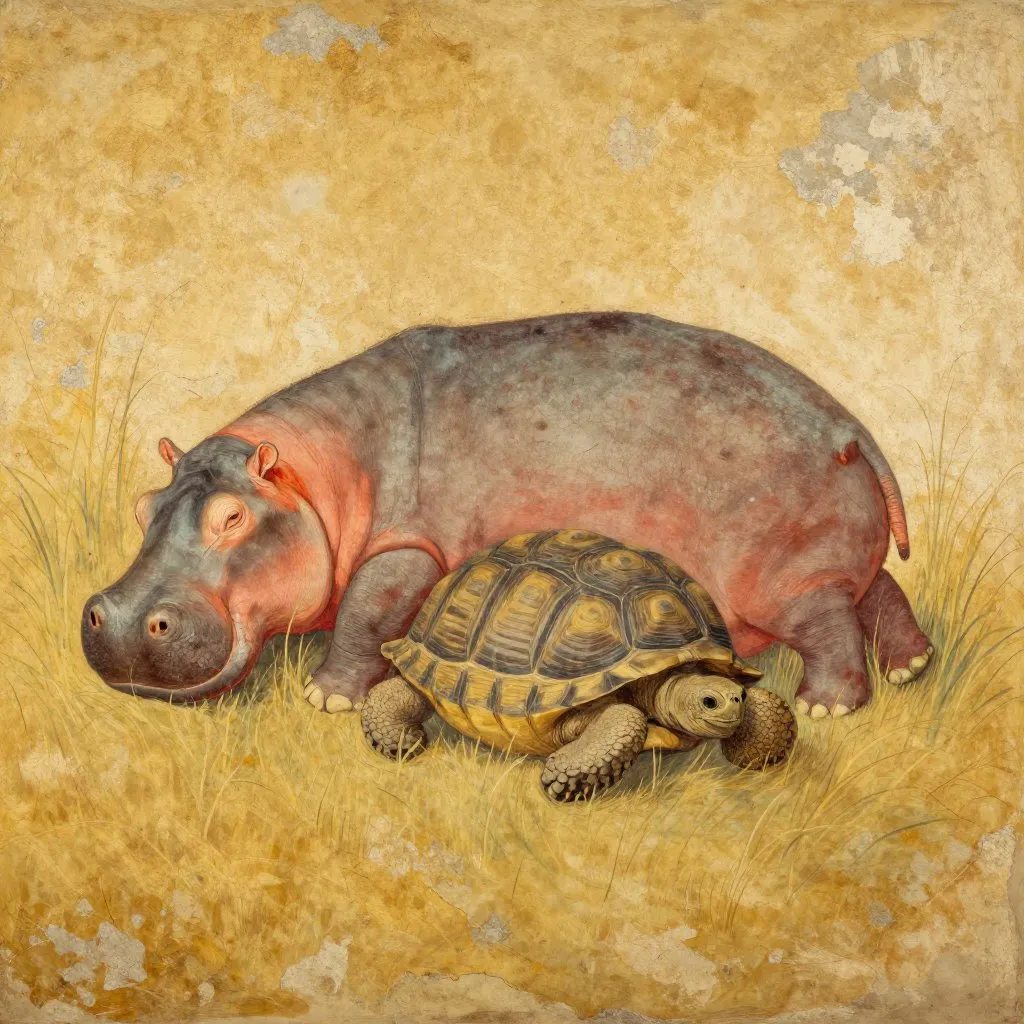
They stayed companions for years. Owen grew. Mzee grew slower. Eventually, Owen was moved to a larger enclosure and introduced to a female hippo, which was always the intended outcome for his care. He bonded with her too.
But in the years before that, in an enclosure in Mombasa, a 650-pound baby who had lost everything in a single December morning had found one creature ancient and unhurried enough to hold still. Mzee had seen more than a century of the world go past. He had time. And for Owen, at that moment, time was everything.
Field Notes
- Owen was approximately 14 months old and 650 pounds when he was separated from his pod by the Indian Ocean tsunami on December 26, 2004, which killed over 230,000 people across 14 countries.
- He was captured near Malindi, Kenya after a rescue effort involving dozens of local fishermen and wildlife officers, and transported to Haller Park wildlife sanctuary in Mombasa.
- Mzee, an Aldabra giant tortoise, was approximately 130 years old at the time. Aldabra tortoises are native to the Seychelles and are among the longest-lived animals on Earth.
- Zoologists at Haller Park documented behaviors from Owen consistent with imprinting, a well-studied process in which young animals, especially when separated from their parents, form strong attachments to the nearest stable companion available.
- Owen and Mzee remained companions for several years. Owen was eventually paired with a young female hippo named Cleo and successfully integrated into hippo companionship. Their story was documented in a children's book and received international media coverage.
Support Haller Park
Haller Park wildlife sanctuary in Mombasa, Kenya rehabilitates injured and orphaned wildlife and maintains the enclosures where animals like Owen and Mzee can recover and thrive.
Support Haller Park