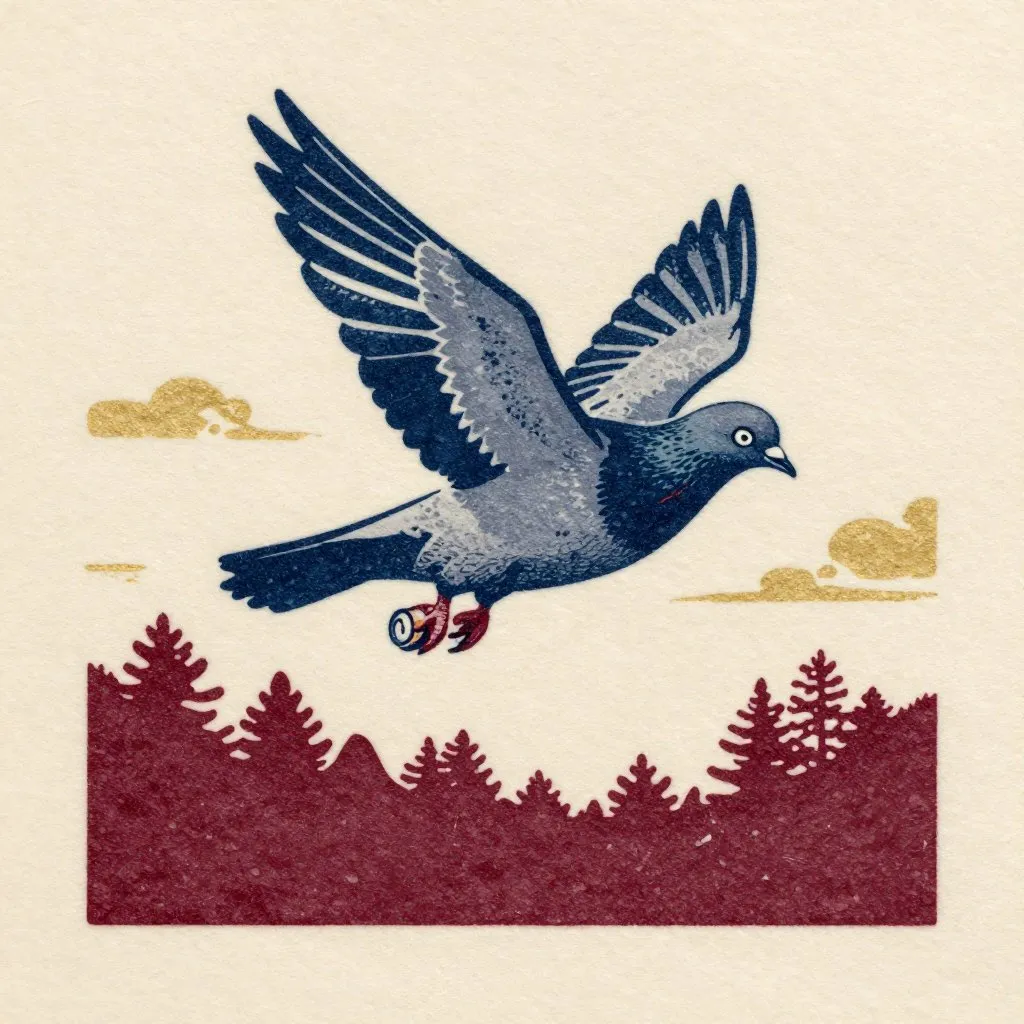
The Lost Battalion
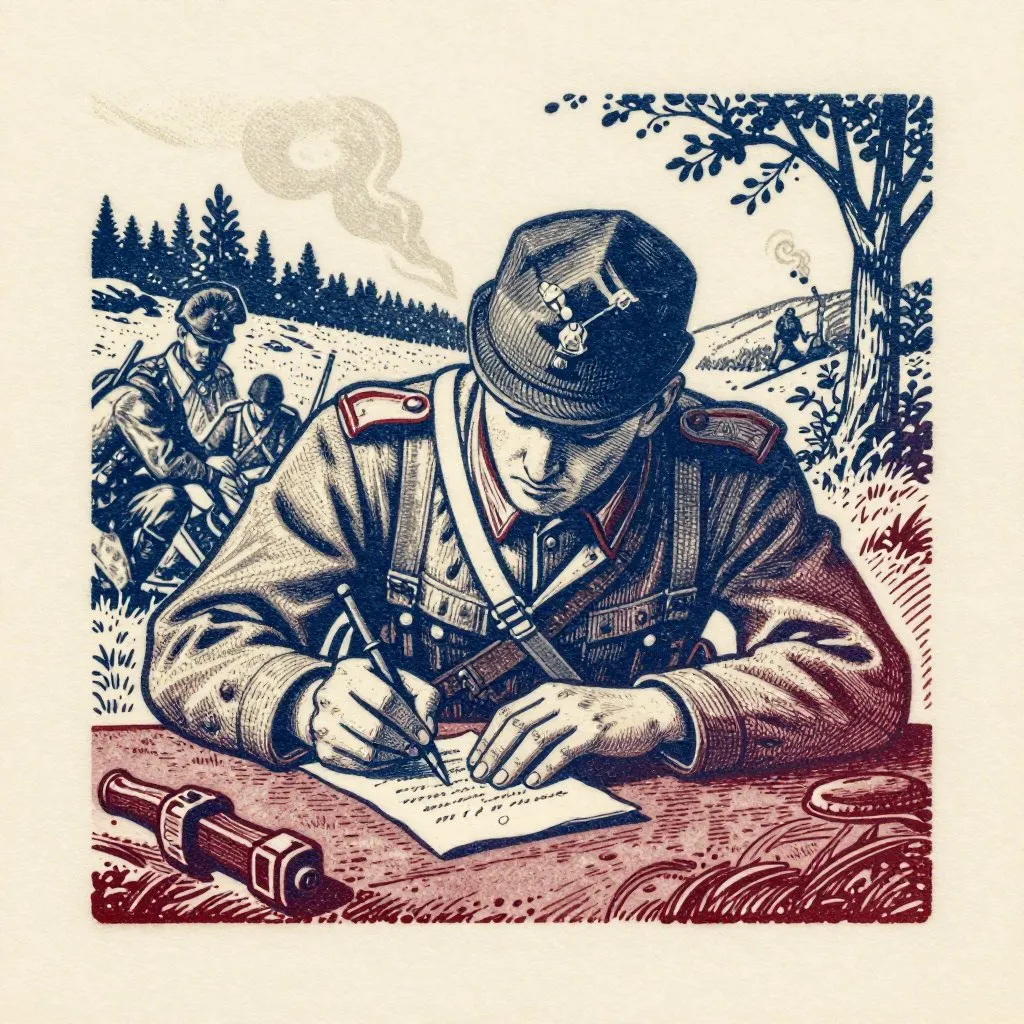
Deep in the Argonne Forest, October 1918, roughly 550 American soldiers had pushed too far forward. German forces had closed in from every side. The men of the 77th Infantry Division were cut off, low on food, low on ammunition, and taking fire from both directions. Their own artillery, not knowing where they were, had begun shelling them.
Their commander, Major Charles Whittlesey, scratched a message onto a small slip of paper. He folded it into a canister and attached it to a pigeon's leg. If the message reached the command post, the shelling would stop. If it didn't, there might be no one left to rescue.
One After Another
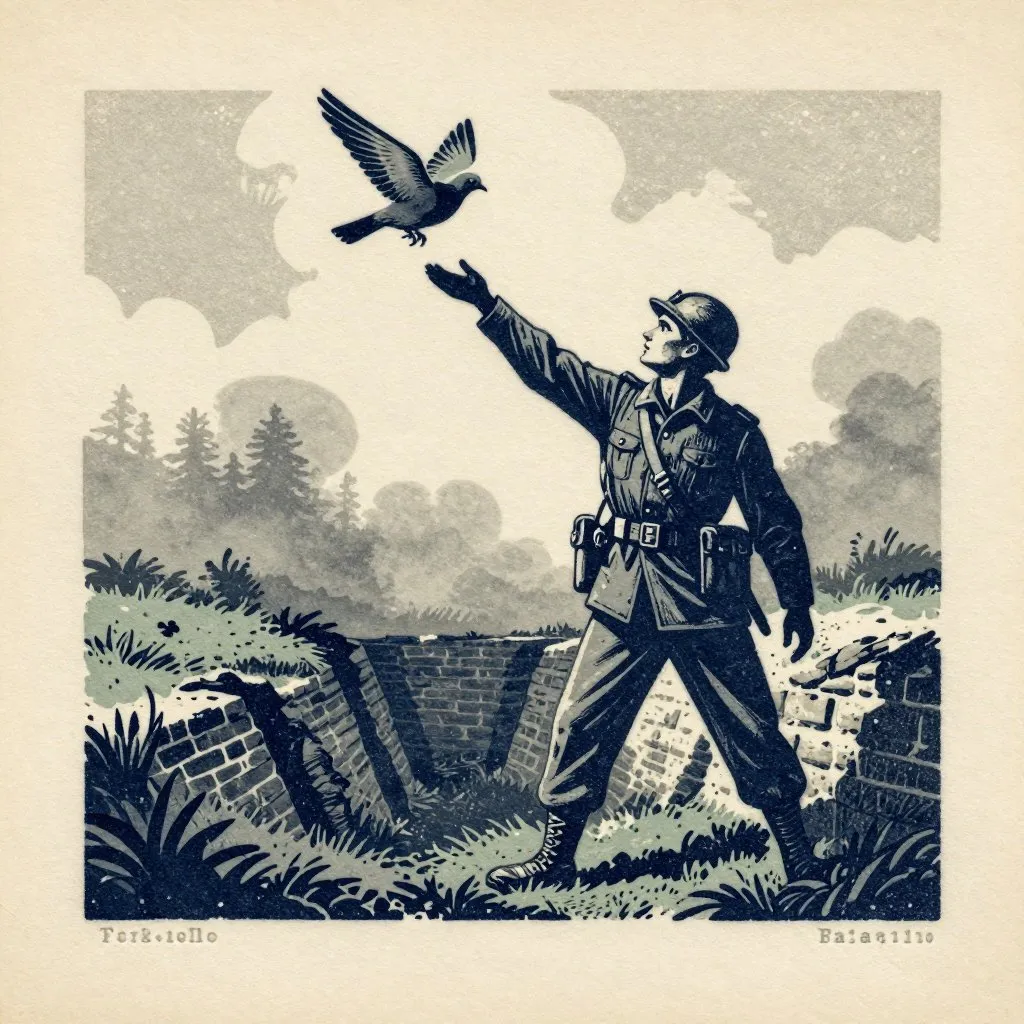
Whittlesey sent the first pigeon. German rifles tracked it across the sky. It went down. He sent another. Then another. Each bird crossed into the open air above the tree line and was shot before it could clear the valley.
The canisters with their messages fell into the mud and the smoke. The artillery kept firing. The men kept dying. Whittlesey looked at what he had left. One pigeon. Her name was Cher Ami.
The Last Bird
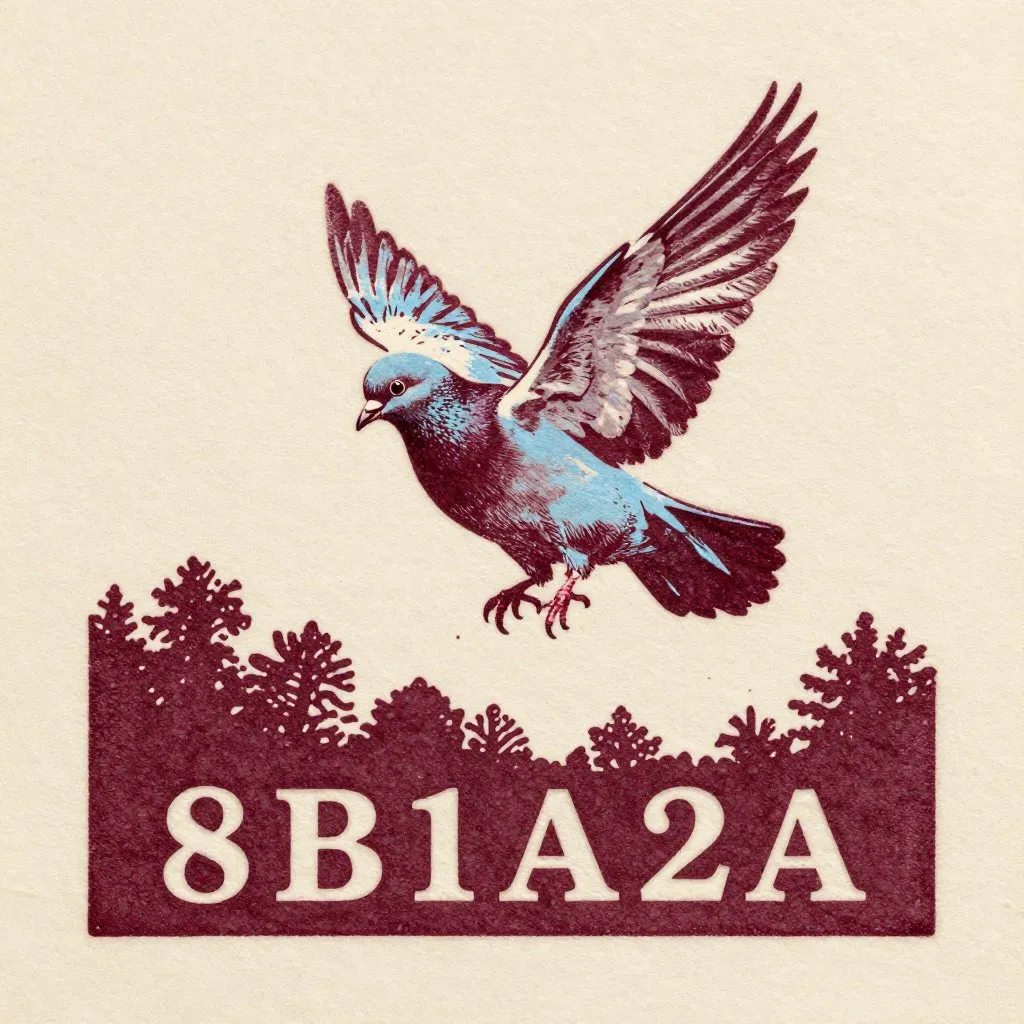
He released her. She climbed. German rifles opened up along the whole line, every gun that could be turned on a single small bird moving fast above the trees. She was hit. She tumbled. For a moment she fell.
Then she steadied. She flew on. She had been shot through the breast. One eye was gone. Her leg, nearly severed, held the canister by a thread of tendon. She flew 25 miles in 25 minutes. She landed at the loft at division headquarters, unable to stand, the canister still attached.
The Message Delivered
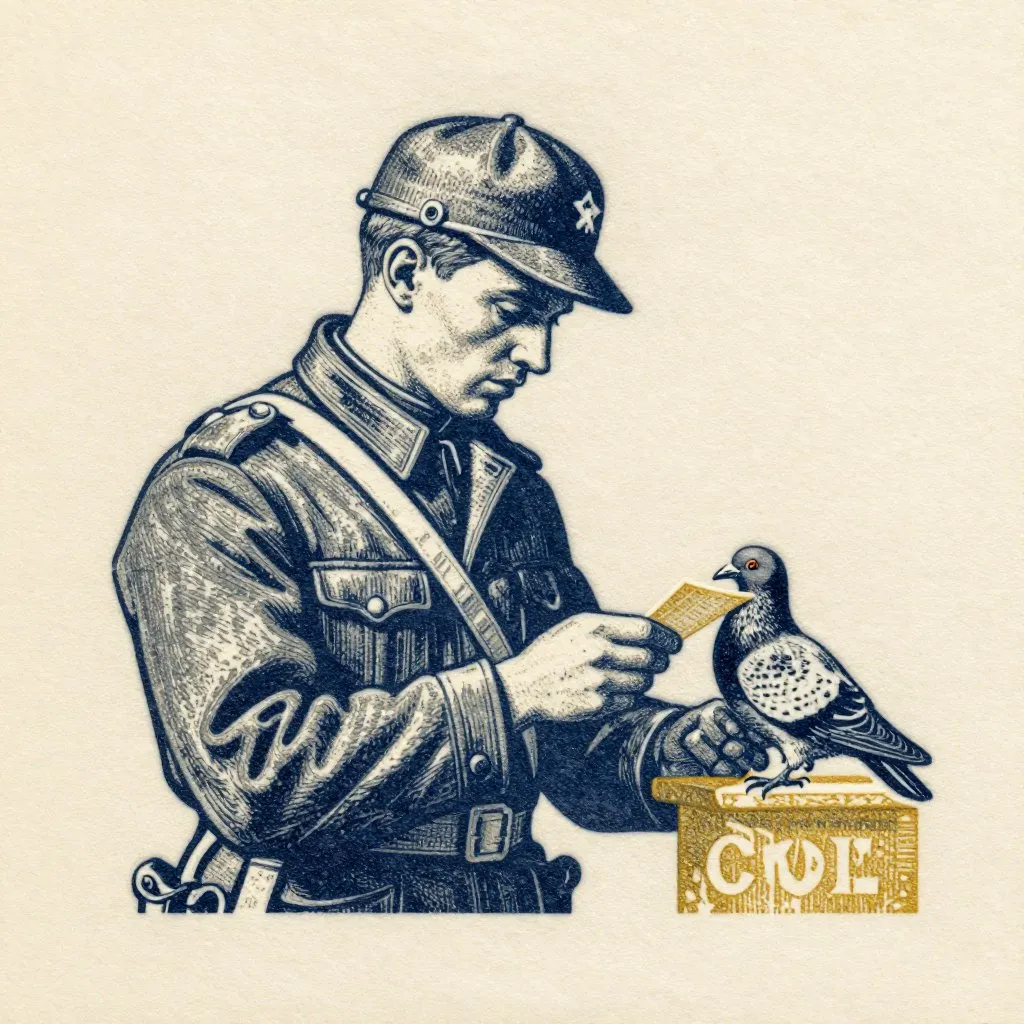
A soldier at the loft saw her come in and ran. The canister was opened. The message was read. The coordinates were confirmed. The order went out to stop the shelling. The guns went quiet.
Inside the Argonne, the men of the Lost Battalion heard the artillery stop and did not yet know why. Out of the roughly 550 men who had gone in, approximately 194 survived to be rescued. The message Cher Ami carried was the last reason any of them made it out.
What They Did for Her
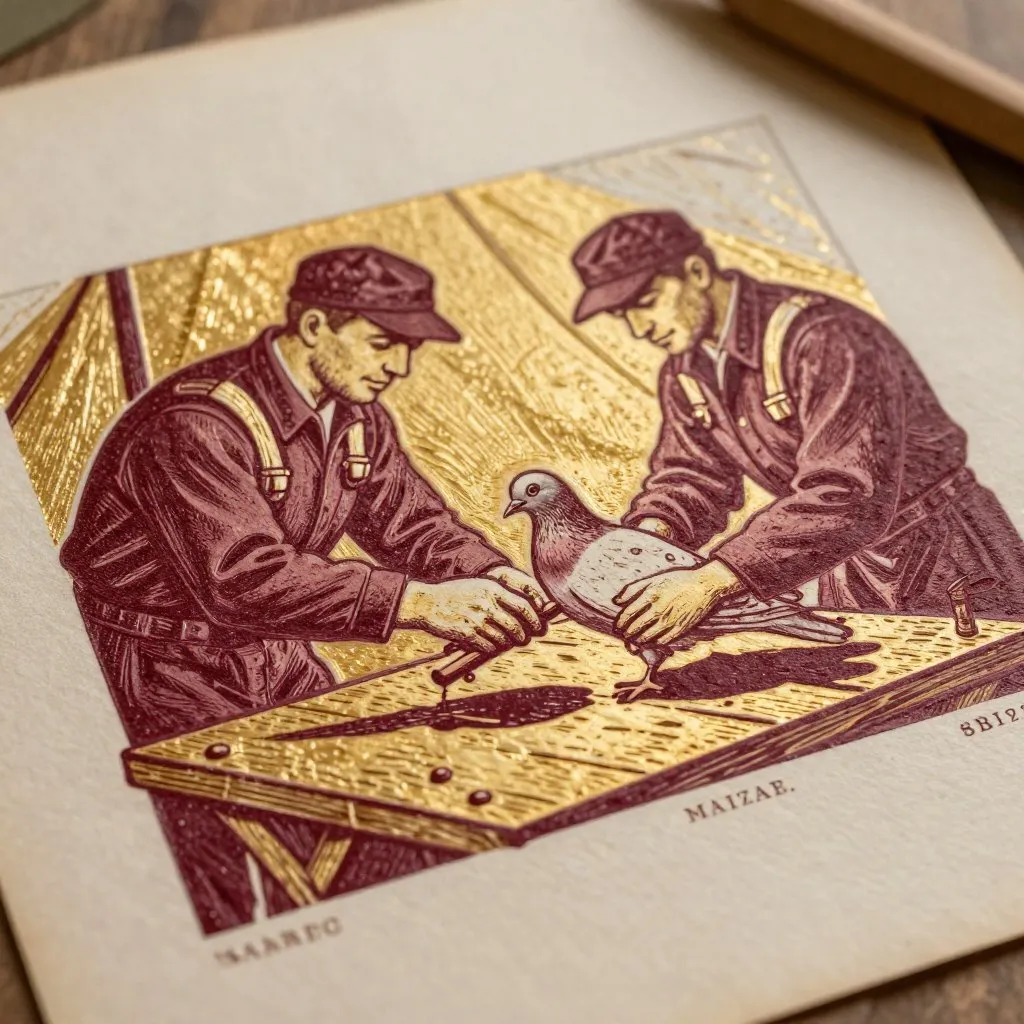
Army medics worked on Cher Ami the way they worked on their own. They cleaned the wound in her chest. They carved a small wooden leg to replace the one she had nearly lost. She recovered, though she would never fly again.
France awarded her the Croix de Guerre, the military honor given for acts of courage under fire. She was the only pigeon to receive it. American soldiers who heard her story made sure she was brought home to the United States, not left behind.
Still There
Cher Ami died in June 1919, eight months after the flight that changed everything. She had never fully healed from what she had carried through. The Smithsonian Institution received her remains and has kept them ever since.
She is still there today, in Washington, D.C. A small bird behind glass, one wooden leg, the wound in her chest visible if you look. She flew 25 miles on the day it mattered. One hundred and six years later, she has not moved an inch from where history put her.
Field Notes
- Cher Ami was an American-owned carrier pigeon serving with the U.S. Army Signal Corps during World War I.
- On October 3, 1918, she was released during the Battle of the Argonne Forest after all other carrier pigeons attempting to deliver the same message had been shot down.
- She was shot through the breast, blinded in one eye, and had her right leg nearly severed during the flight, yet completed the 25-mile journey in approximately 25 minutes.
- Her message to cease artillery fire helped save approximately 194 men of the 77th Infantry Division's "Lost Battalion" from friendly fire.
- France awarded her the Croix de Guerre. She died of her wounds in June 1919, and her preserved body is on permanent display at the Smithsonian Institution's National Museum of American History in Washington, D.C.
Support the Smithsonian
The Smithsonian Institution preserves Cher Ami and thousands of other artifacts that hold the history of the animals, people, and events that shaped the world we live in.
Support the Smithsonian