The Wrong Ocean
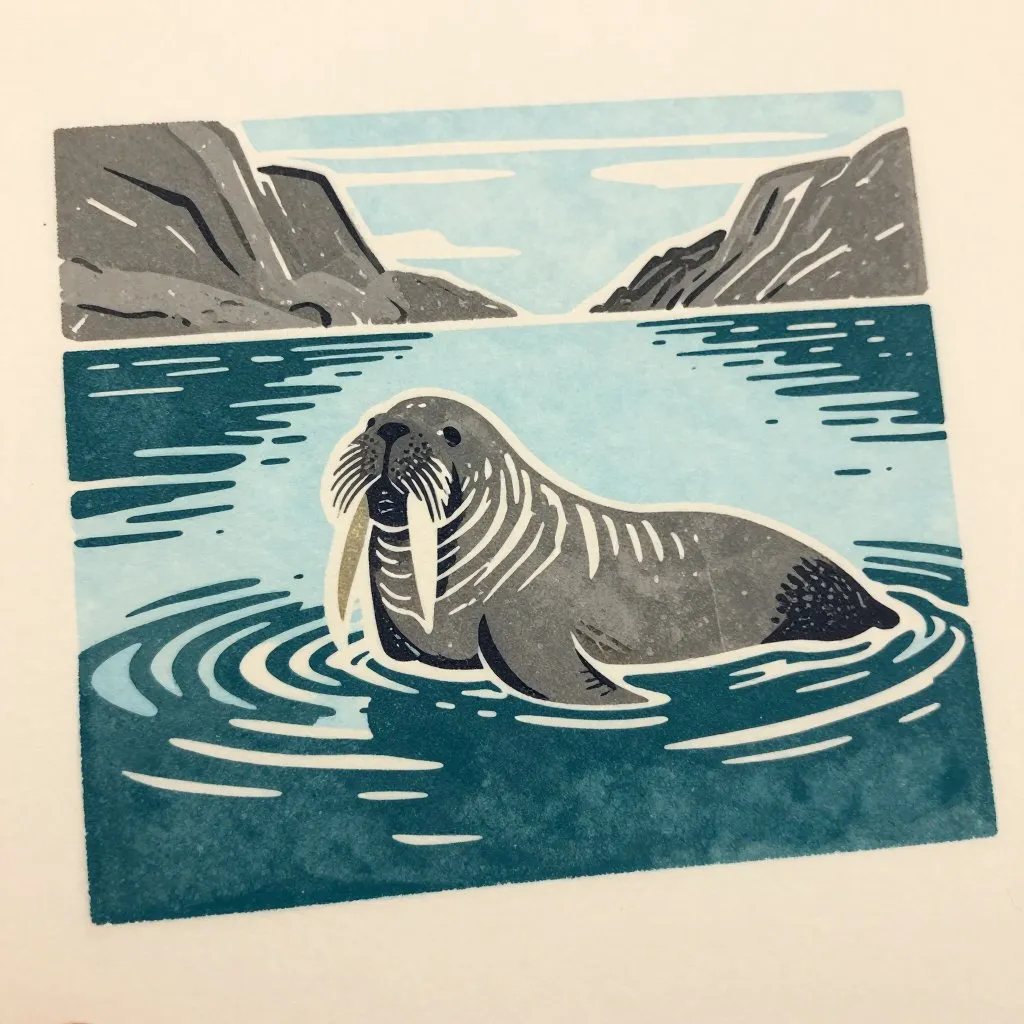
Walruses belong to the Arctic. They haul out on ice shelves near Svalbard and Greenland, rest in groups, and spend their days diving for clams in cold, deep water. They do not, as a rule, appear in Norway's Oslofjord, alone, blinking in the summer light at boats full of confused fishermen.
But in the spring of 2022, one did. A young female, already enormous at around 1,300 pounds, had traveled far beyond the southern edge of any range that made sense for her species. Nobody knew how she had gotten there. Nobody knew why.
The Boat Problem
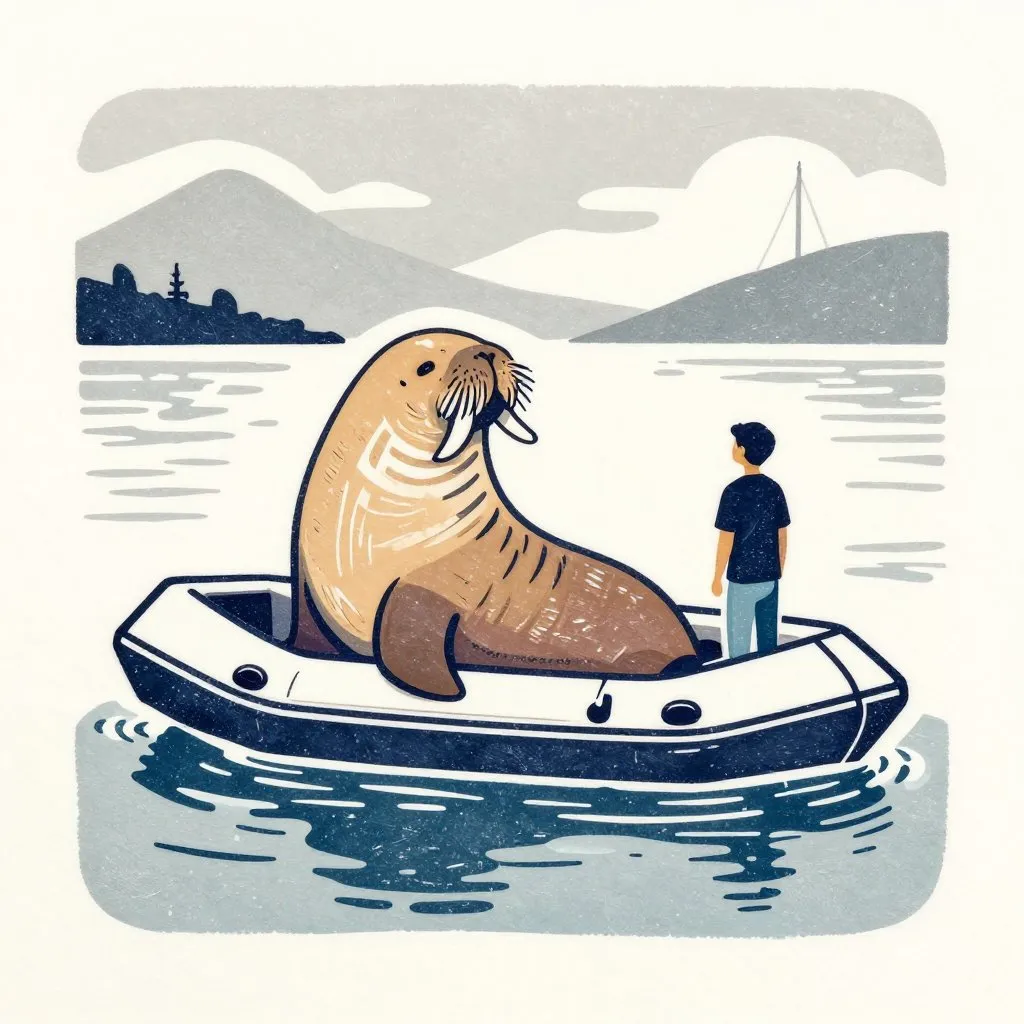
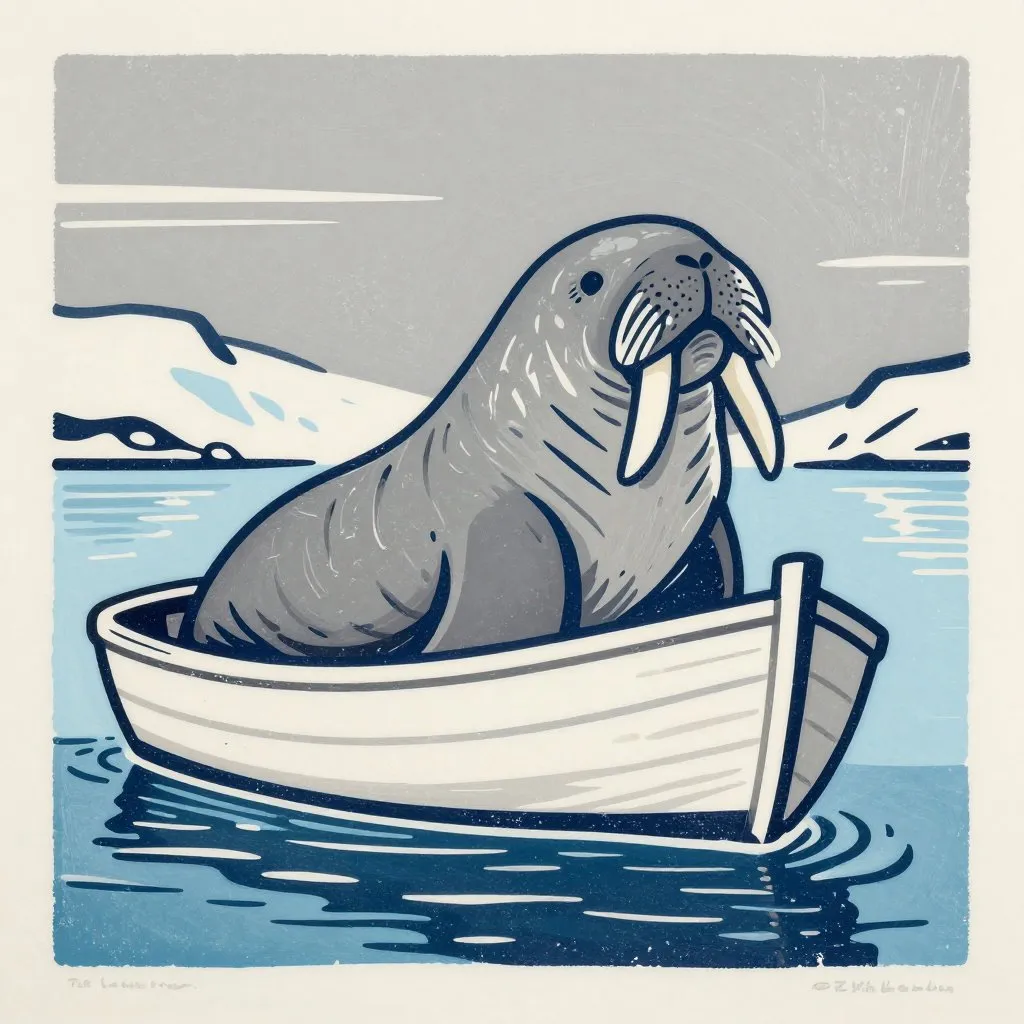
She was tired. That much was obvious. And she had figured something out: boats are flat, boats float, and a tired walrus needs somewhere to rest. So she climbed onto them.
She sank several. Small dinghies, kayaks, a few inflatable vessels that were not designed to hold a 1,300-pound passenger who settled in without asking. Their owners watched from the water. Freya did not appear to feel guilty about this. She was just looking for somewhere to sleep.
Famous Across Europe
Norwegian media named her Freya, after the Norse goddess. Then British media picked up the story. Then Dutch, German, French. She had been spotted in the UK, the Netherlands, and multiple Norwegian harbors over the span of several months, tracing an itinerary no one could fully explain.
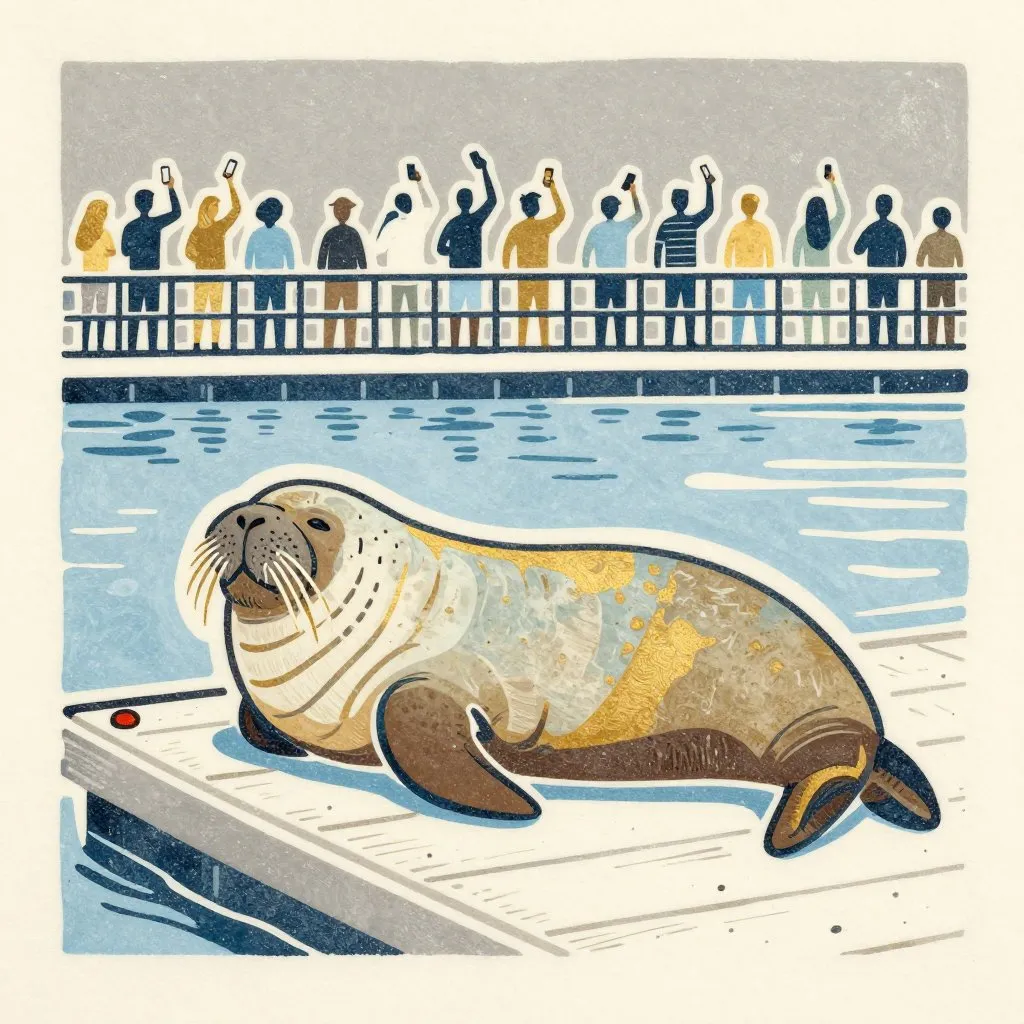
Crowds began gathering wherever she appeared. People lined the docks with phones out. Children pressed against harbor railings for a better look. Freya, unbothered, hauled herself onto whatever surface was available and slept. She had not asked to be famous. She seemed, at most, mildly annoyed.
The Gathering Crowds
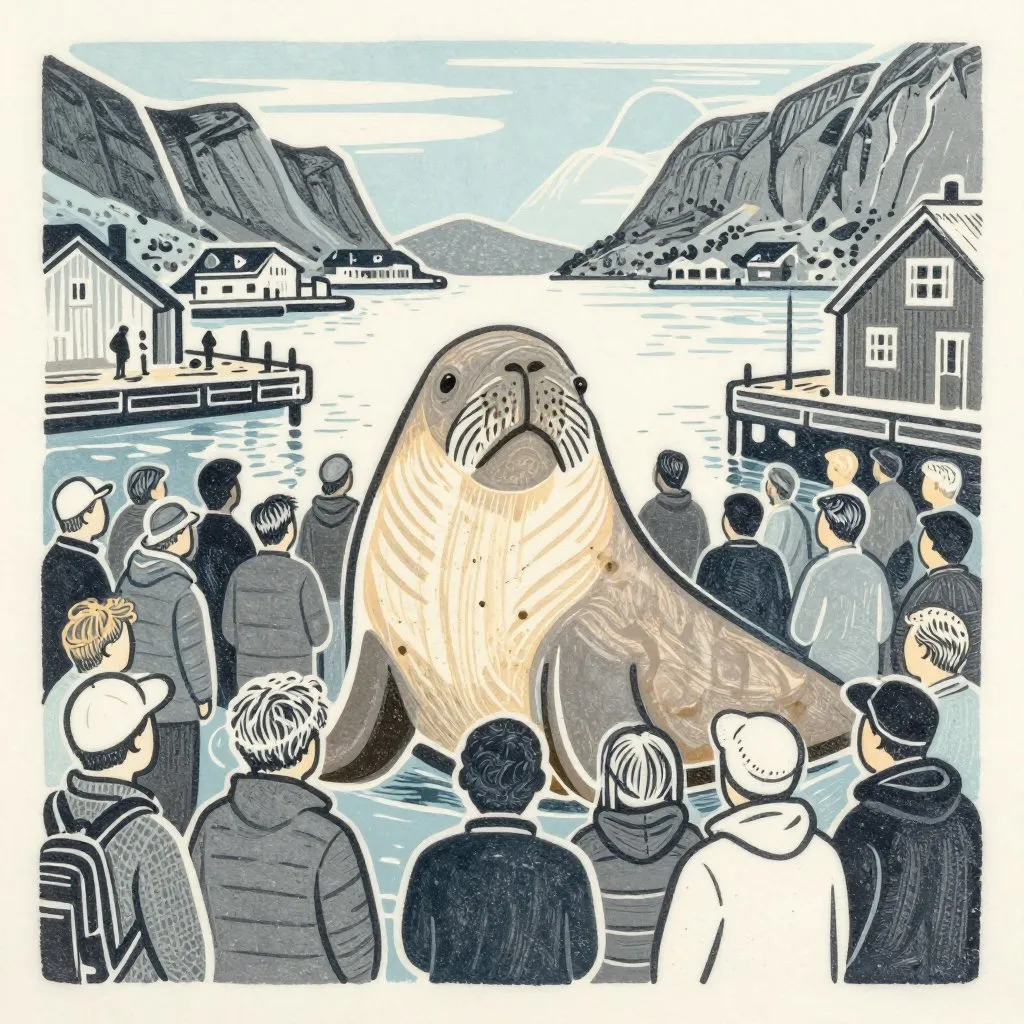
The crowds grew larger as summer went on. People waded into the water to get closer. Some tried to touch her. Others climbed into the water beside her for photographs. Marine biologists and wildlife officials began to worry: not about Freya approaching humans, but about humans approaching Freya.
A stressed or startled walrus can cause serious injury. She was also a wild animal a long way from home, burning energy she could not easily replace in unfamiliar southern waters. Every crowd that pressed close to her was a crowd she had to manage, instead of resting, eating, and recovering.
The Decision
Norwegian authorities issued repeated warnings to the public to stay back and leave her alone. The warnings were not followed.
In August 2022, officials made the decision to euthanize her. They cited the crowds directly: the constant human pressure made it impossible for Freya to rest, feed, or behave normally. Keeping her alive, they concluded, meant watching her suffer in a situation that showed no sign of improving. The announcement was met with grief and anger from the public and sharp criticism from marine biologists who believed other options had not been fully explored.
What She Left Behind

Freya was a juvenile walrus, probably no more than a few years old, who swam further south than almost any walrus on record and spent a summer being more famous than most animals ever are. She didn't ask for any of it.
The argument about her death didn't resolve. Scientists, wildlife advocates, and ordinary people who had followed her story continued to debate whether it had to end that way. What doesn't seem disputed: she made an extraordinary journey, she was curious and adaptable and tough, and the world that met her was not ready to give her the space she needed.
Field Notes
- In spring 2022, a juvenile female walrus nicknamed Freya appeared in Norwegian waters and was documented in the UK, the Netherlands, and multiple Norwegian harbors over several months, far outside the normal Arctic range of her species.
- Freya weighed approximately 1,300 pounds and regularly climbed aboard small boats to rest, sinking several of them.
- Crowds gathered at every harbor where she appeared, with people wading into the water and attempting to touch or photograph her at close range despite repeated official warnings.
- Norwegian authorities euthanized Freya in August 2022, stating that the size and behavior of the crowds made it impossible to ensure her welfare or public safety.
- The decision drew widespread criticism from marine biologists and the public, many of whom argued that relocation or other interventions had not been adequately considered.
Support IFAW
The International Fund for Animal Welfare works to rescue and protect animals around the world, including marine mammals who need space, habitat, and the chance to live without human interference.
Support IFAW