Penn Cove, August 8, 1970
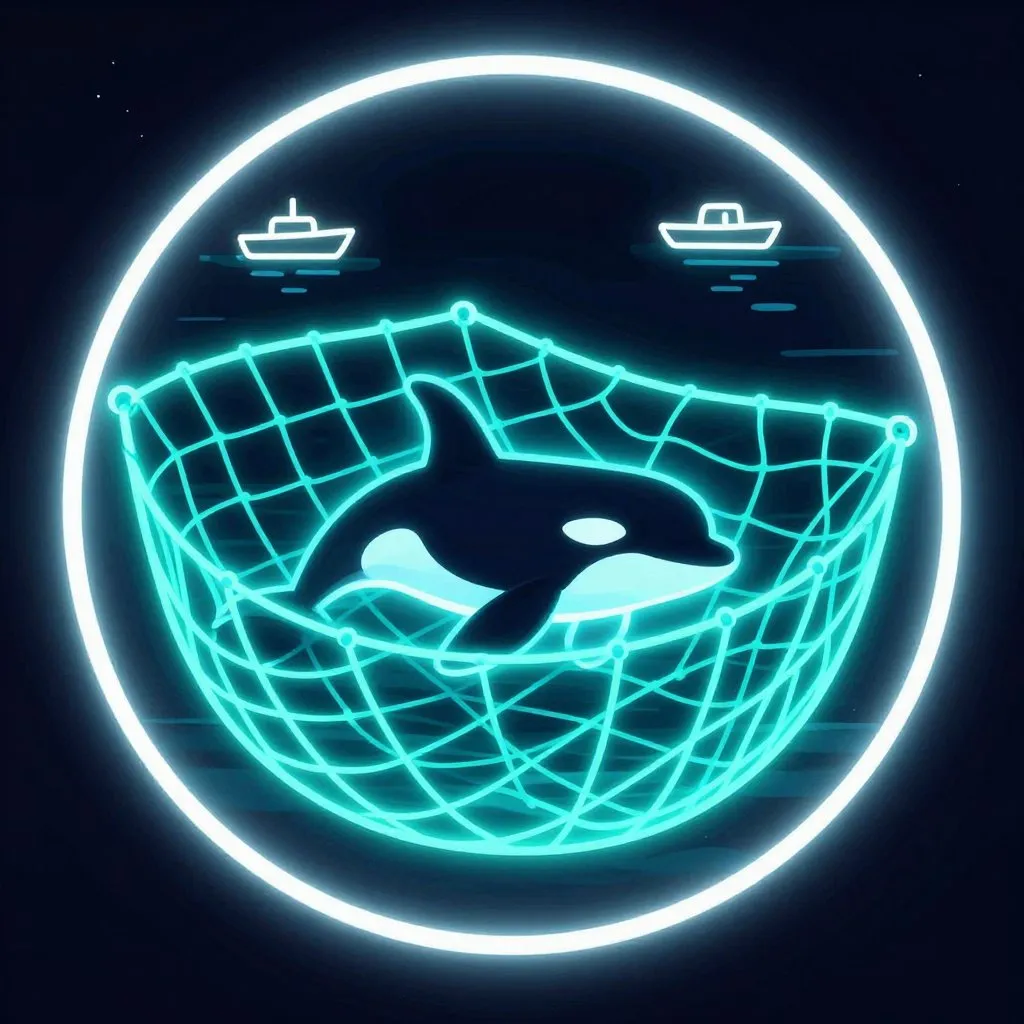
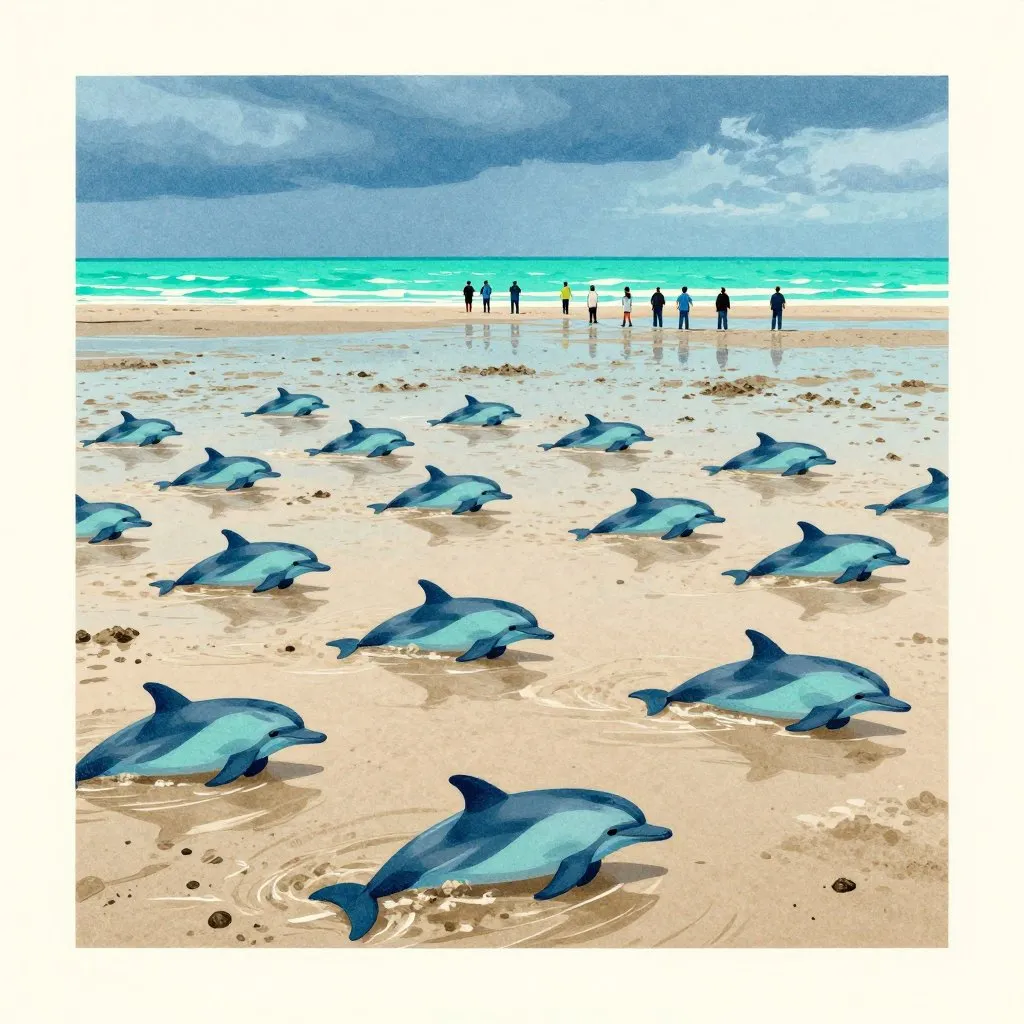
The Southern Resident orcas had traveled this stretch of Washington coast for as long as anyone could remember. Penn Cove was calm that morning, the water green and cold and familiar. Then the boats came. Nets dropped from all sides, and the pods scattered in every direction.
When it was over, seven young orcas had been pulled from the water. One of them was a calf about four years old. She would not see the Pacific Ocean again for the rest of her life.
The Tank
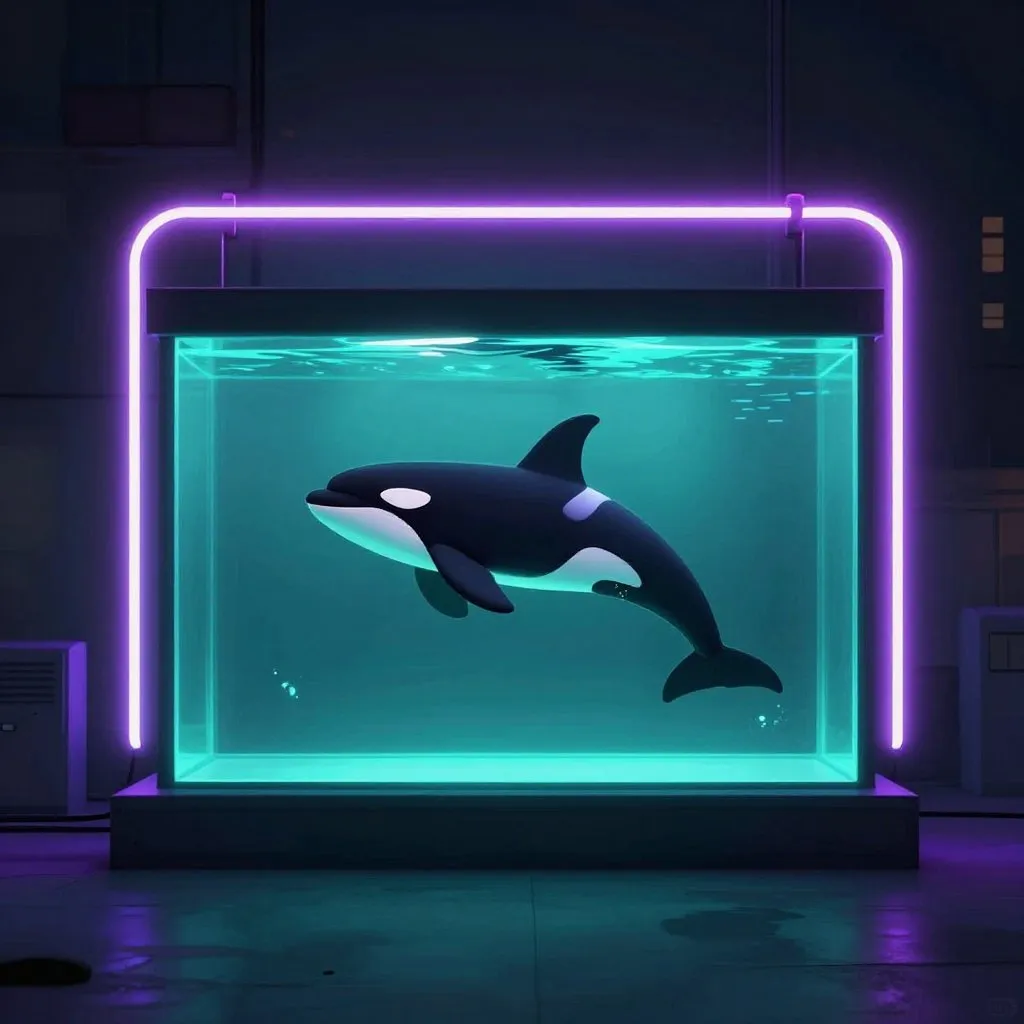
Miami Seaquarium gave her a new name: Lolita. They gave her a tank roughly 80 feet long and 60 feet wide. For an orca who had spent her whole life moving through open ocean with her family, it was approximately the size of a swimming pool. It was the smallest orca tank in North America.
She performed twice a day. The crowds came and went. The years stacked up: ten, twenty, thirty, forty. Outside, in the cold waters of Puget Sound, her pod kept swimming the same coastline she had known as a calf.
Ocean Sun
Researchers tracking the Southern Residents gave her mother a name too: Ocean Sun. They photographed her dorsal fin and logged her movements and watched her travel the same waters she had always traveled. As of 2021, Ocean Sun was still alive. Tokitae had been gone for fifty years, and her mother was still out there.
Nobody knows what an orca remembers across five decades. But the Southern Residents are known to have calls and dialects specific to their pod. Tokitae had learned those sounds as a calf. Whether she still heard them in some part of herself is not something science can measure.
The People Who Didn't Stop

Advocates, scientists, and attorneys spent years building the legal case to bring Tokitae home. In 2022, the National Marine Fisheries Service moved to reclassify her as part of the endangered Southern Resident killer whale population. It was a significant step: the same protections that covered her family in the wild could now extend to her.
The plan was to move her to a sea pen in the waters off San Juan Island, where she had been born. She would have salt water, open sky, and the acoustic range to hear her pod for the first time in fifty years. For the people who had spent decades working toward it, it felt, finally, like something real.
August 18, 2023
Tokitae died at Miami Seaquarium on August 18, 2023. She was approximately 57 years old. The sea pen was ready. The permits were in progress. She died before the transfer could happen.
She had been in that tank for 53 years.
What She Left Behind
The people who fought for Tokitae did not stop working when she died. The arguments they built, the legal frameworks they established, the reclassification they won: those things still exist. They matter for every captive orca still living, and for the populations that remain in the wild.
Tokitae spent her whole life in a concrete pool in Miami. She was taken from a family that outlived her. She deserved better than what she got. Knowing that clearly, and saying it plainly, is where the next fight starts.
Field Notes
- Tokitae was captured on August 8, 1970, in Penn Cove, Washington, at approximately four years old. She was one of seven orcas taken that day and the only one from that capture kept in captivity long-term.
- The tank she lived in at Miami Seaquarium, roughly 80 by 60 feet, was the smallest orca tank in North America.
- Her mother, known to researchers as Ocean Sun, was documented alive in the wild as recently as 2021, more than 50 years after Tokitae's capture.
- In 2022, the National Marine Fisheries Service moved to reclassify Tokitae as part of the endangered Southern Resident killer whale population, which would have opened a legal path toward her release to a sea pen near San Juan Island.
- Tokitae died on August 18, 2023, at approximately 57 years old, before the transfer could take place. She had been in captivity for 53 years.
Support Whale and Dolphin Conservation
Whale and Dolphin Conservation works to protect whales and dolphins through campaigns, field projects, and advocacy. Their work continues for every animal Tokitae's story represents.
Support Whale and Dolphin Conservation