The Mud Flats of Wellfleet
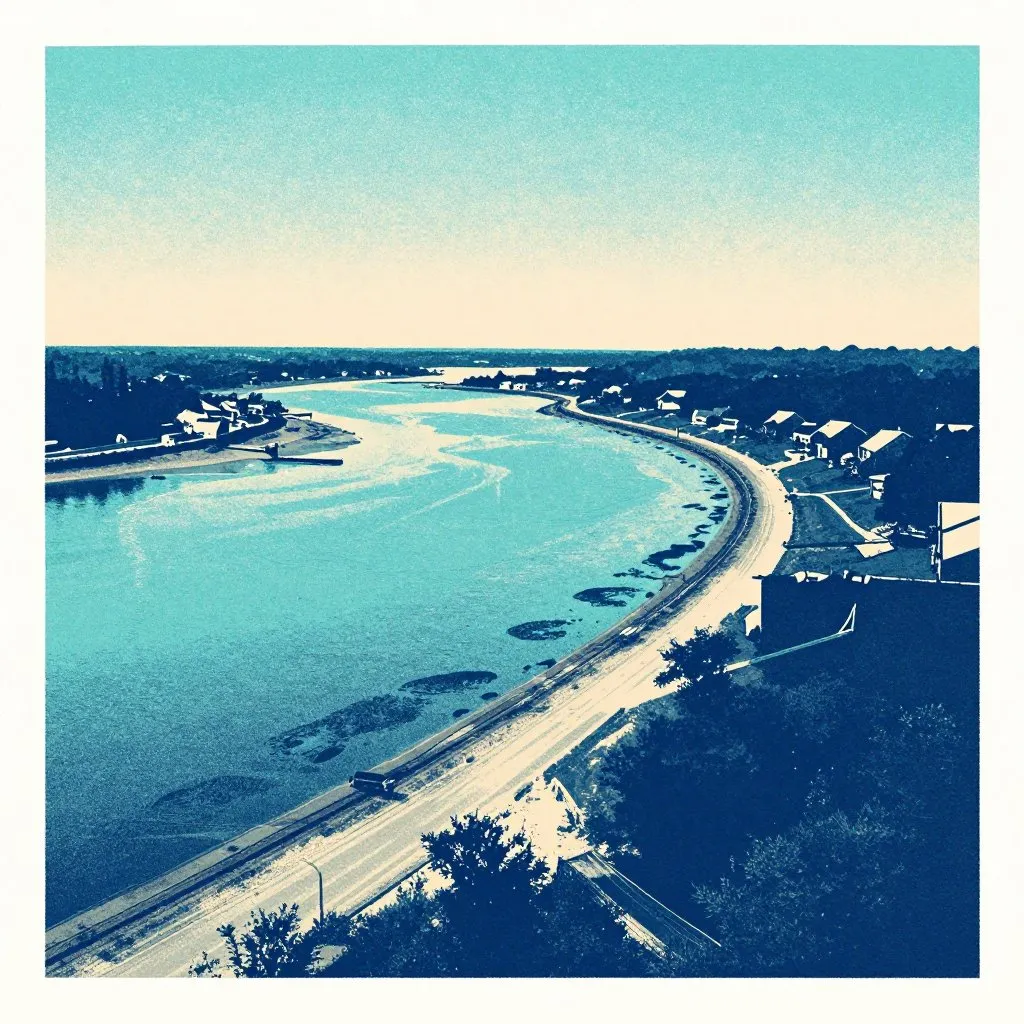
Cape Cod curves into the Atlantic like a bent arm, and at the inside of the elbow sits Wellfleet Harbor. The tides there drop far and fast, exposing wide flats of dark mud that can trap anything that swims too close to shore.
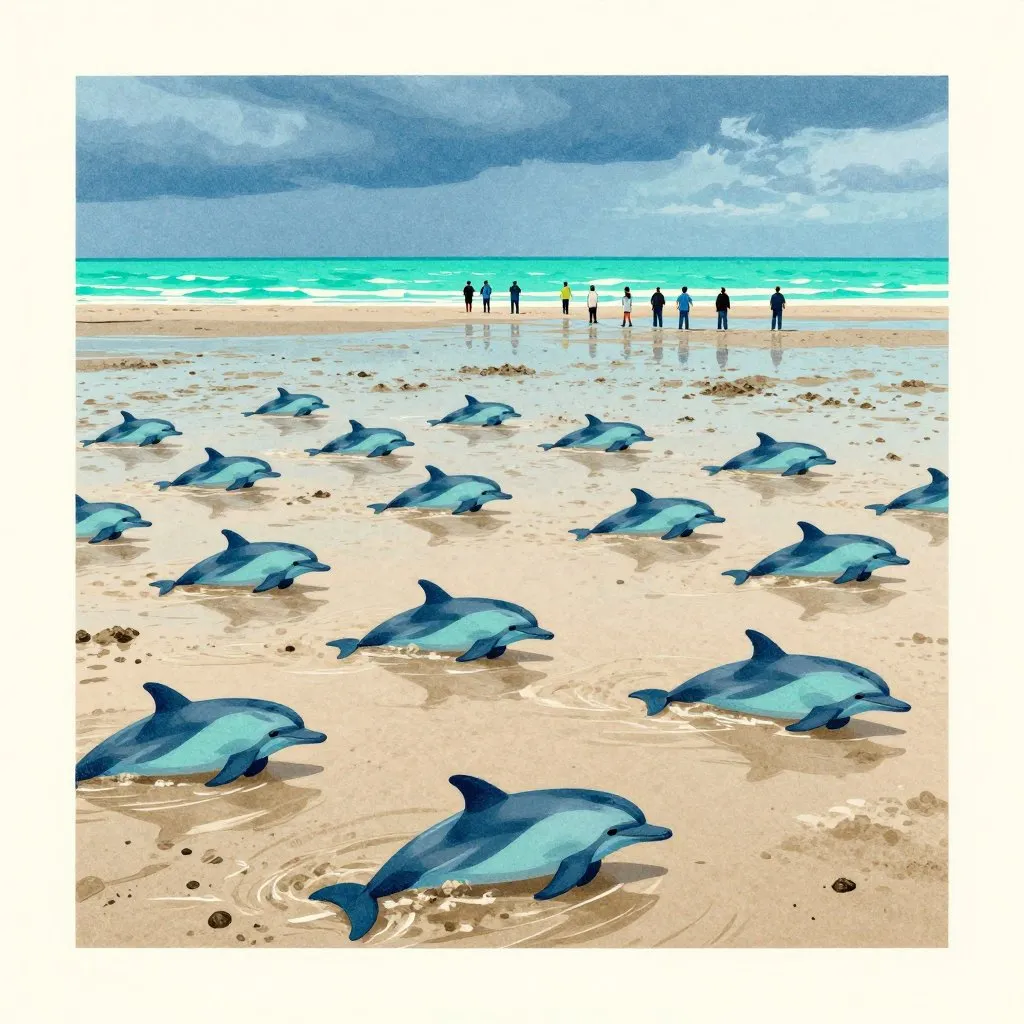
On the morning of June 28, 2024, 146 Atlantic white-sided dolphins followed each other into those shallows. By the time the tide pulled back, they were stranded. One hundred and forty-six animals, some of them still moving, spread across the mud and unable to reach water deep enough to swim.
The Call Goes Out
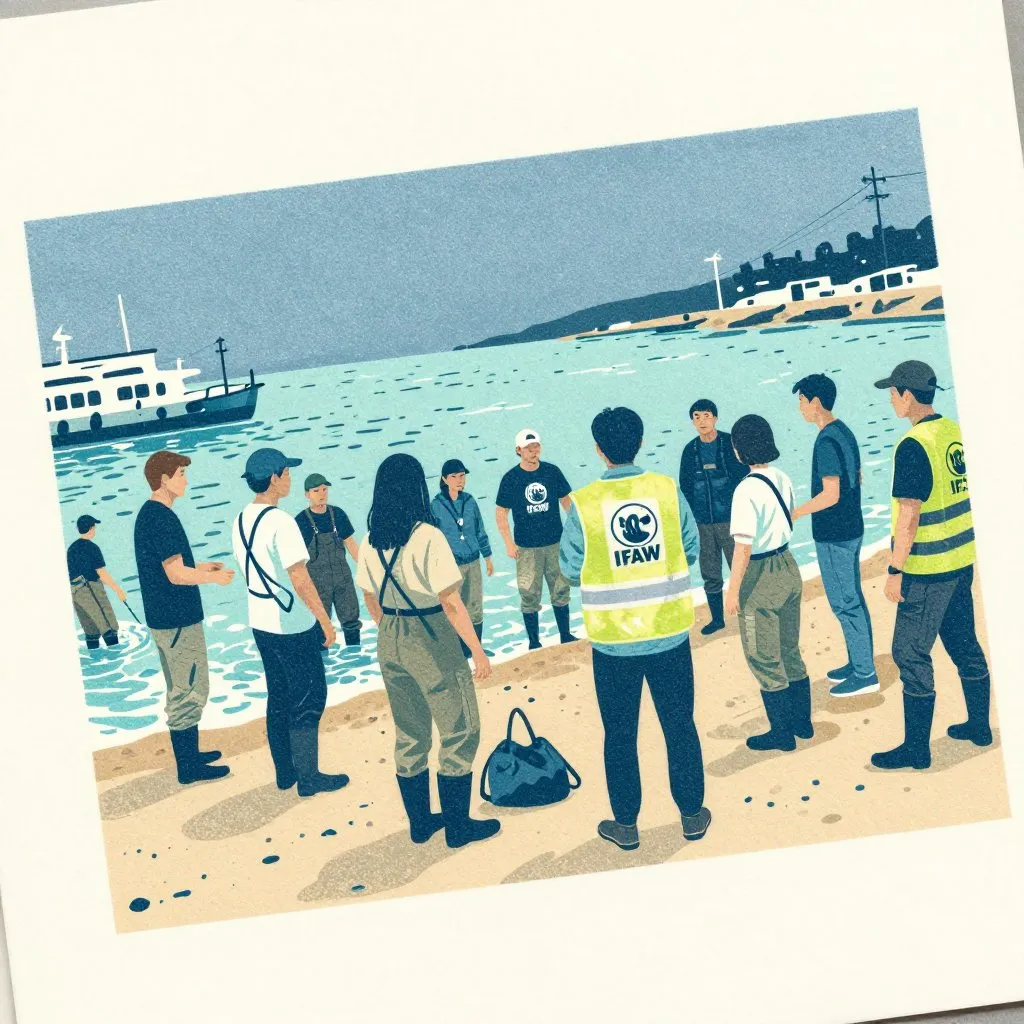
IFAW, the International Fund for Animal Welfare, runs a marine mammal rescue program based on Cape Cod. When the call came in, they moved fast. They also put the word out: they needed hands.
Hundreds of volunteers showed up. People who had been at the beach, people who had driven in from nearby towns, people who had heard the news and decided that was where they needed to be that morning. They gathered at the water's edge and took direction from the IFAW team.
Knee-Deep in Mud
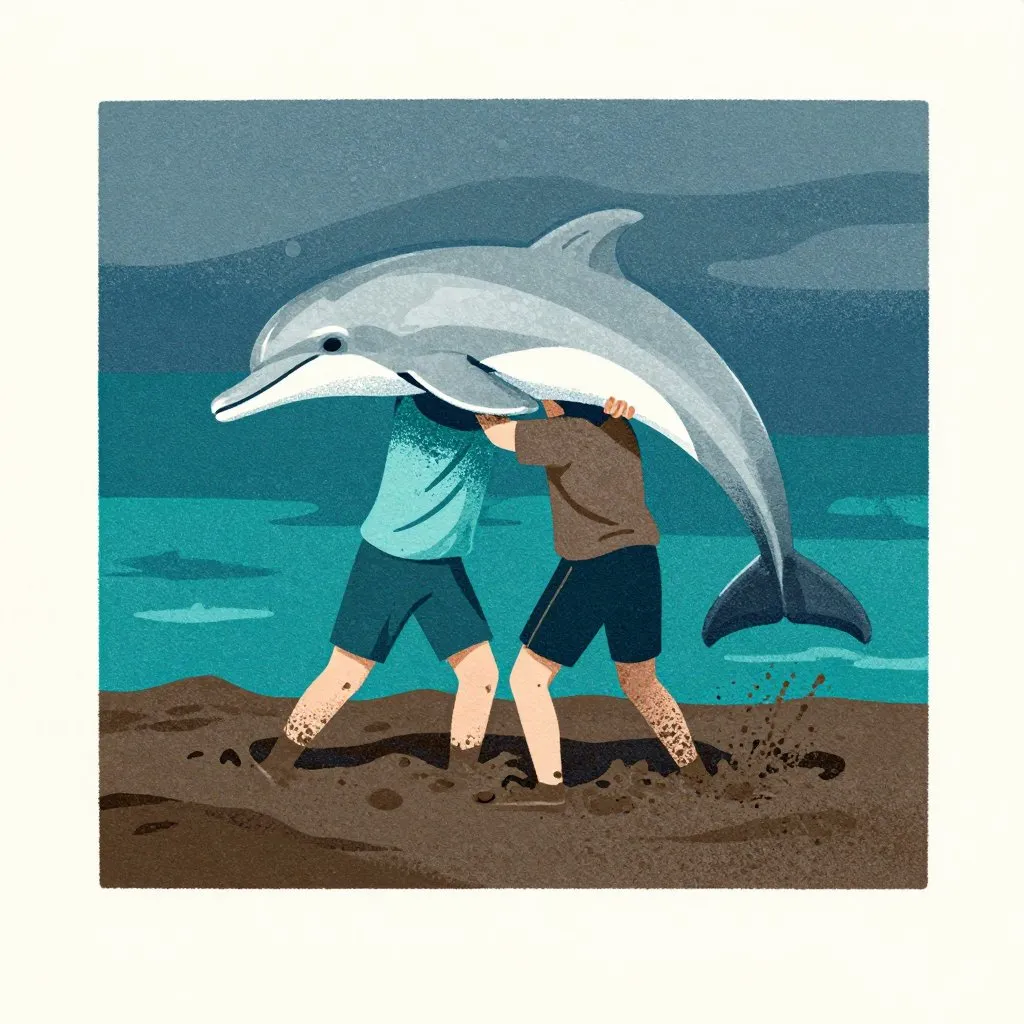
The mud at Wellfleet is not the clean sand of a postcard beach. It is thick, cold, and soft enough to swallow a boot. Every step toward the dolphins was a fight, and every step back carrying one was harder.
Rescuers waded in and got under the animals. Atlantic white-sided dolphins are not small: adults reach around seven feet and weigh up to 400 pounds. A person carrying a dolphin through knee-deep mud is working at the edge of what a person can do. They did it over and over, for hours.
Keeping Them Alive in Place
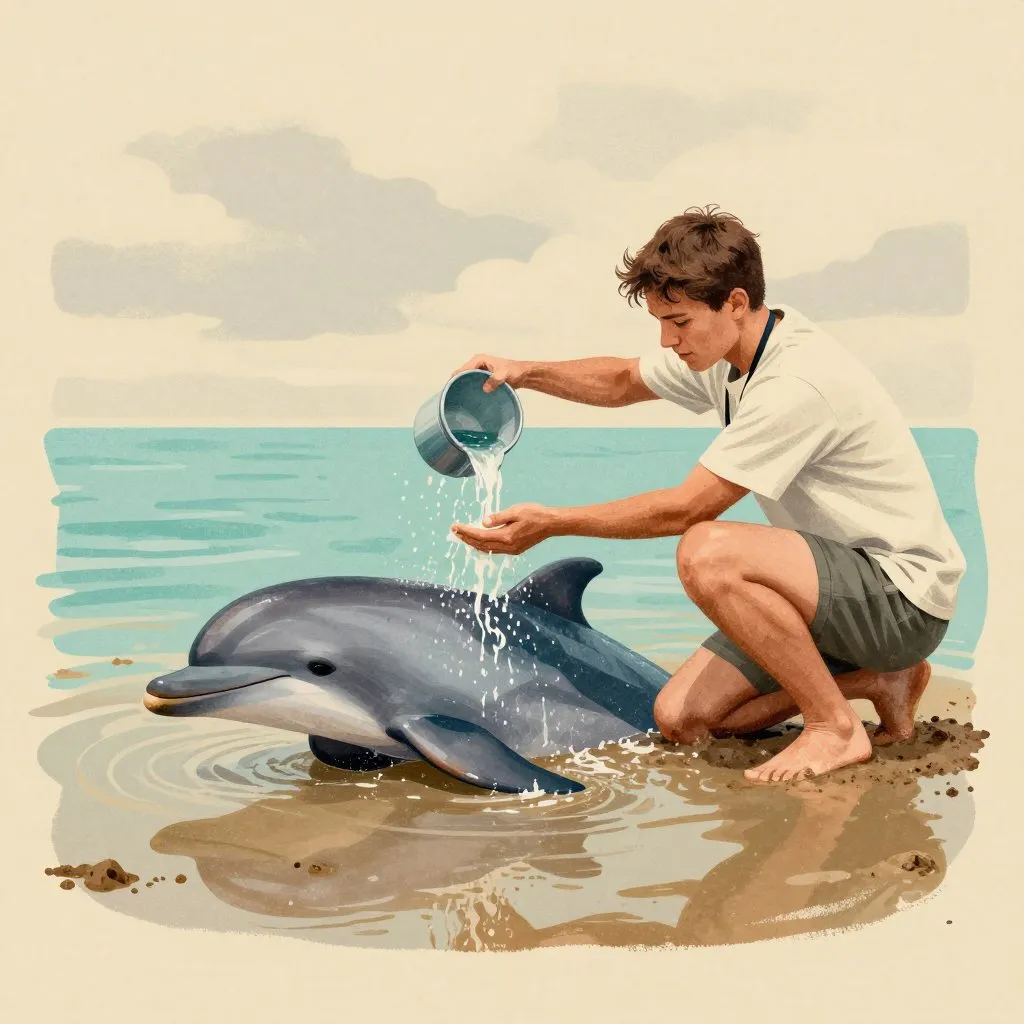
Not every dolphin could be moved to deeper water right away. For those that had to wait, rescuers worked to keep them stable: holding their blowholes above water, pouring seawater over their bodies to prevent overheating, talking to them in low voices to keep them calm.
The tide would not be rushed. The rescue had to work around it. Some animals waited a long time, surrounded by strangers who had driven from wherever they were to stand in cold mud and help.
102 Out of 146
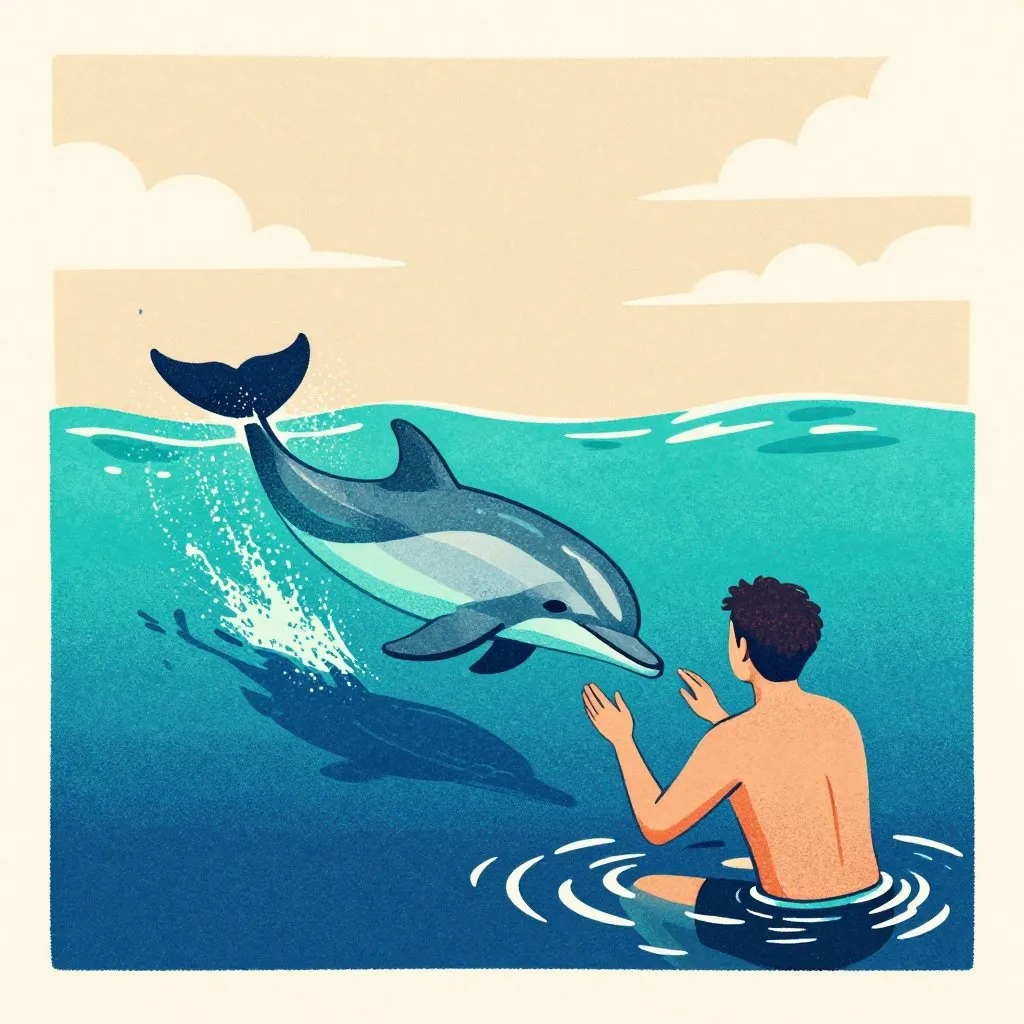
By the end of the day, the count was final. Of the 146 dolphins that had stranded that morning, 102 had been guided back to deeper water and had swum away under their own power. That is a survival rate of nearly 70 percent.
It is also the highest number of survivors ever recorded in a single-event dolphin mass stranding in the United States. IFAW teams tagged the surviving dolphins before release and tracked them in the days that followed. The animals stayed at sea.
What the Record Shows
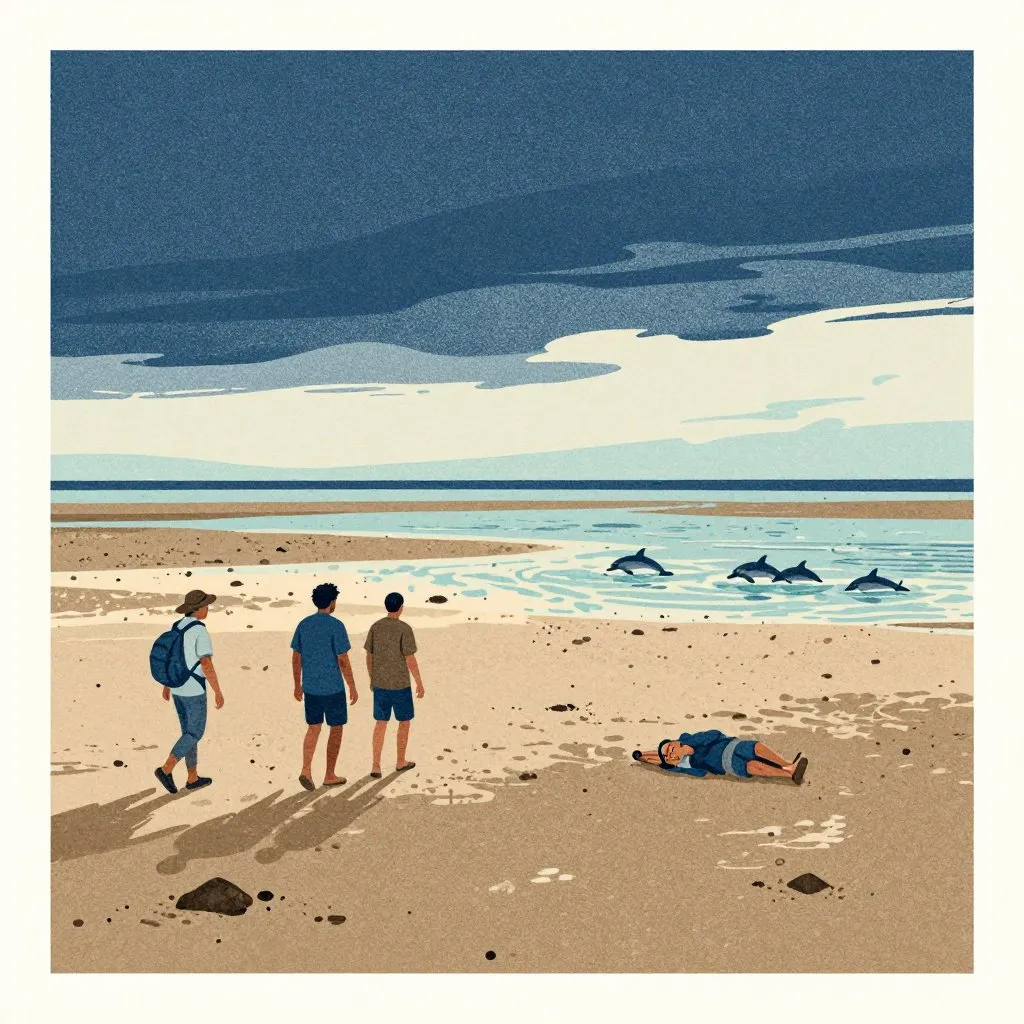
The stranding at Wellfleet Harbor on June 28, 2024 is now part of the official record: the largest single-event dolphin mass stranding in documented U.S. history. The number alone is striking. But the 44 dolphins that did not survive are also part of the record. Rescuers held them, too.
What the volunteers left behind when they walked off that mud flat was something harder to put in a record: the particular knowledge of what it feels like to carry a dolphin through deep mud toward the water, and to feel it start to swim again.
Field Notes
- On June 28, 2024, a pod of 146 Atlantic white-sided dolphins stranded on the mud flats of Wellfleet Harbor on Cape Cod, Massachusetts.
- It was the largest single-event dolphin mass stranding in United States recorded history.
- IFAW (International Fund for Animal Welfare) led the rescue alongside hundreds of community volunteers who responded on the day.
- The mud conditions in Wellfleet Harbor were physically severe. Rescuers had to carry dolphins through knee-deep mud to reach deeper water.
- 102 of the 146 dolphins survived, a survival rate of approximately 70 percent. The surviving animals were tagged and tracked to confirm they remained at sea.
Support IFAW
IFAW, the International Fund for Animal Welfare, works to rescue and protect animals around the world. Their marine mammal rescue team on Cape Cod responds to strandings year-round and trains the volunteers who make rescues like this one possible.
Support IFAW