The Tank in Napier
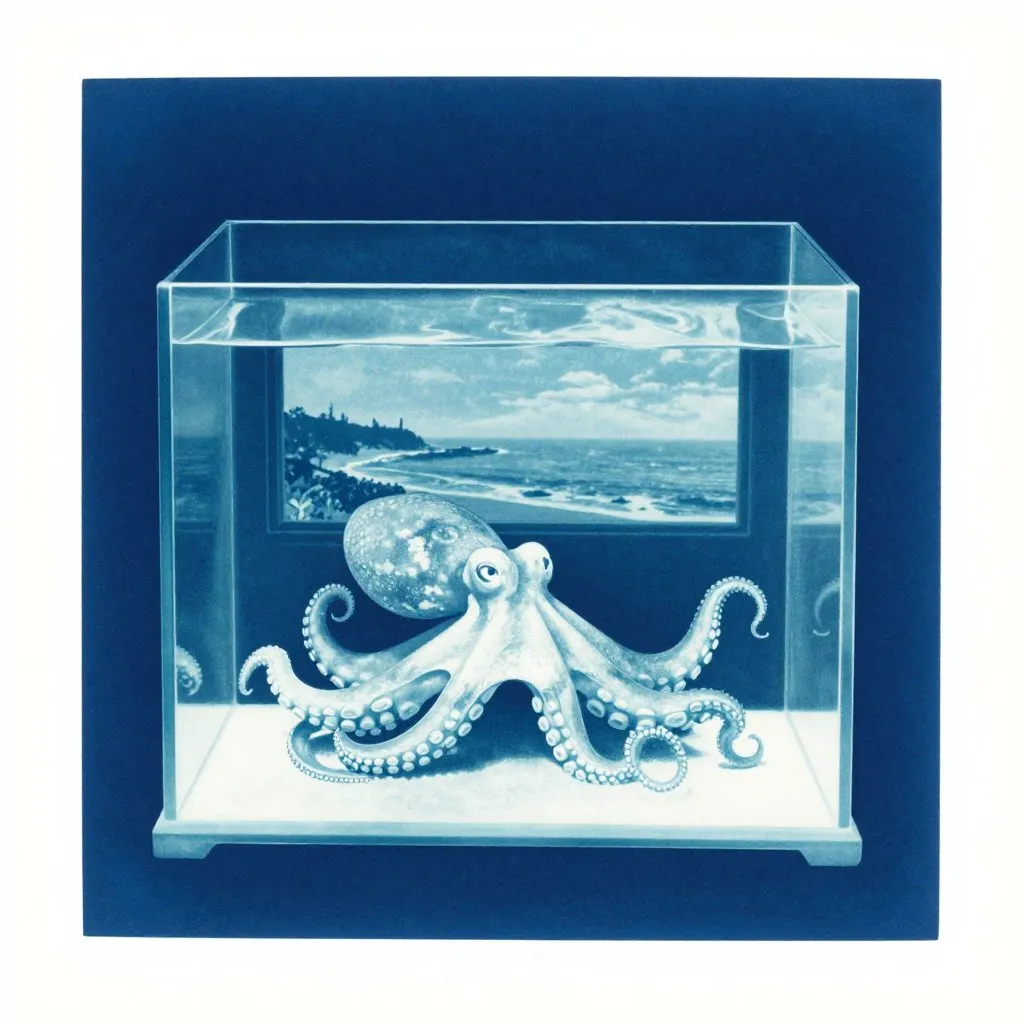
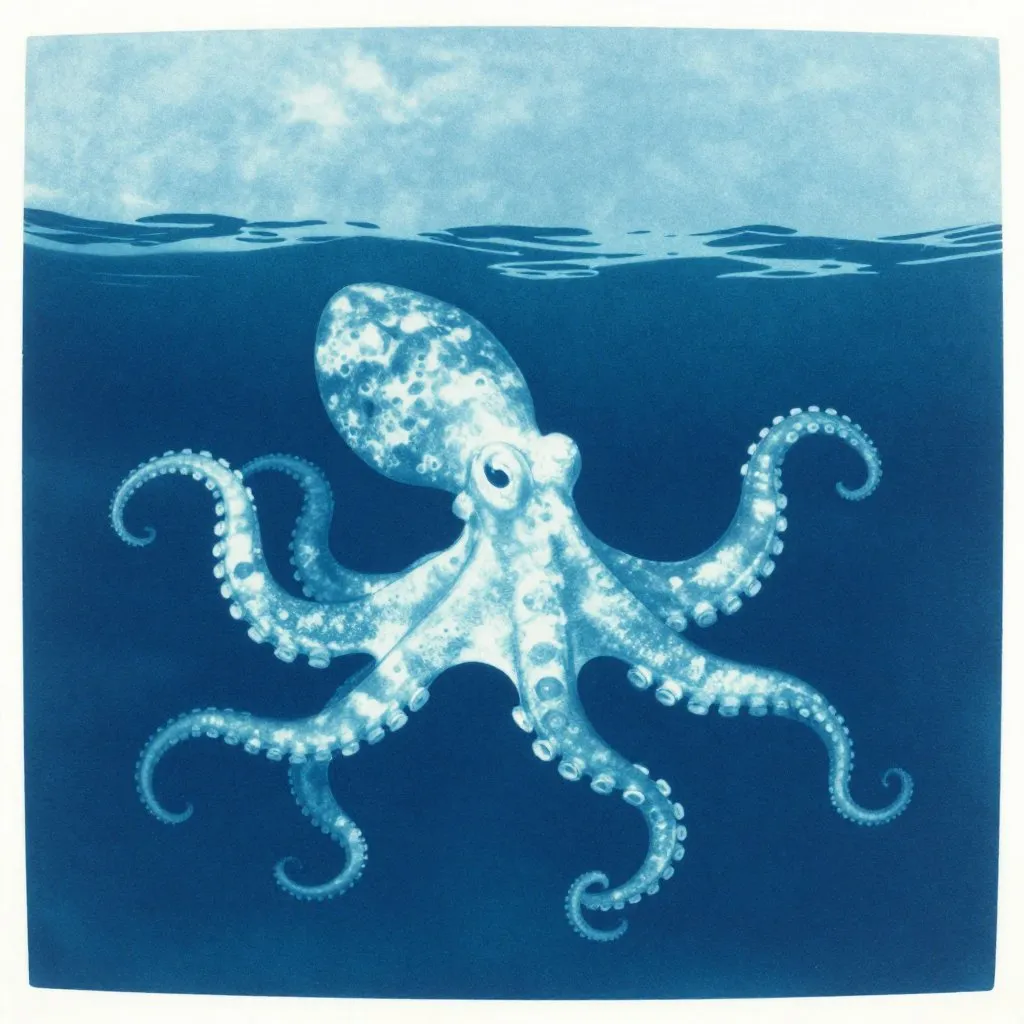
The National Aquarium of New Zealand sits in Napier, on the eastern coast of the North Island, where the Pacific comes in hard off the bay. Inky lived there in a tank with another octopus named Blotchy. The tank had a lid. The lid had a small gap.
Inky was a common octopus, which is a misleading name. There is nothing common about an animal with three hearts, nine brains, blue blood, and the ability to reshape itself to fit through a hole the size of a coin.
The Gap in the Lid
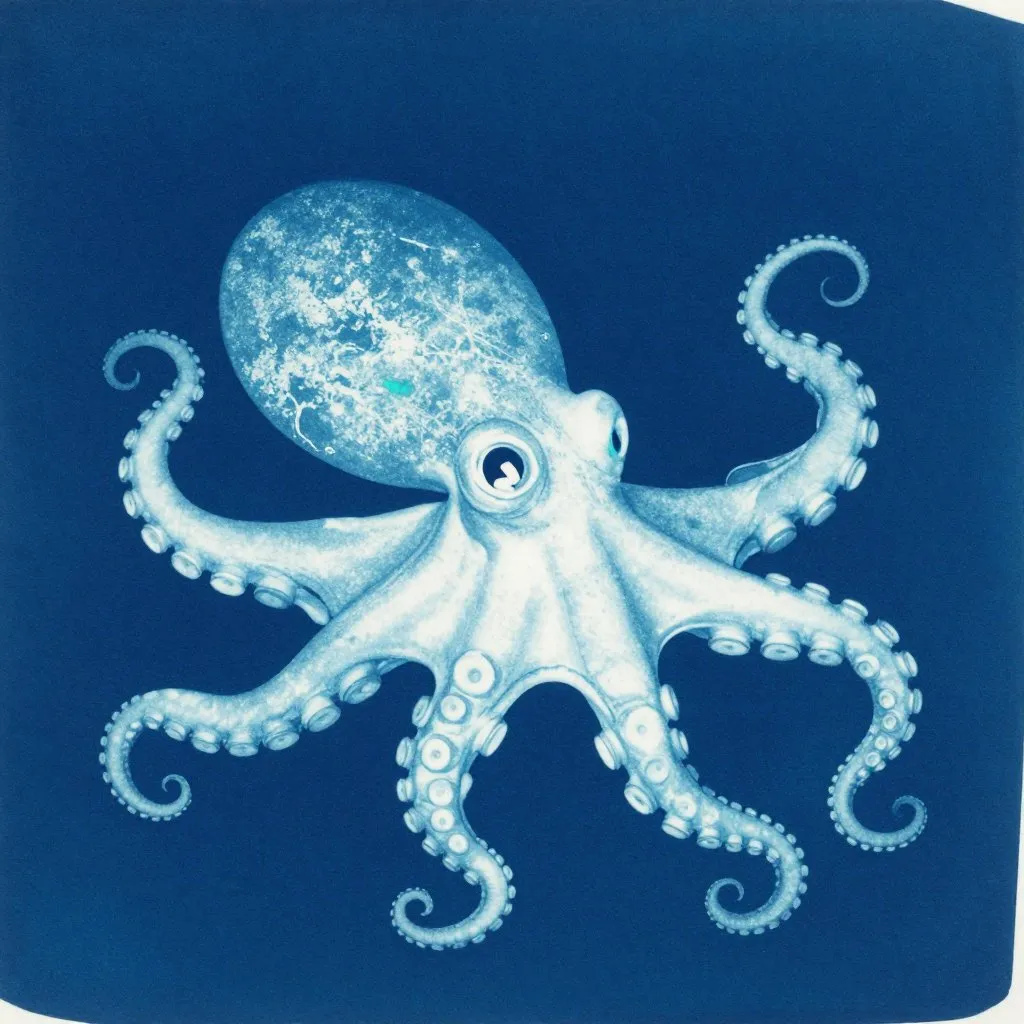
At some point during the night, Inky moved to the top of his tank and found the gap. Staff would later estimate it at roughly 50mm across: about two inches. For a human, that's nothing. For an octopus, that's a door.
The only hard part of an octopus is its beak. Everything else: muscle, organ, the whole intelligent bulk of it, can compress and flow. Inky went through the gap headfirst, or perhaps beakfirst, and came out the other side onto the aquarium floor.
Crossing the Floor
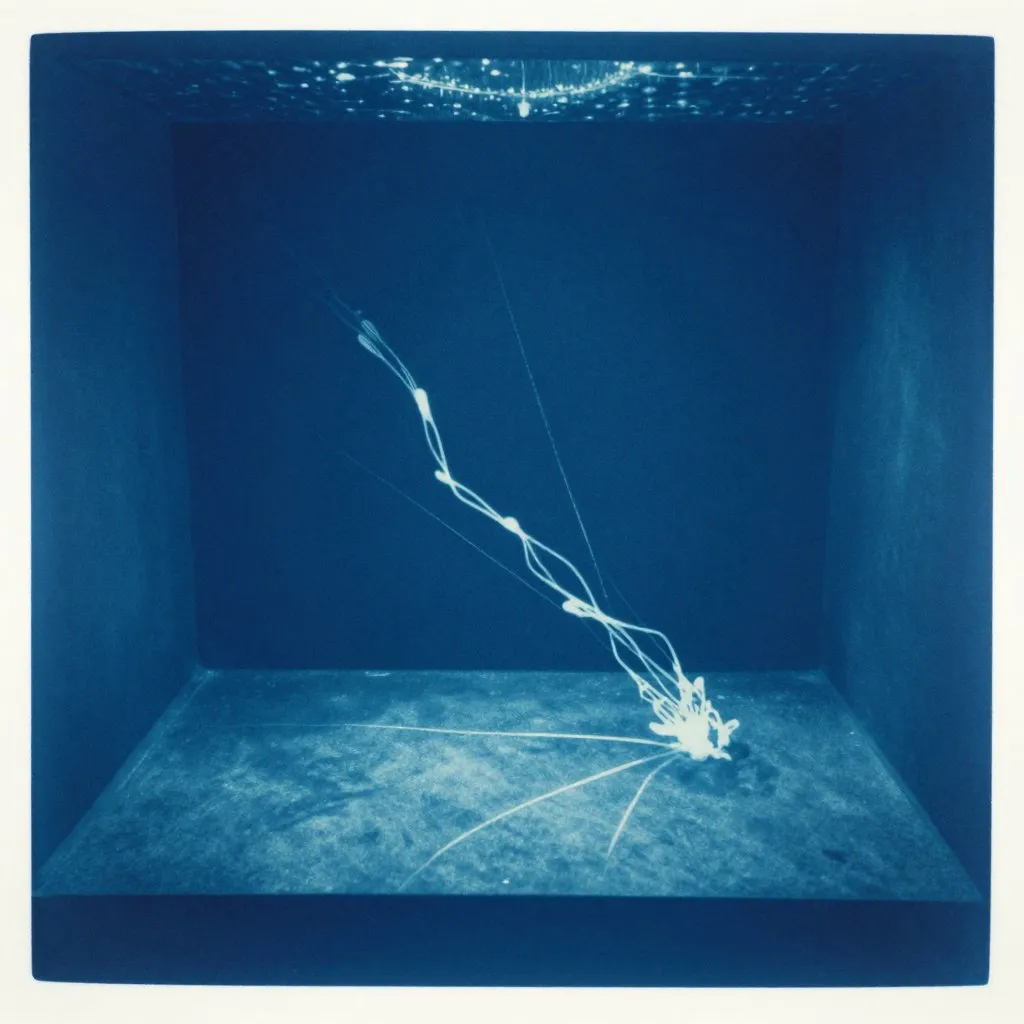
He did not rush. That is the remarkable part. Aquarium staff reconstructed his route the next morning from the wet marks left behind on the floor: a trail of damp, deliberate movement from the tank to the far wall. He had crossed the entire aquarium.
No one saw him do it. No alarm went off. He moved in the dark, across a floor he had never touched before, toward a destination he had no way of knowing about. Except that he found it.
The Drain Pipe
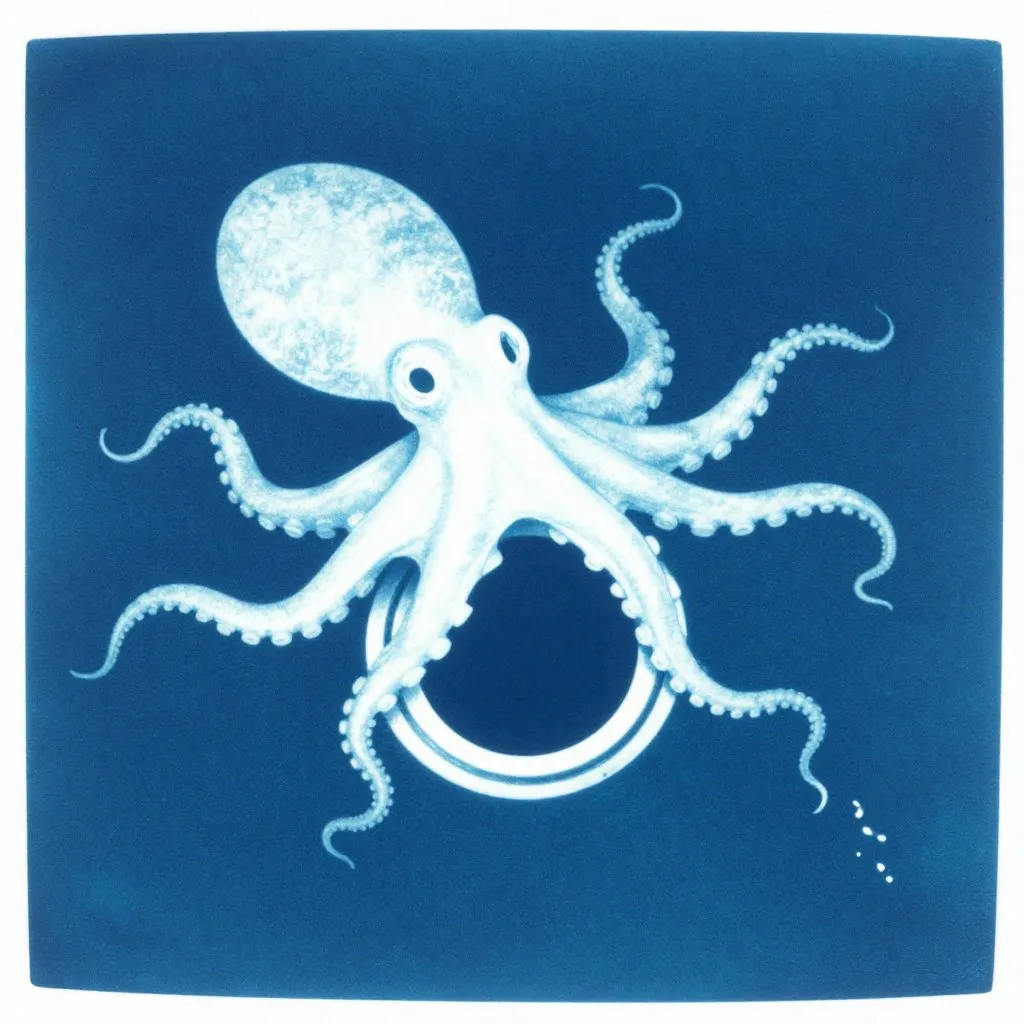
Along the wall, there was a drain pipe. It ran from the aquarium floor down through the building and out into Hawke's Bay. The pipe was approximately 50mm in diameter. The same width as the gap in the lid.
The wet marks ended at the pipe. There was nothing after that. Staff could not tell whether Inky had hesitated, tested the opening, considered his options. The floor gave up no information about what he had thought. Only what he had done.
Blotchy Stayed
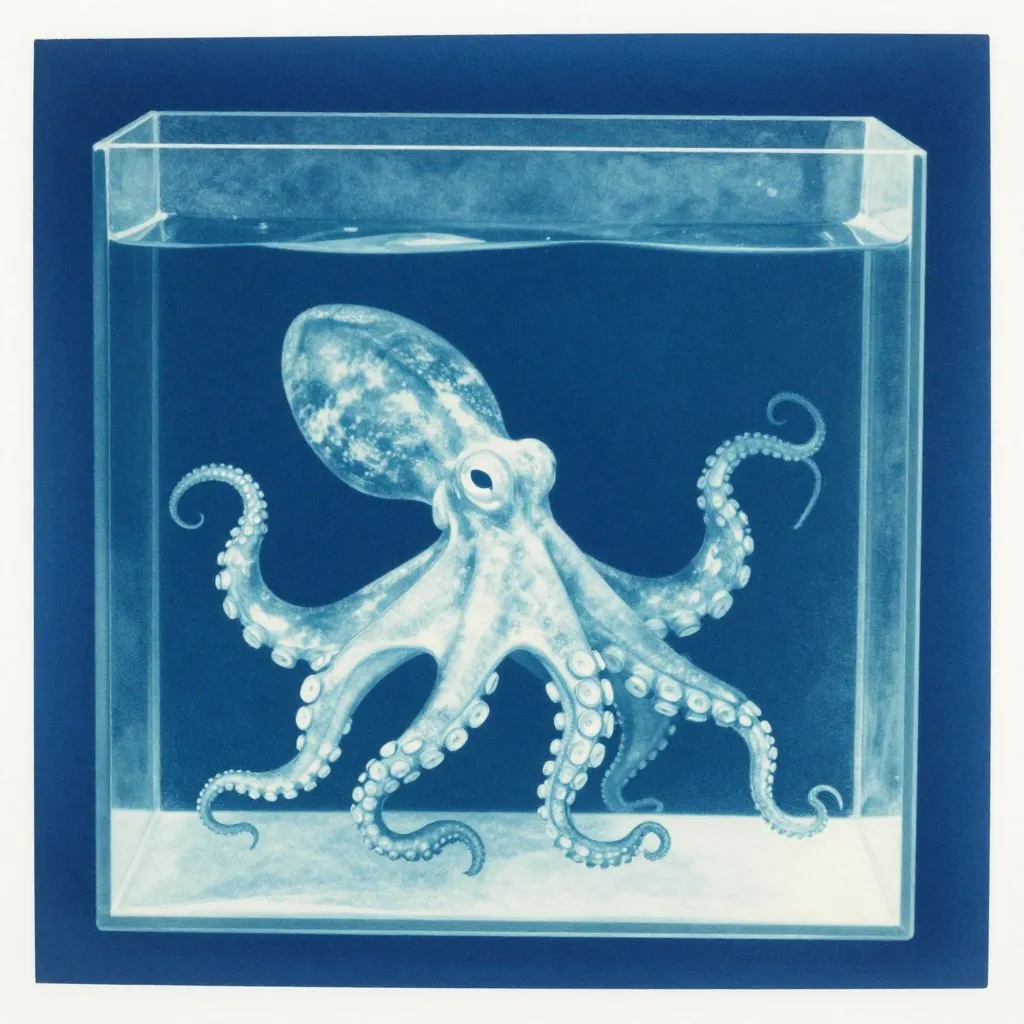
When staff arrived in the morning, Blotchy was still in the tank. He was fine. He had apparently watched whatever Inky did, or hadn't watched, or had simply made a different calculation. No one can say. Octopuses are not social animals in the way dogs or crows are social. What Blotchy understood about that night is not knowable.
Aquarium manager Rob Yarrell told reporters he was not too surprised. "Octopuses are famous escape artists," he said. "But Inky was particularly talented and very curious." He said it without apparent resentment.
The Open Ocean
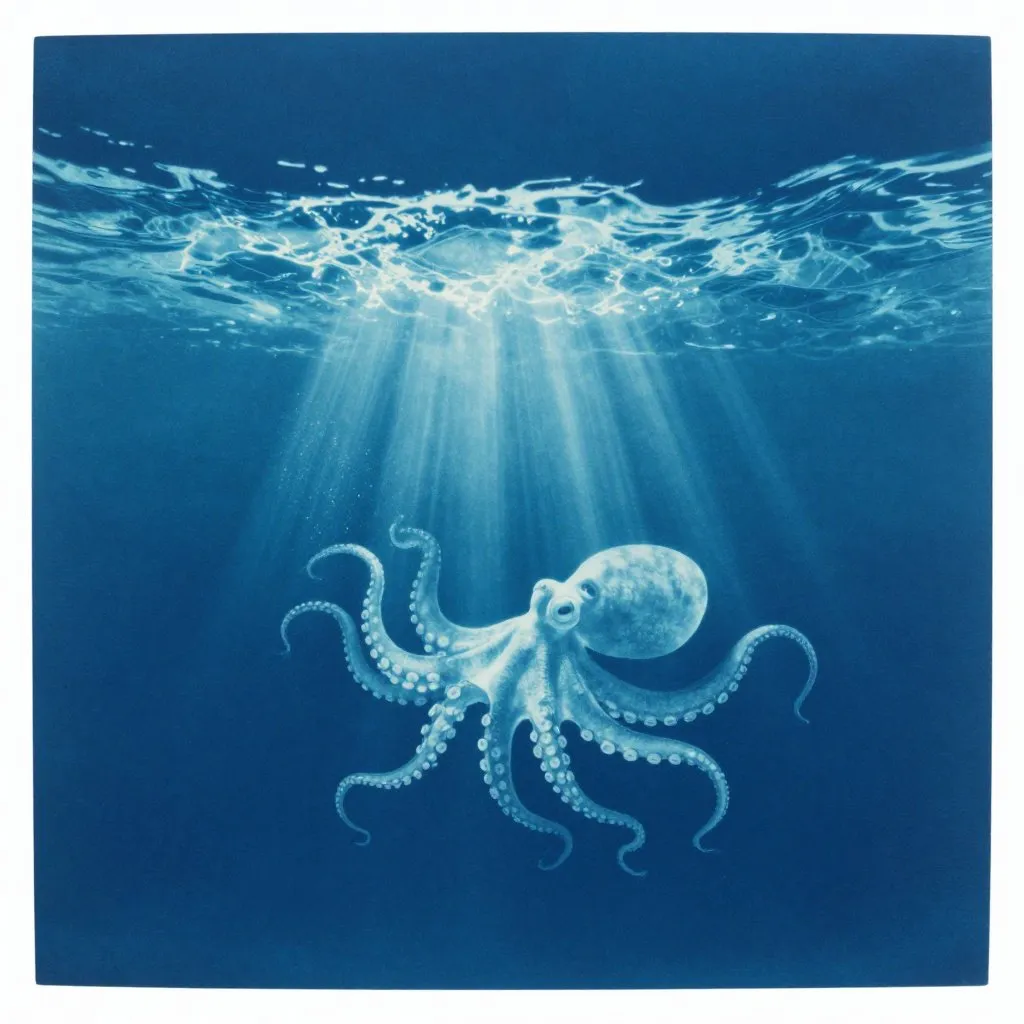
Inky was never found. Hawke's Bay opens into the South Pacific, a body of water that has been hosting octopuses for hundreds of millions of years, long before there were aquariums, long before there were drain pipes, long before there was anyone to notice a gap in a lid.
He left no note. He left wet marks on the floor and a story that spread around the world. Somewhere out in that water, or not, he found whatever it was he was moving toward. He did not need anyone to know.
Field Notes
- Inky escaped from the National Aquarium of New Zealand in Napier in April 2016, squeezing through a gap in his tank lid estimated at approximately 50mm wide.
- Octopuses have no rigid skeleton. Their only hard body part is their beak, which means they can compress themselves through any opening large enough to fit the beak.
- Aquarium staff reconstructed Inky's escape route using wet marks left on the floor, tracing his path from the tank to a drain pipe that led to Hawke's Bay and the open ocean.
- Inky's tank-mate, an octopus named Blotchy, did not attempt to escape and remained in the tank.
- Inky was never recovered. Aquarium manager Rob Yarrell said publicly that he hoped Inky was "enjoying his freedom."
Support New Zealand Conservation
The New Zealand Department of Conservation manages the country's natural and historic heritage, protecting native wildlife and the ocean ecosystems that sustain it.
Support New Zealand Conservation