A Mark Like No Other
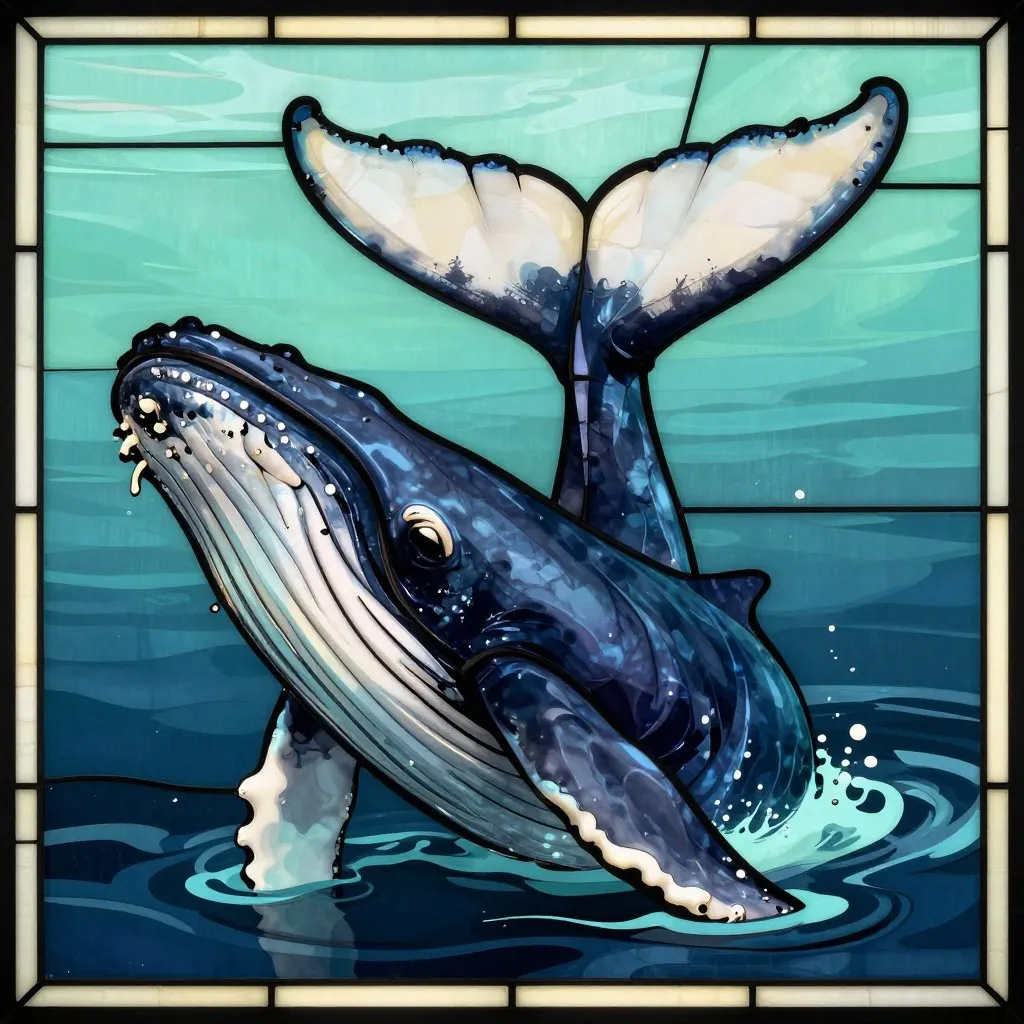
Every humpback whale carries a signature on the underside of its tail flukes. The pattern of black and white, of scars and markings, is as individual as a fingerprint. No two are exactly alike. Researchers have spent decades photographing these flukes, building libraries of known whales, learning to tell one from another by the marks they carry.
This particular whale was one they had seen before. His flukes were distinctive enough to be certain. When his photo turned up far from where they expected, they looked again. Then they looked at a map.
The Route No One Expected
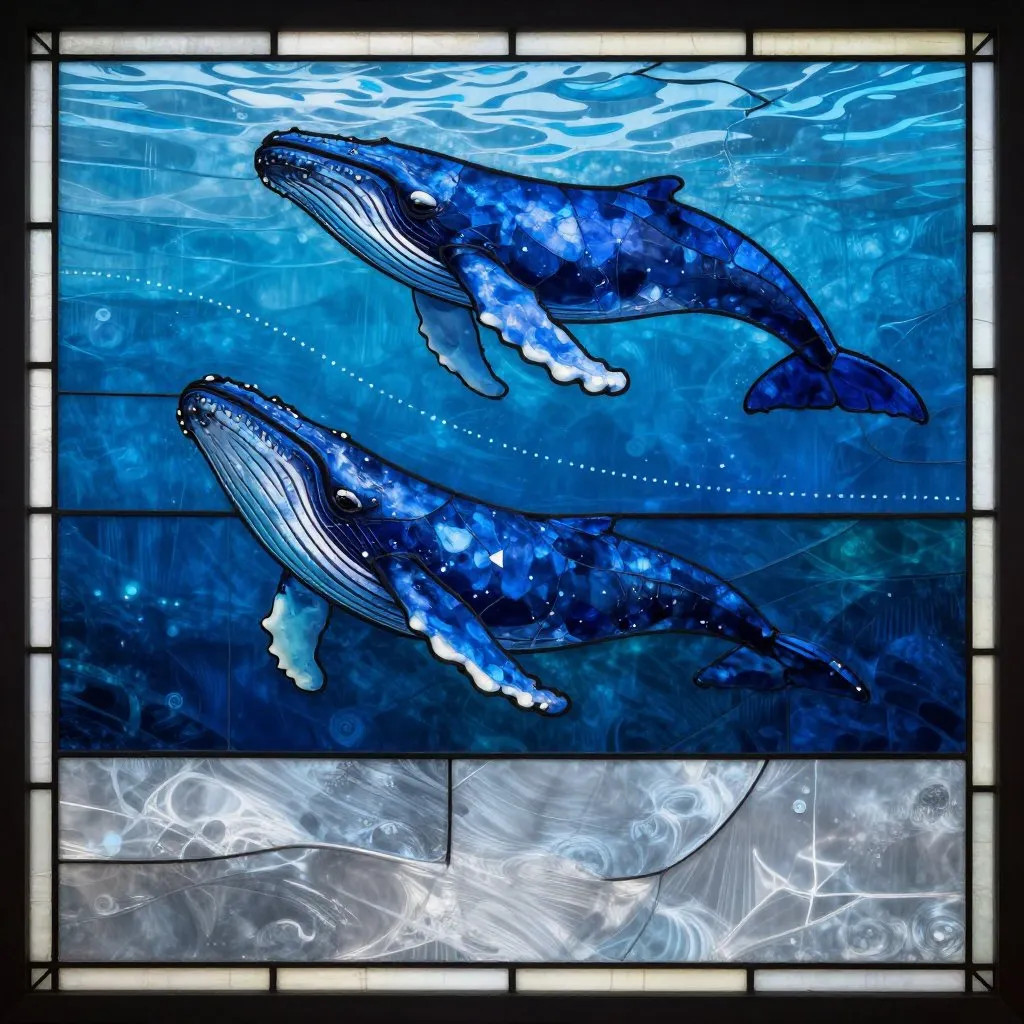
Humpback whales follow predictable paths. They feed in cold polar waters during summer, then travel to warm tropical breeding grounds in winter. The routes vary by population, but the logic holds: cold water for eating, warm water for mating, and back again each year.
This whale had other plans. Instead of turning toward a known breeding ground, he kept going. And going. By the time researchers pieced together the photo records, they had traced a path that crossed portions of three ocean basins. The total distance: more than 8,100 miles.
How You Track a Whale
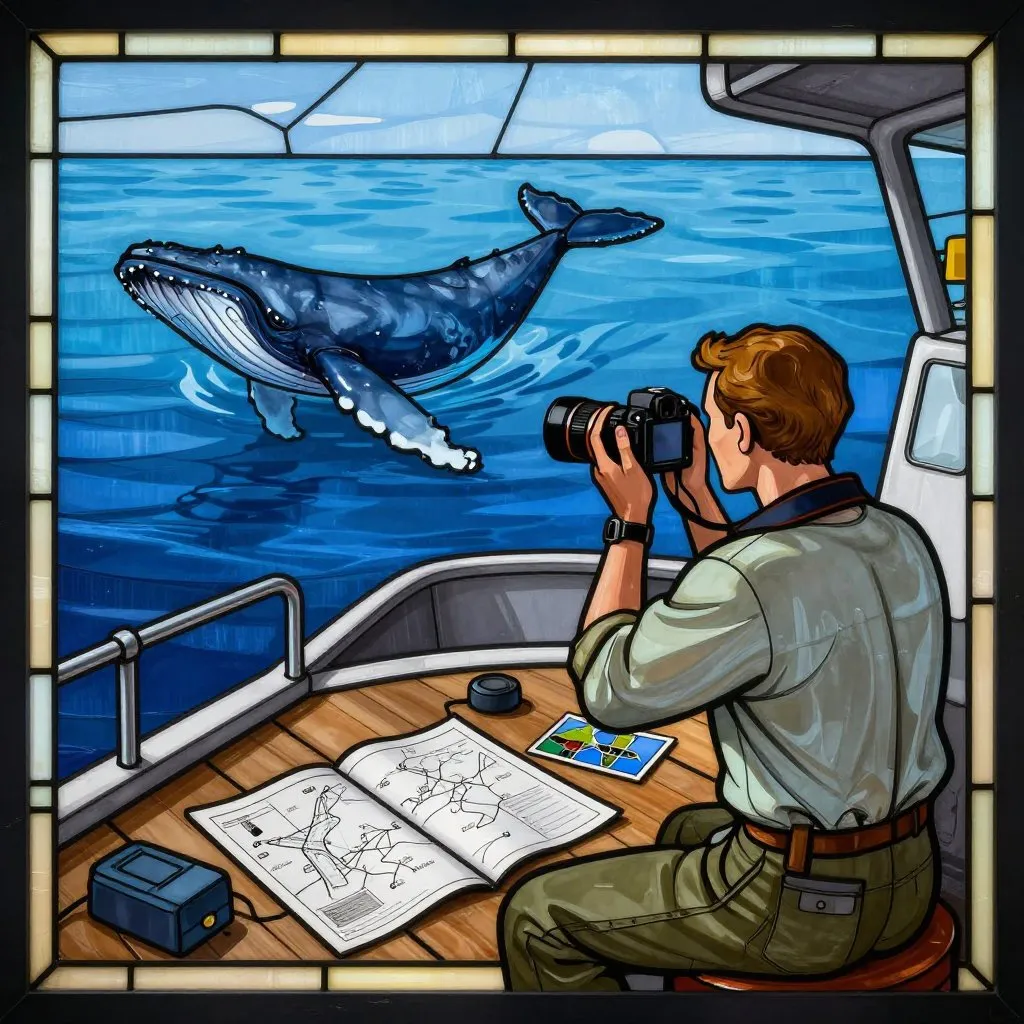
No one followed this whale in real time. No tracker pinged from a satellite as he swam. The route was reconstructed after the fact, stitched together from photographs taken years apart by different researchers in different parts of the ocean, each one adding a data point to a story no one knew they were collecting.
Photo-identification is patient science. You take the picture, you log the location and date, you add it to the archive. Years later, someone looks for matches and finds a whale in two places that don't make sense together. That mismatch is where the discovery begins.
The Questions That Followed
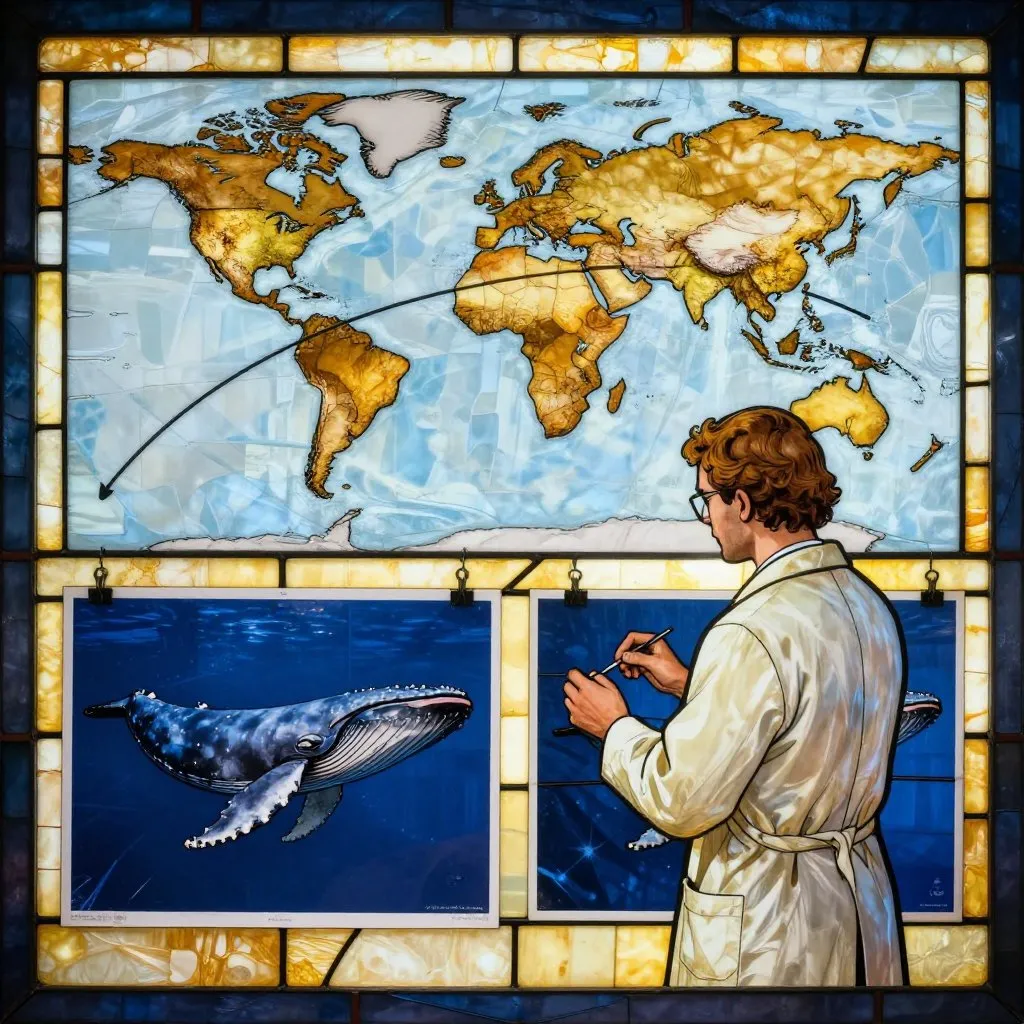
The finding was published in Royal Society Open Science. The authors were careful not to overstate what they knew. They had the photos. They had the distances. What they did not have was an explanation. Why would a humpback whale travel 8,100 miles beyond the range that humpbacks typically use? What was he looking for? What did he find?
Scientists offered possibilities. A search for a mate in unfamiliar territory. A response to changes in food availability. A navigation error at a scale hard to imagine. None of these answers felt complete. The whale had done something extraordinary, and he had done it without leaving any record of his reasons.
What the Ocean Holds
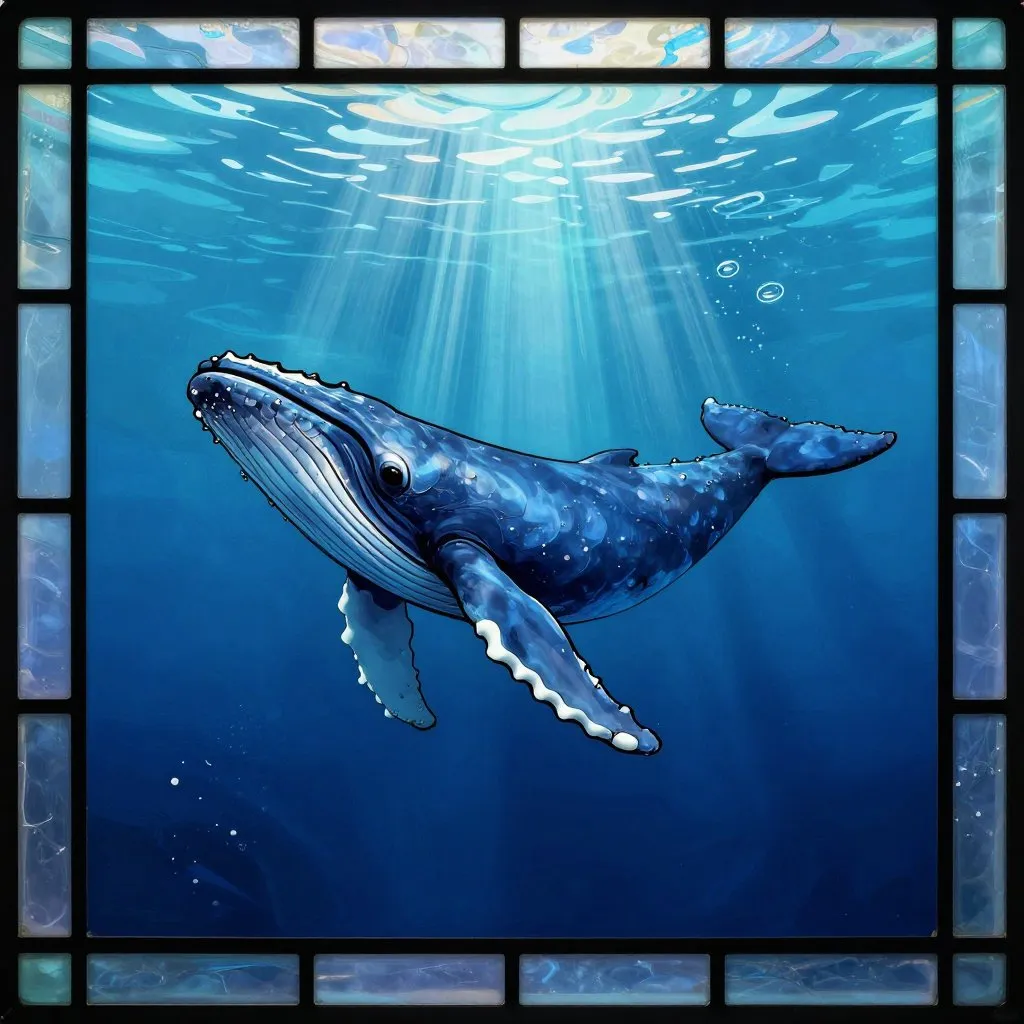
The ocean is large enough that most of what happens in it goes unwitnessed. A whale can cross thousands of miles of open water and the only evidence of the journey is the animal itself, arriving somewhere unexpected, flukes still bearing the marks that make identification possible.
Researchers have now documented thousands of individual humpbacks. Each photograph is a check-in. Together, the archive reveals patterns: where populations go, what routes they favor, how individuals move across decades of observation. This whale fit none of the patterns. Which means the patterns are not the whole story.
Still Swimming
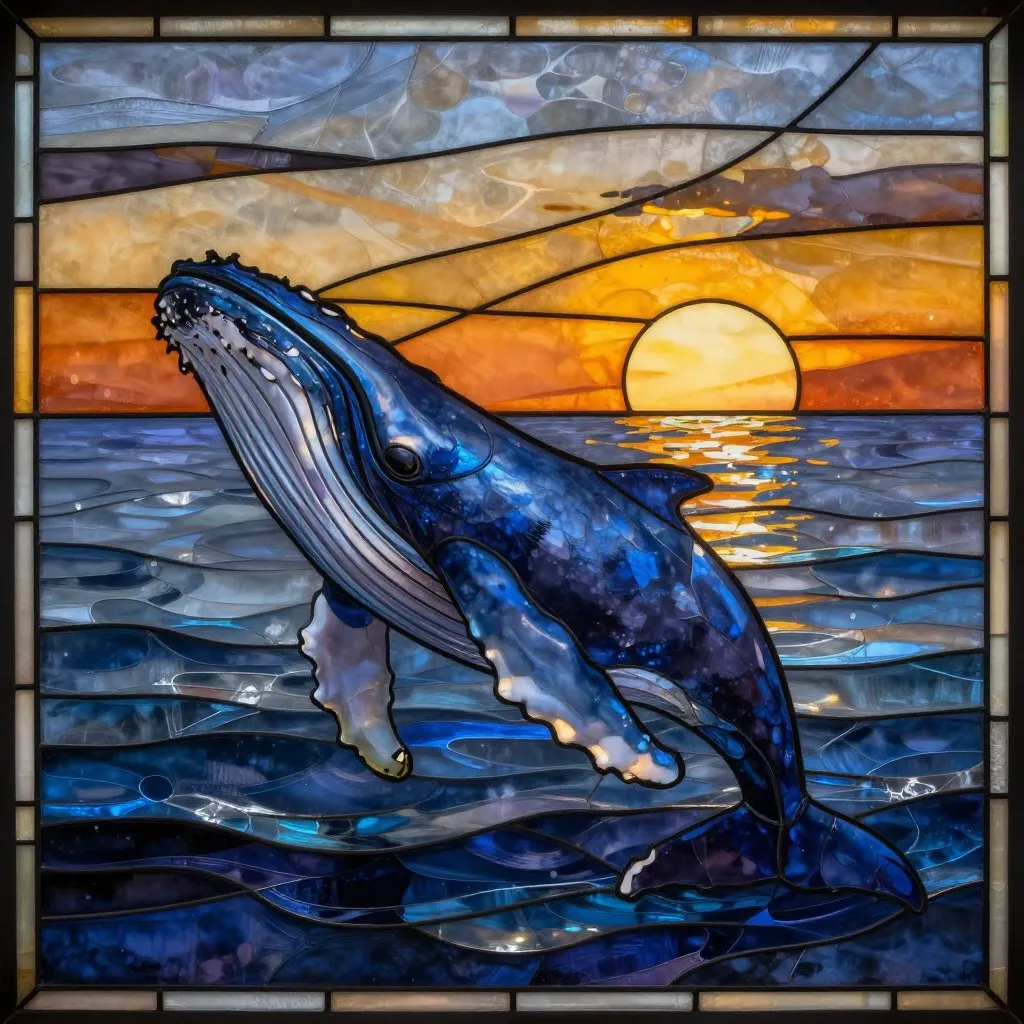
The whale is out there somewhere. Humpbacks can live for 80 to 90 years, and he has no reason to stop moving. He may have crossed paths with researchers again since the study was published, his flukes photographed and logged without anyone yet knowing the full map his life is drawing.
The record-breaking journey raised more questions than it answered, which is what good science tends to do. Somewhere in the deep water, a whale is going where he needs to go. The researchers will keep watching. Eventually, the photographs will tell them more.
Field Notes
- A male humpback whale was documented completing the longest known migration ever recorded for a humpback whale: more than 8,100 miles across portions of three ocean basins.
- The journey was not tracked in real time. It was reconstructed from photo-identification records taken at different locations by different researchers over multiple years.
- Individual humpbacks can be reliably identified by the unique black-and-white markings on the underside of their tail flukes.
- The findings were published in Royal Society Open Science, with researchers noting the route extended far beyond typical humpback migration patterns.
- Humpbacks normally travel between cold polar feeding grounds and warm tropical breeding grounds. Why this whale traveled so far beyond that circuit remains unanswered.
Support Whale and Dolphin Conservation
Whale and Dolphin Conservation is a leading global charity dedicated to the protection of whales, dolphins, and their ocean habitats through research, advocacy, and rescue.
Support Whale and Dolphin Conservation