The Lion in the Shop
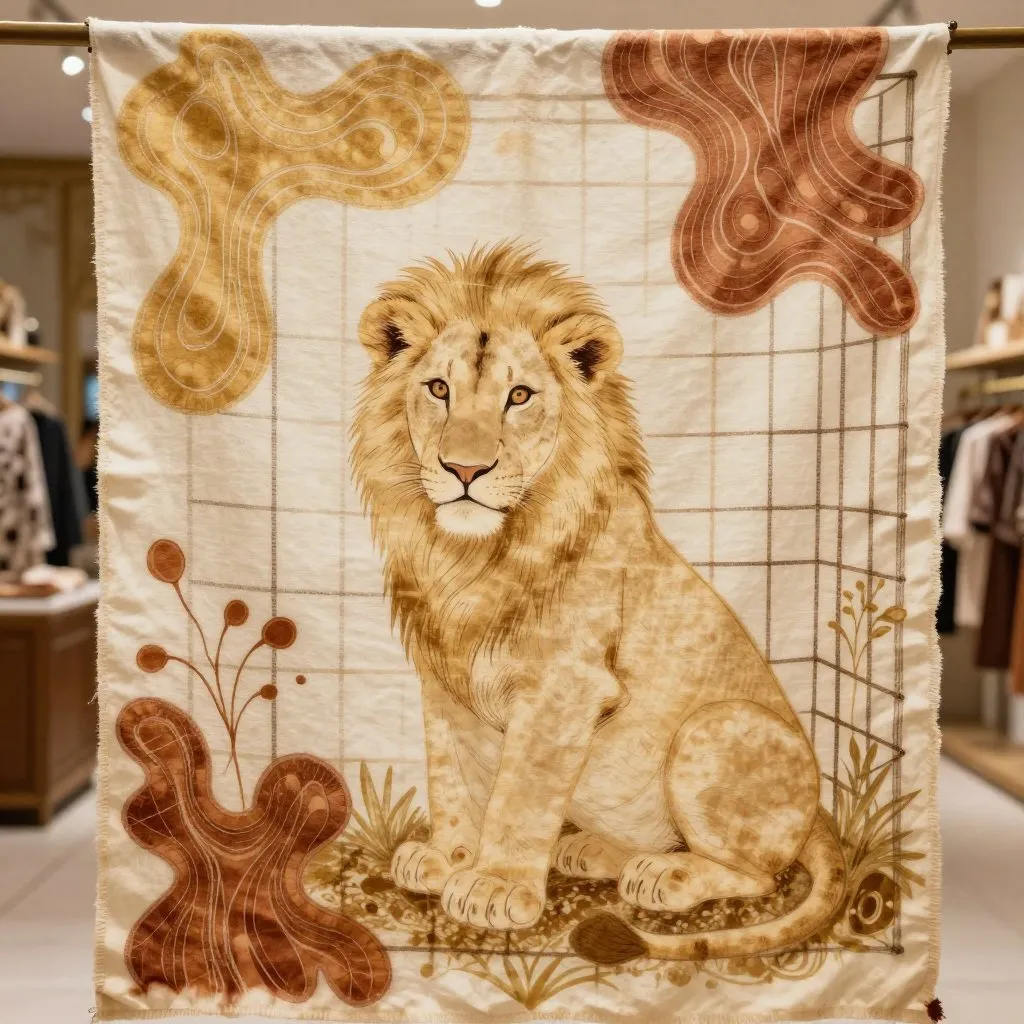
In the winter of 1969, a pet department on the top floor of Harrods in London was selling something unusual: a lion cub. He was small, pale-furred, and sitting behind a wire enclosure between a pair of mink coats. Two young Australians named John Rendall and Ace Berg saw him and could not walk away.
They paid the price, wrapped him in a coat for warmth, and carried him out onto the King's Road. They named him Christian.
A Lion in London
Christian lived in John and Ace's small flat in Chelsea, and spent his days in the garden of a nearby Anglican church where the vicar had agreed to let him roam. He rode in the back of a Ford Mustang with his head out the window. He played on the showroom floor of the furniture shop the two men ran. He grew fast.
By the time he was a year old, Christian weighed 185 pounds and stood chest-high on a man. London was no longer the right place for a lion. Everyone who loved him knew it.
The Plan for Kenya
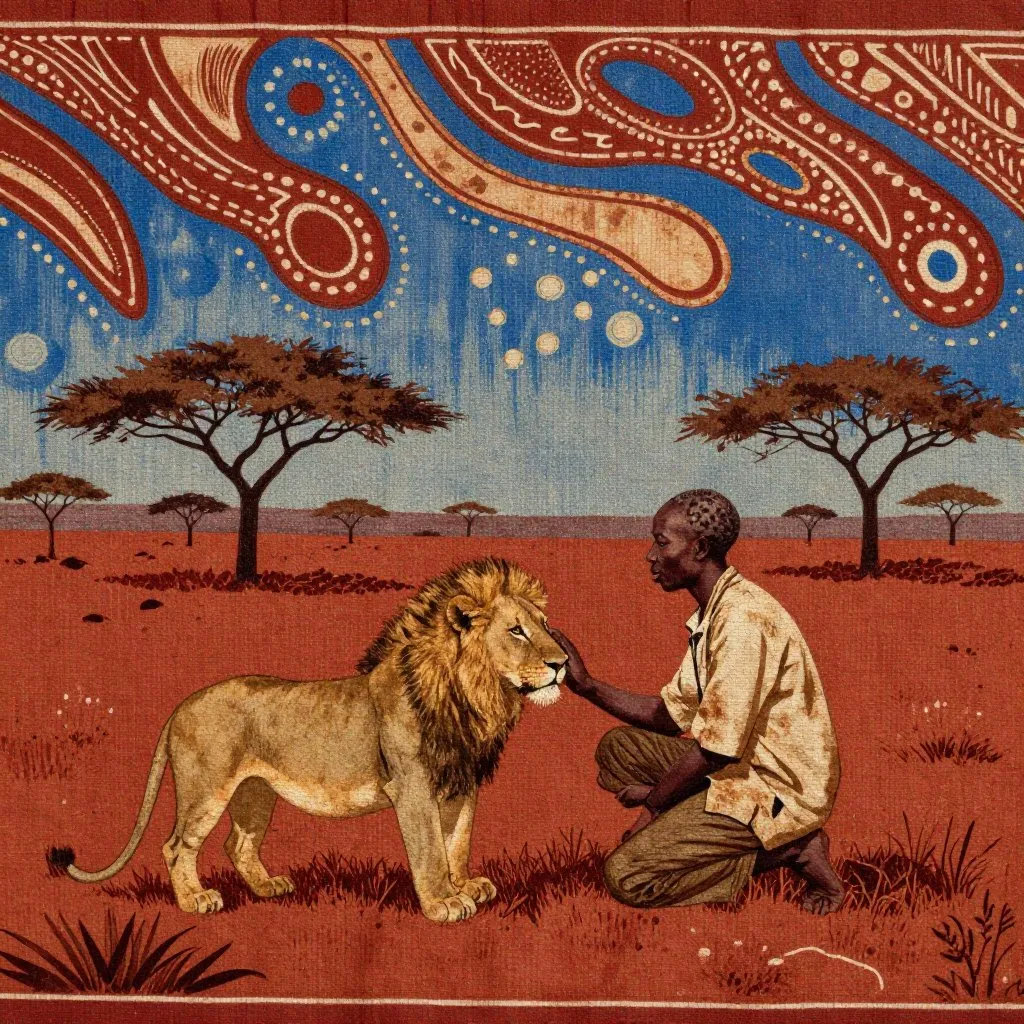
John and Ace wrote to George Adamson, a conservationist working in the Kora Reserve in northern Kenya. Adamson had spent decades rehabilitating captive lions into the wild. He had done it before. He agreed to try with Christian.
In 1970, Christian flew to Kenya and began the slow process of becoming what he was always meant to be. Adamson introduced him to other lions. Taught him to hunt. Watched him take to the land the way water takes to a riverbed.
One Year Gone
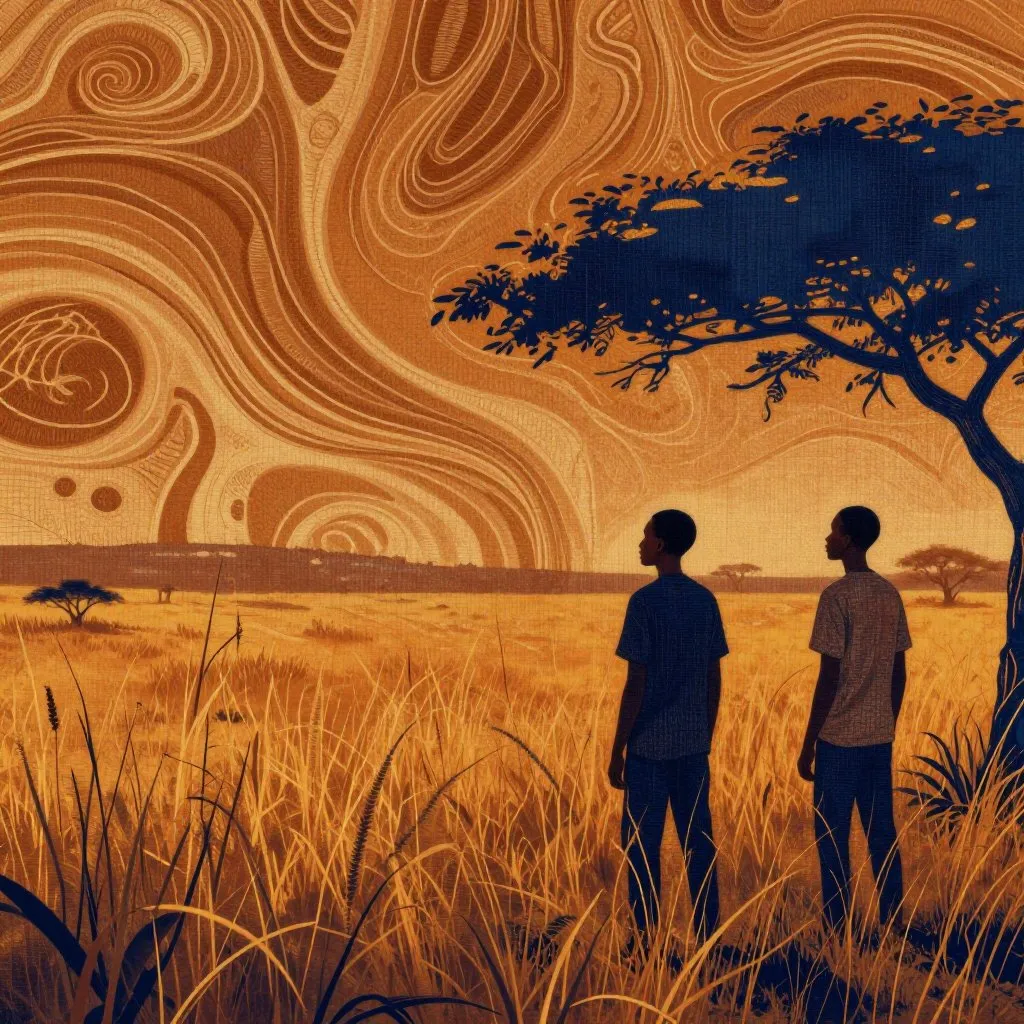
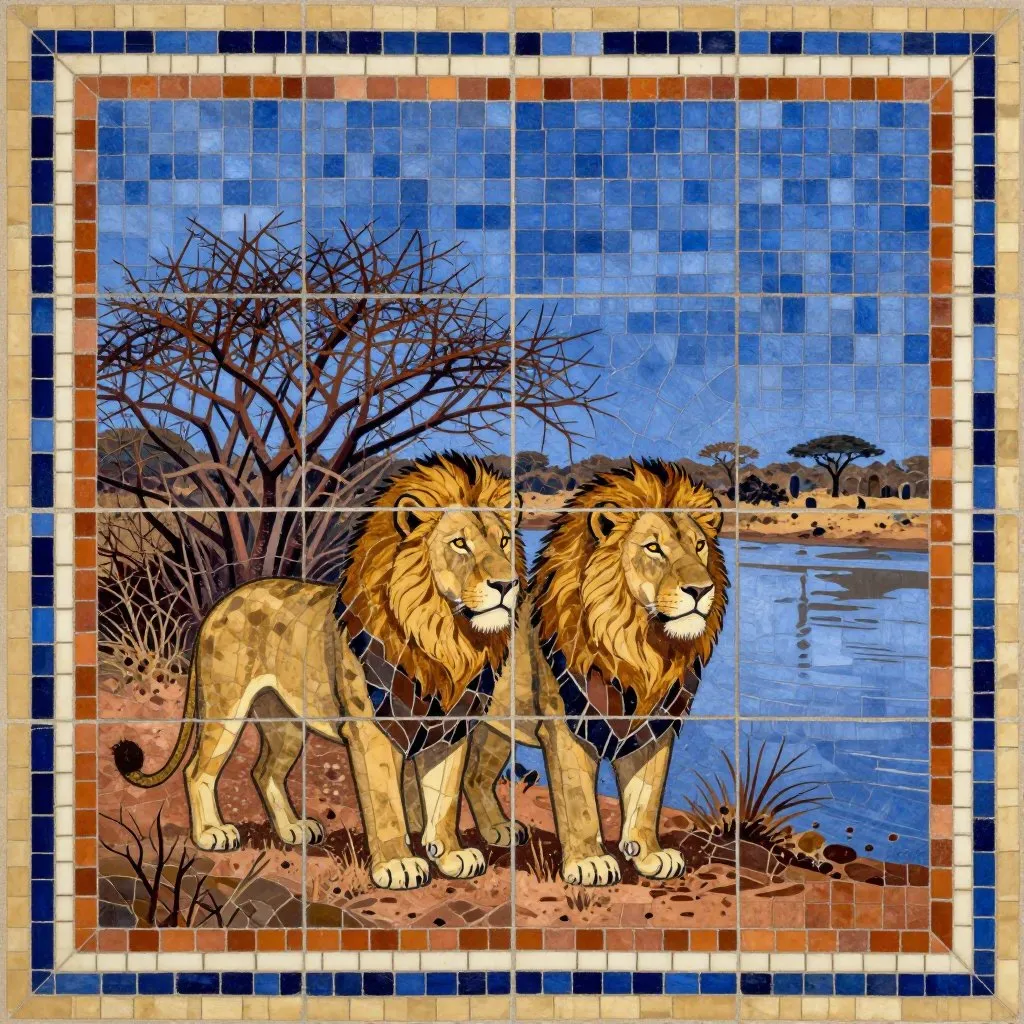
By 1971, Christian had a pride of his own. He ranged far across the reserve and was rarely seen. Adamson's team tracked him, but he was wild now. Fully wild. When John and Ace announced they were coming back to visit, the team told them plainly: do not expect recognition. He has been in the bush for a year. He is a different animal now.
John and Ace came anyway. They drove out into the Kora scrubland and waited. Then someone spotted movement in the tall grass.
What Happened in the Grass
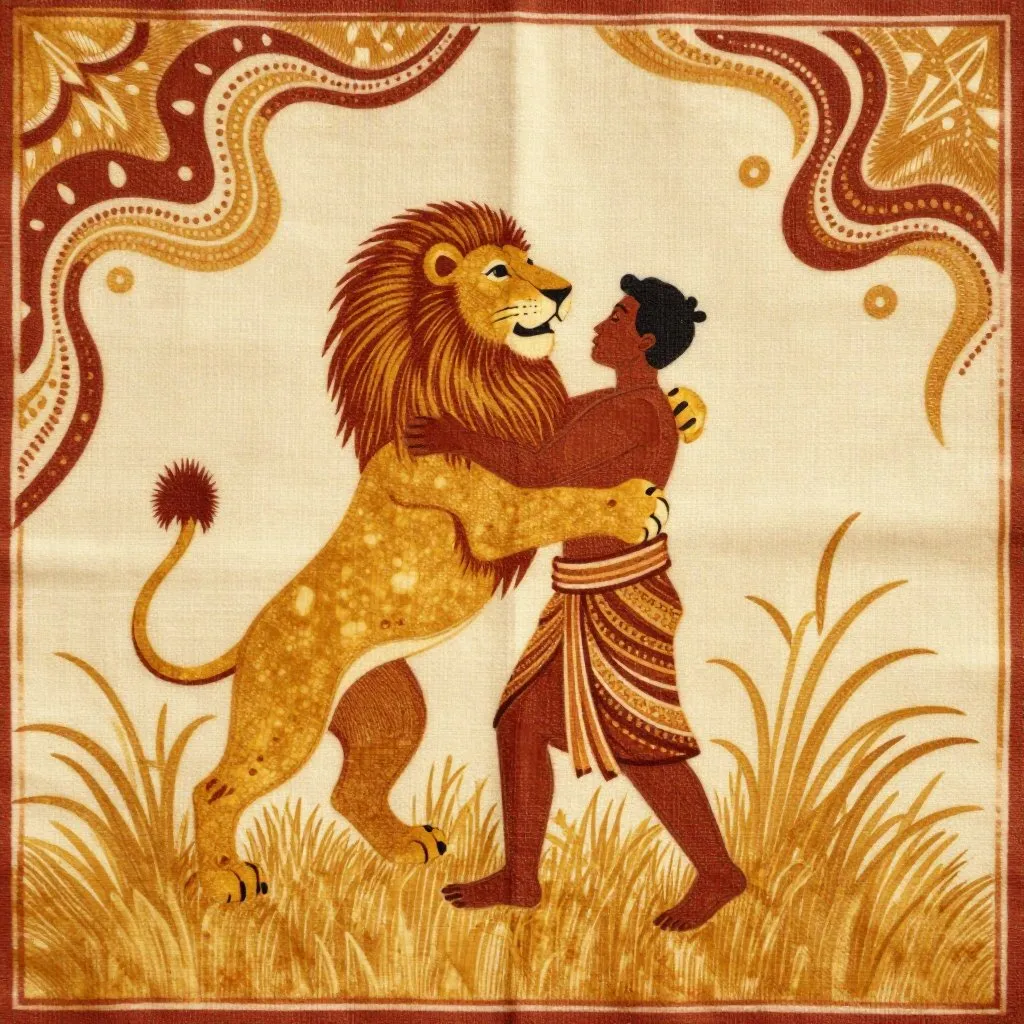
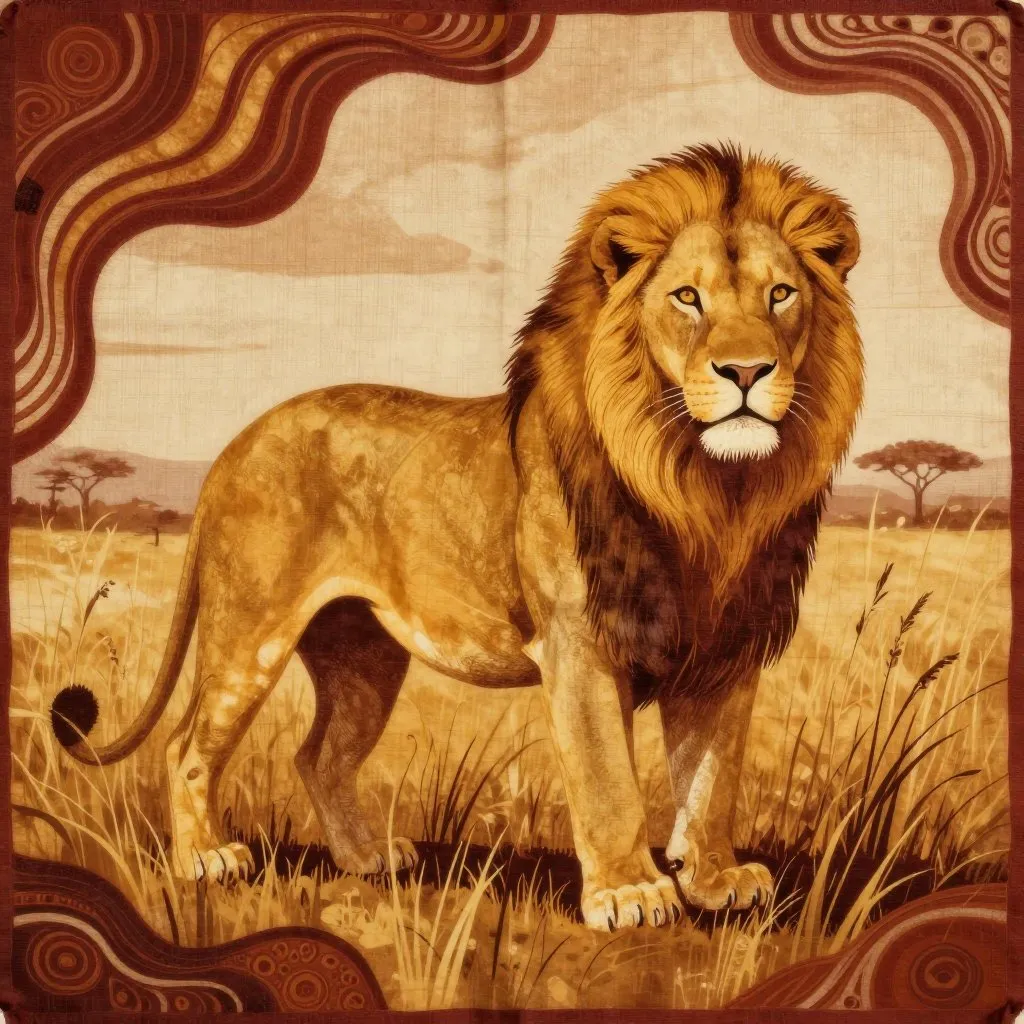
Christian emerged from the grass and stopped. He looked at John and Ace across the distance between them. Then he ran. Not slowly. Not with caution. He ran full speed, covered the ground in seconds, and reared up on his hind legs to wrap both men in his forelegs. He pressed his face against theirs. He made low sounds in his throat.
He greeted the other members of the group, then he turned back to John and Ace. The reunion lasted several hours. It was filmed on 16mm by a cameraman in the group and nearly forgotten for nearly four decades.
One Hundred Million Times
In 2008, the footage found its way onto YouTube set to a Whitney Houston song. Within weeks it had been watched over 100 million times. People watched it in offices and on phones and in the middle of the night. Many of them cried and were surprised to find themselves crying.
Christian lived out his life in the Kora Reserve. He was never captive again. What the film captured was one specific moment: a lion who had every reason to forget, and didn't.
Field Notes
- John Rendall and Ace Berg purchased Christian from the pet department at Harrods in London in 1969, when the sale of exotic animals in British shops was still legal.
- Christian was raised partly in a Chelsea flat and partly in the walled garden of St. Mary's Church on Beaufort Street, whose vicar permitted the arrangement.
- George Adamson, who agreed to rehabilitate Christian, was a veteran conservationist in Kenya's Kora Reserve. He had previously rehabilitated Elsa the lioness, the subject of the book and film "Born Free."
- Christian was released into the Kora Reserve in 1970 and had integrated fully into a wild pride by the time John and Ace returned in 1971.
- The reunion footage, originally shot on 16mm film, was posted to YouTube in 2008 and reached over 100 million views, becoming one of the most-watched animal videos of its era.
Support the Lion Recovery Fund
The Lion Recovery Fund supports field conservation efforts across Africa to double the number of lions in the wild. Their grants go directly to projects protecting lion habitat and reducing conflict between lions and local communities.
Support the Lion Recovery Fund