A Number, Not a Name
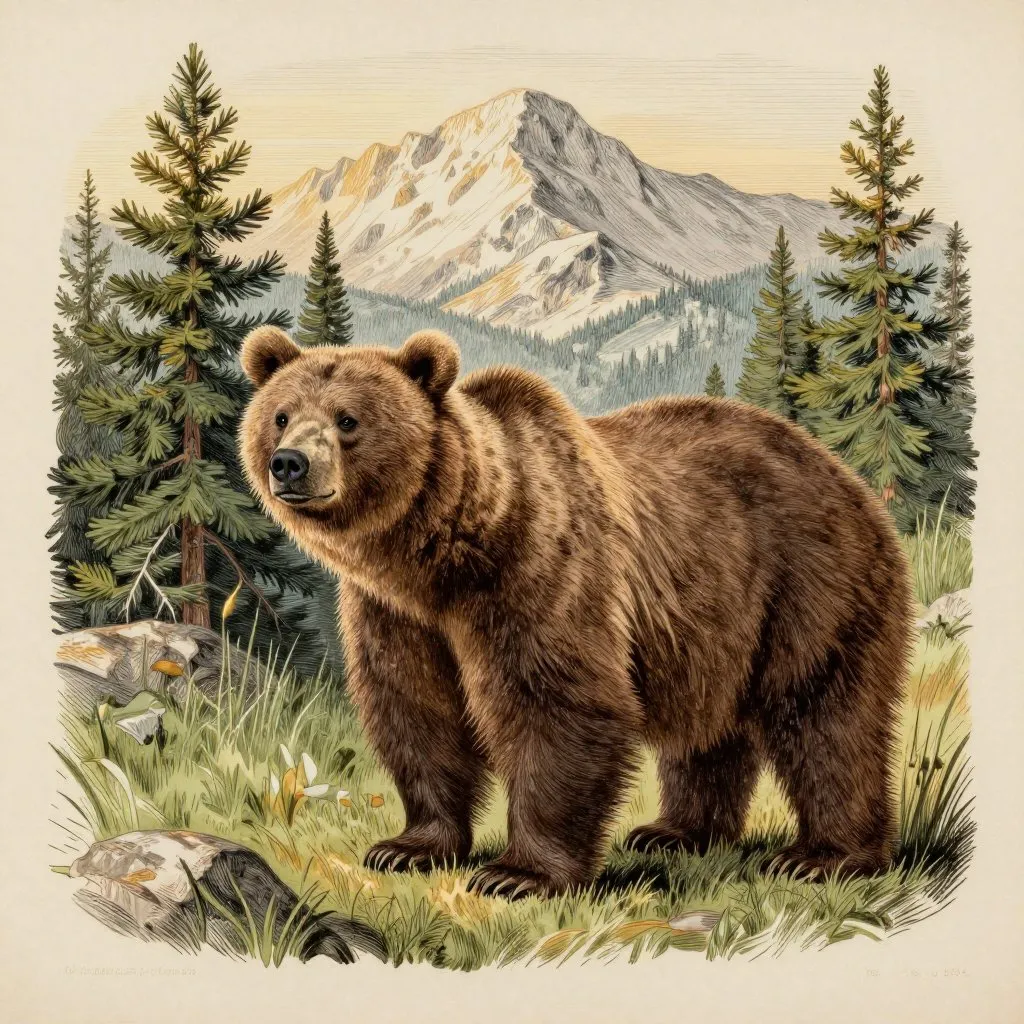
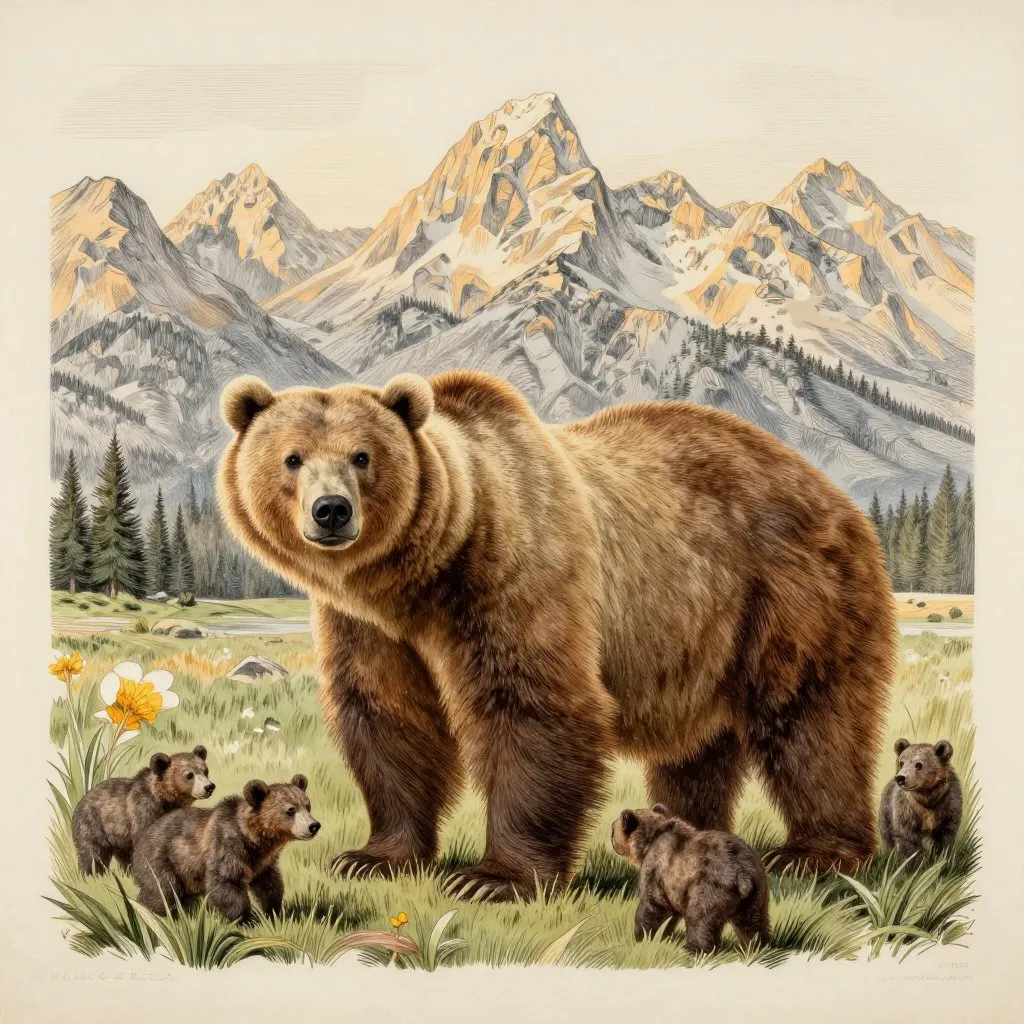
In 1996, researchers in Grand Teton National Park in Wyoming trapped a young female grizzly and fitted her with an ear tag. They gave her a number: 399. She weighed 256 pounds. She had no cubs yet. She was about eight years old, still young by grizzly standards, and she had her whole territory ahead of her.
Nobody called her 399 for long. Over the years, photographers and park visitors simply called her 399, but spoke the digits with a reverence usually reserved for names. She had earned it.
The Valley She Knew
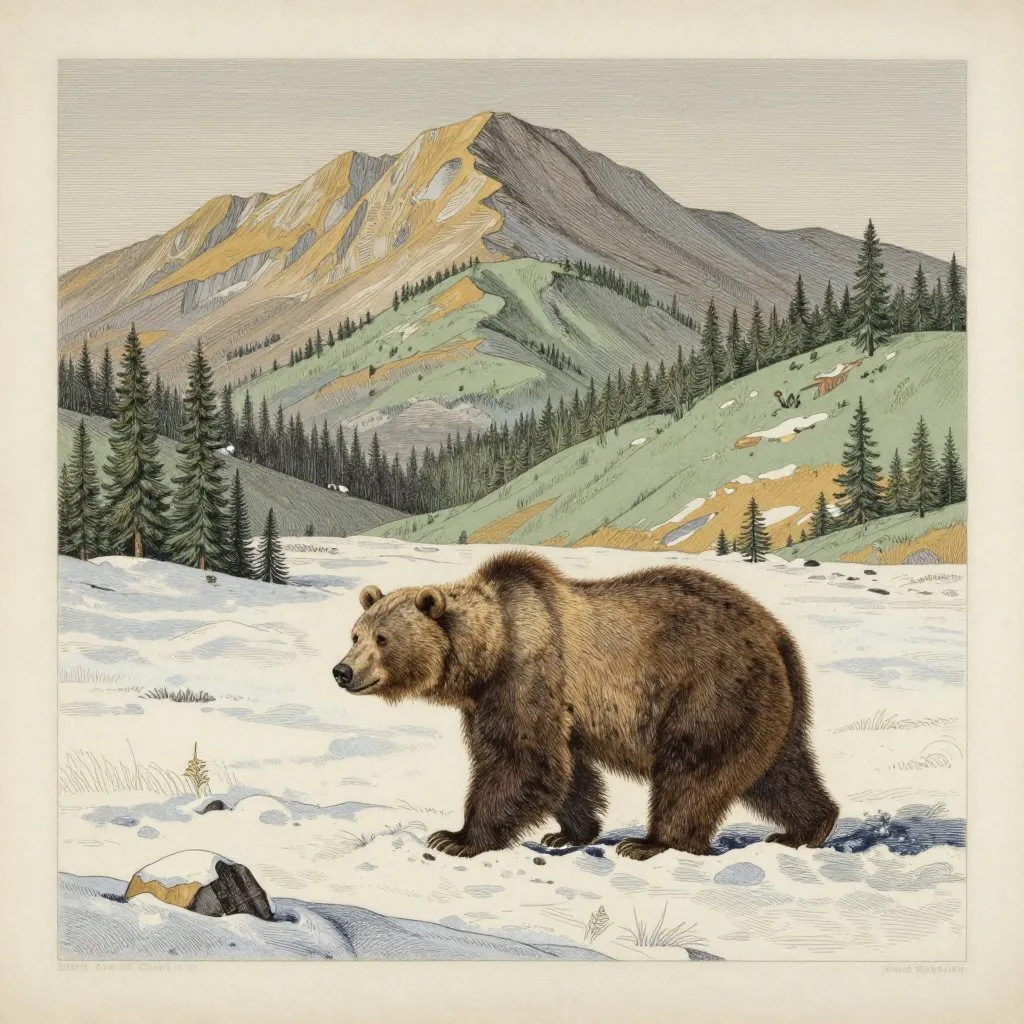
The Teton Range doesn't soften for anyone. Winters there can last six months. The snowpack buries the meadows. Grizzlies den through it, burning fat they spent all spring and summer accumulating. When 399 emerged each spring, she came out of the mountains and down into the flat sage country near the roads, where the food was easier to find.
That choice, to den near the valleys and forage close to humans, is what made her famous. It was also what kept her alive for so long. She learned where people were and stayed just ahead of trouble, year after year.
Raising Cubs in Quadruplicate
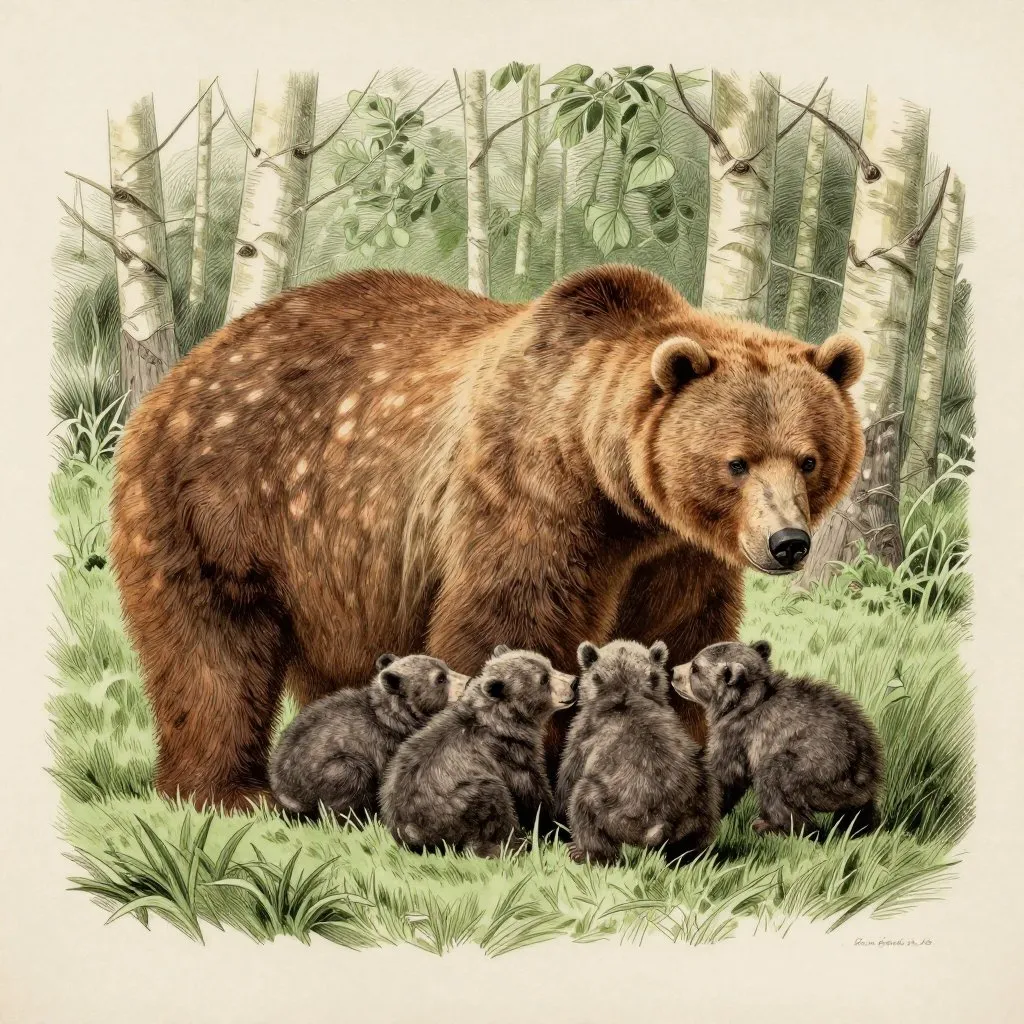
Most grizzly bears give birth to one or two cubs at a time. Three is unusual. Four is nearly unheard of. Over her lifetime, 399 raised at least 17 cubs to independence, including four complete sets of quadruplets. The odds against this are considerable.
She raised them in the open, along roadsides, in meadows where thousands of cameras tracked her every move. She taught them to dig for roots, to flip logs for grubs, to fish. And then, as grizzly mothers do, she chased them off and started again.
The Photographer Who Stayed
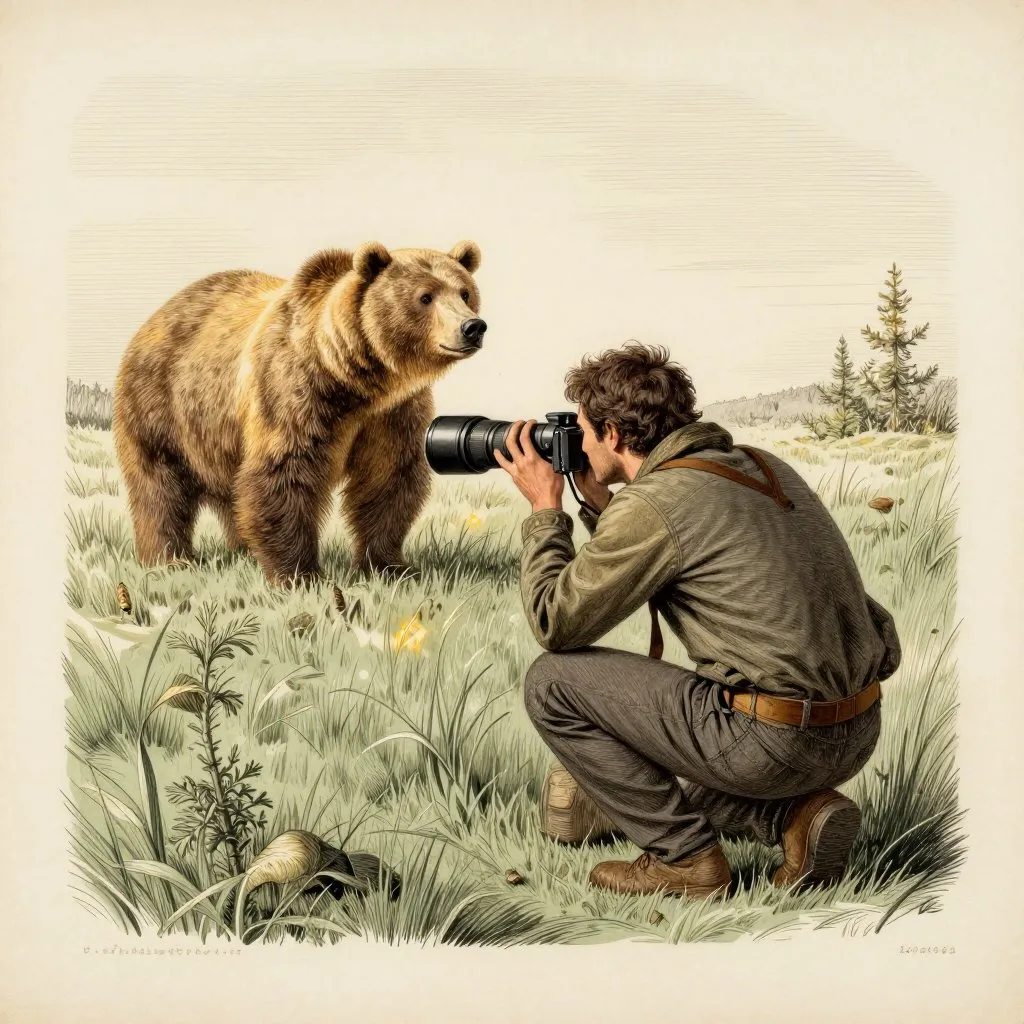
Wildlife photographer Thomas Mangelsen began following 399 in the early 2000s and did not stop for two decades. He spent hundreds of mornings in the field with her, long before she was well known, and stayed long after the crowds arrived. His photographs introduced her to audiences worldwide and became a sustained documentary record of one bear's life.
Mangelsen called her the most important grizzly in the world. Not the largest, not the strongest. The most important. He meant it as a statement about what she had proven: that wild bears and human visitors could share the same ground, if managed with care.
The Crowds She Drew
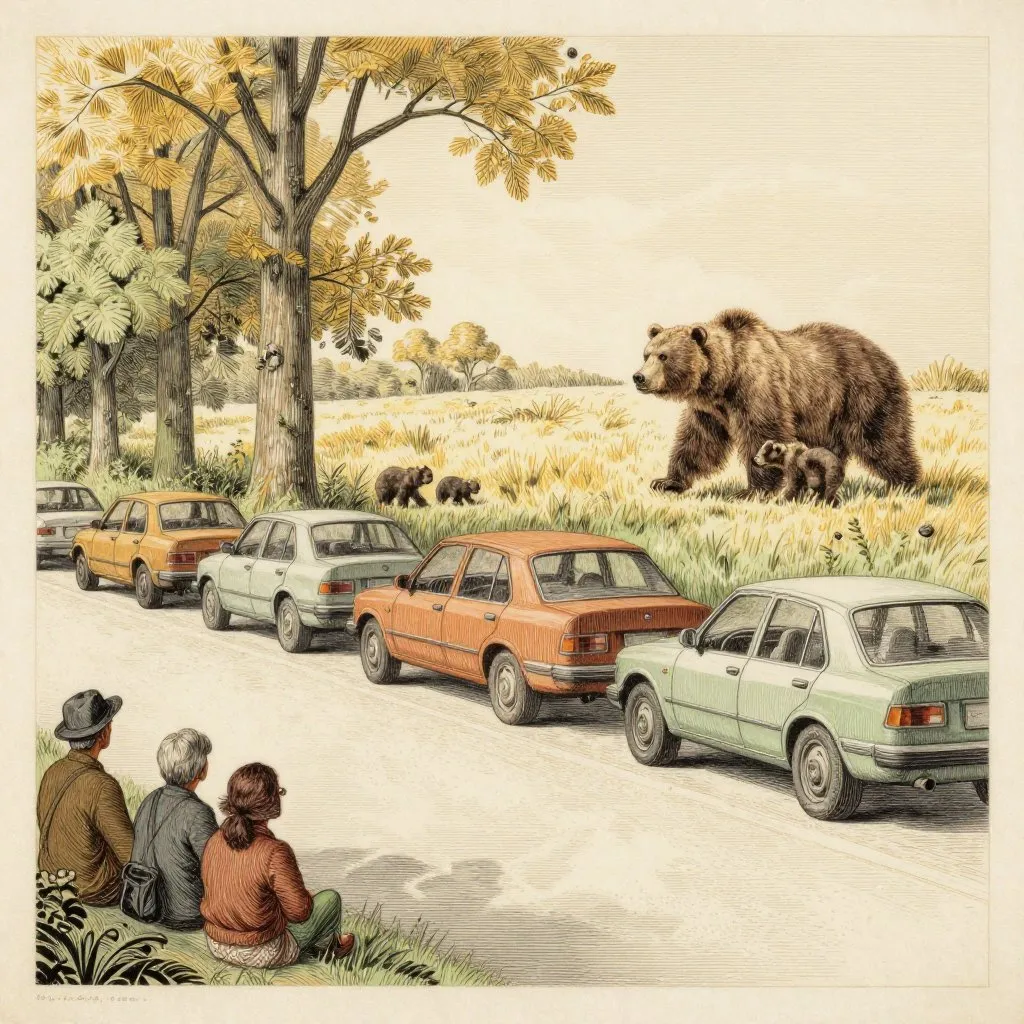
By the 2010s, a 399 sighting could stop traffic for miles. Visitors flew in from Europe and Asia specifically to see her. Photographers lined the roadsides with telephoto lenses longer than baseball bats. The park service deployed bear jams, the informal name for the slow crawl of vehicles that formed whenever she appeared near a road.
She seemed unbothered. She kept her nose down and her cubs close and went about her work. The spectators were part of the landscape by then, and she moved through them the way she moved through everything: deliberately, on her own terms.
October 2024
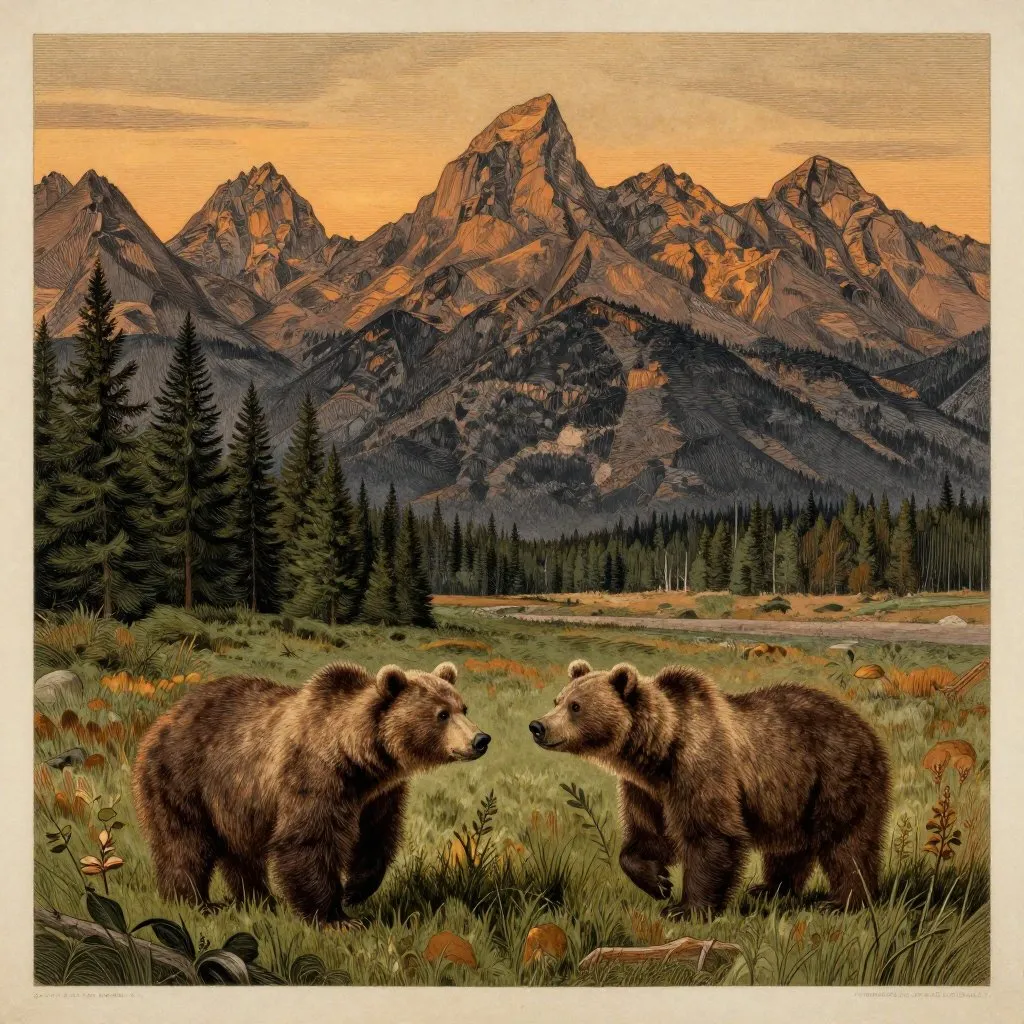
On October 22, 2024, Grizzly 399 was struck and killed by a vehicle on a highway just outside the boundaries of Grand Teton National Park. She was approximately 28 years old. The average wild grizzly lives 20 to 25 years. She had outlasted the average by three years at minimum.
Her death made international news. The National Wildlife Federation, wildlife biologists, and conservation photographers released statements. Thomas Mangelsen published photographs he had taken of her the previous spring, her last season. She had been spotted with two cubs that year. The cubs survived. They were on their own now, the way she had taught them to be.
Field Notes
- Grizzly 399 was first captured and ear-tagged by researchers in Grand Teton National Park in 1996, at approximately eight years old.
- Over more than 25 years, she raised at least 17 cubs to independence, including four documented sets of quadruplets, which is exceptionally rare for wild grizzly bears.
- She was photographed extensively by wildlife photographer Thomas Mangelsen, who documented her life for more than two decades.
- Her habit of foraging near park roads made her one of the most viewed and photographed wild bears on earth, drawing thousands of visitors annually to Grand Teton.
- She was struck and killed by a vehicle on a highway outside the park in October 2024 at approximately 28 years old, one of the oldest known wild grizzlies on record.
Support the National Wildlife Federation
The National Wildlife Federation works to protect grizzly bear habitat across the American West, advocating for science-based wildlife management and the coexistence of wild animals and human communities.
Support the National Wildlife Federation