The Territory
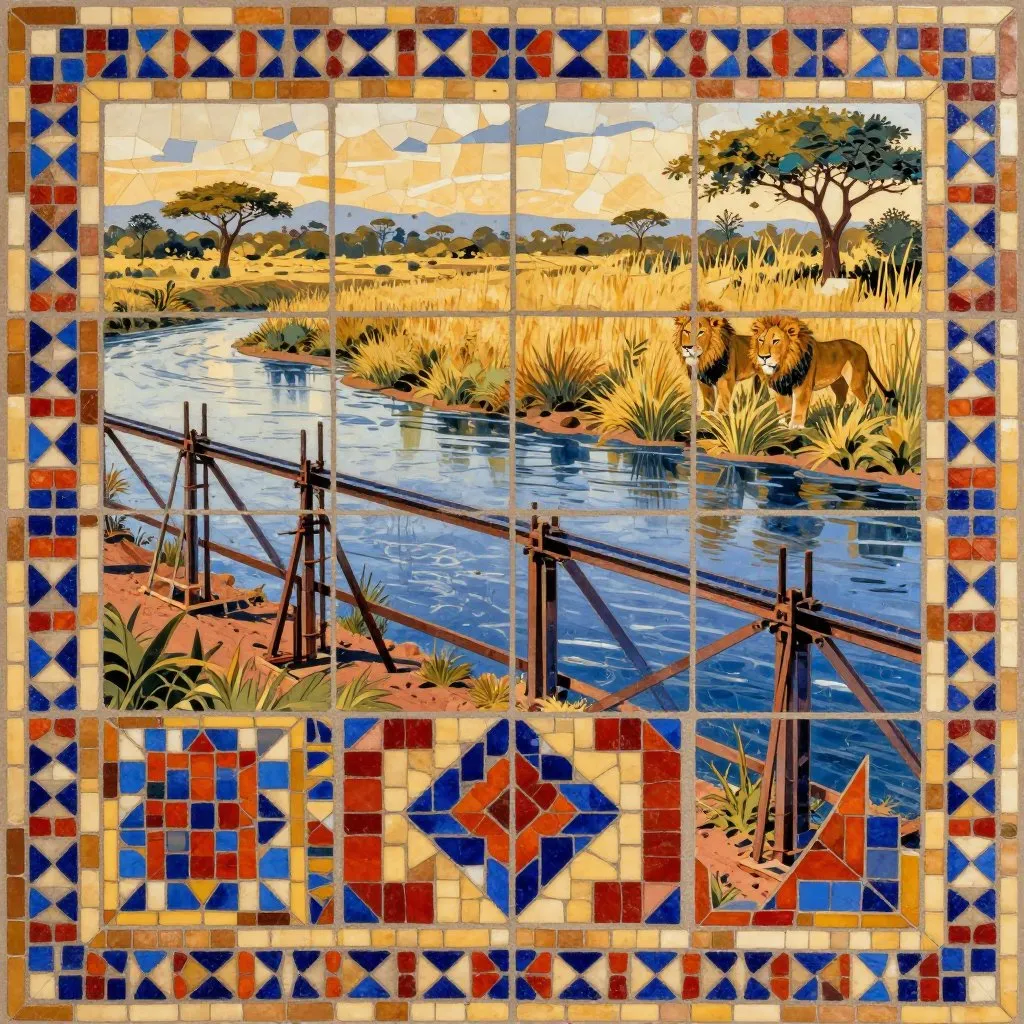
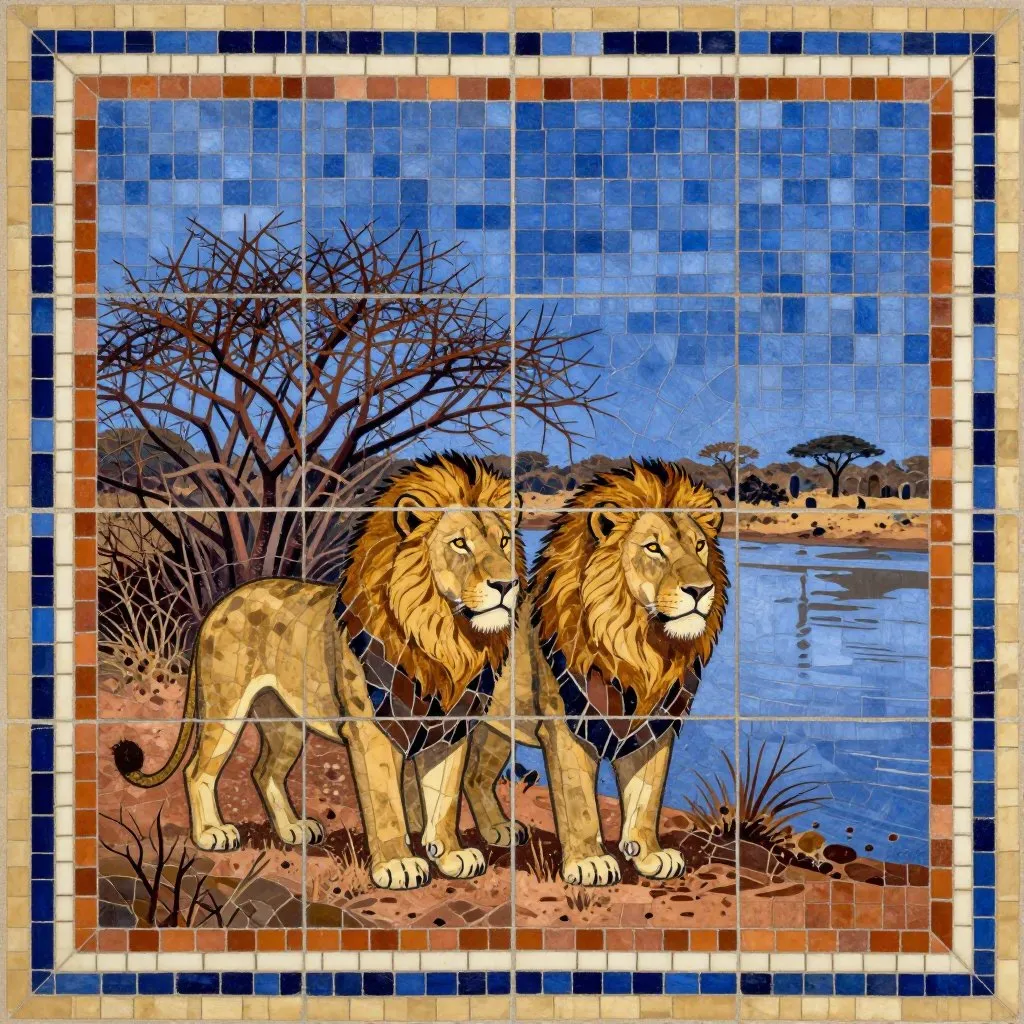
The Tsavo River cut through dry thornbush and red earth, and the lions had known it their whole lives. Two males, no manes to speak of, built for heat and for cover. They had hunted this land the way their kind always had: quietly, patiently, alone when necessary.
Then the men arrived. Thousands of them, brought from far away to build a bridge across the river. They drove iron stakes into the ground and strung rope where there had been nothing. The lions watched from the grass and did not move.
The Tooth
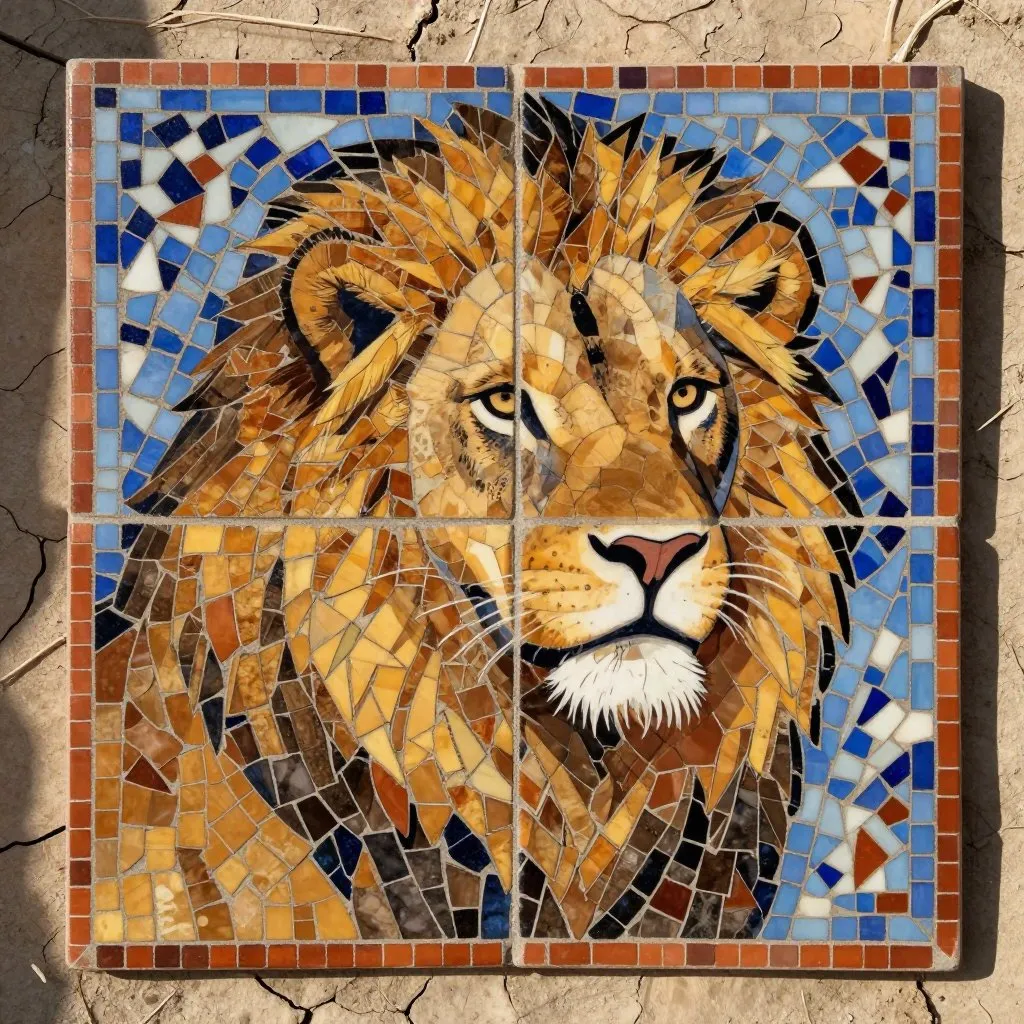
One of the lions carried something no one would know about for more than a hundred years. Deep in his jaw, a tooth had gone wrong. Abscessed, infected, swollen to the point where biting down on a struggling zebra sent a shock of pain through his whole skull. He could not hunt the way he had before.
The workers slept in open camps along the construction line. They were close, and they were still. For a lion in pain, with old ways closed off, new ways open themselves.
Nine Months
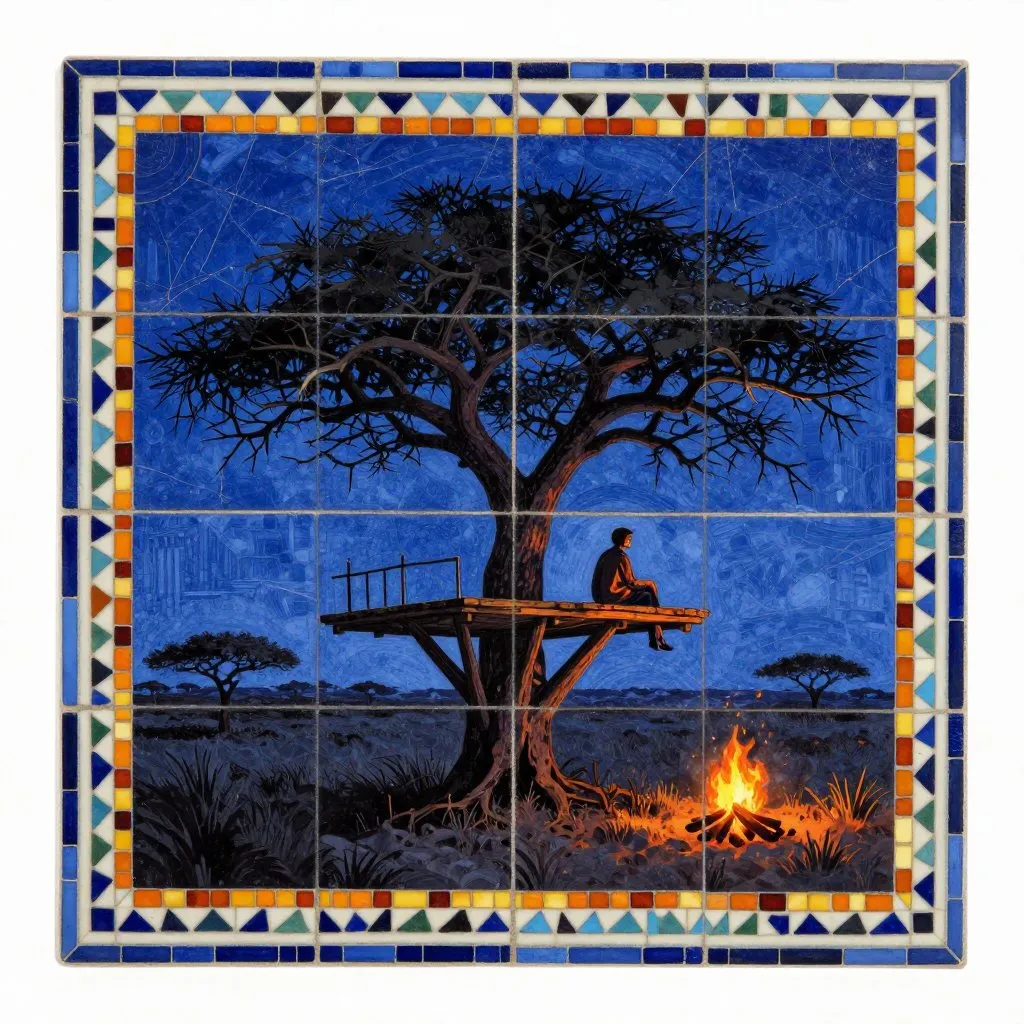
The raids went on through the dry months and into the rains. The workers built fires and thorn barriers. Some left the camp entirely and did not come back. The construction of the bridge slowed, then stopped. A lieutenant colonel named John Henry Patterson arrived with a rifle and set traps and sat in trees through long, cold nights.
The lions avoided every trap. They circled every barrier. Patterson wrote later that he had never encountered anything like them. Neither had anyone else on the construction line.
The End of It
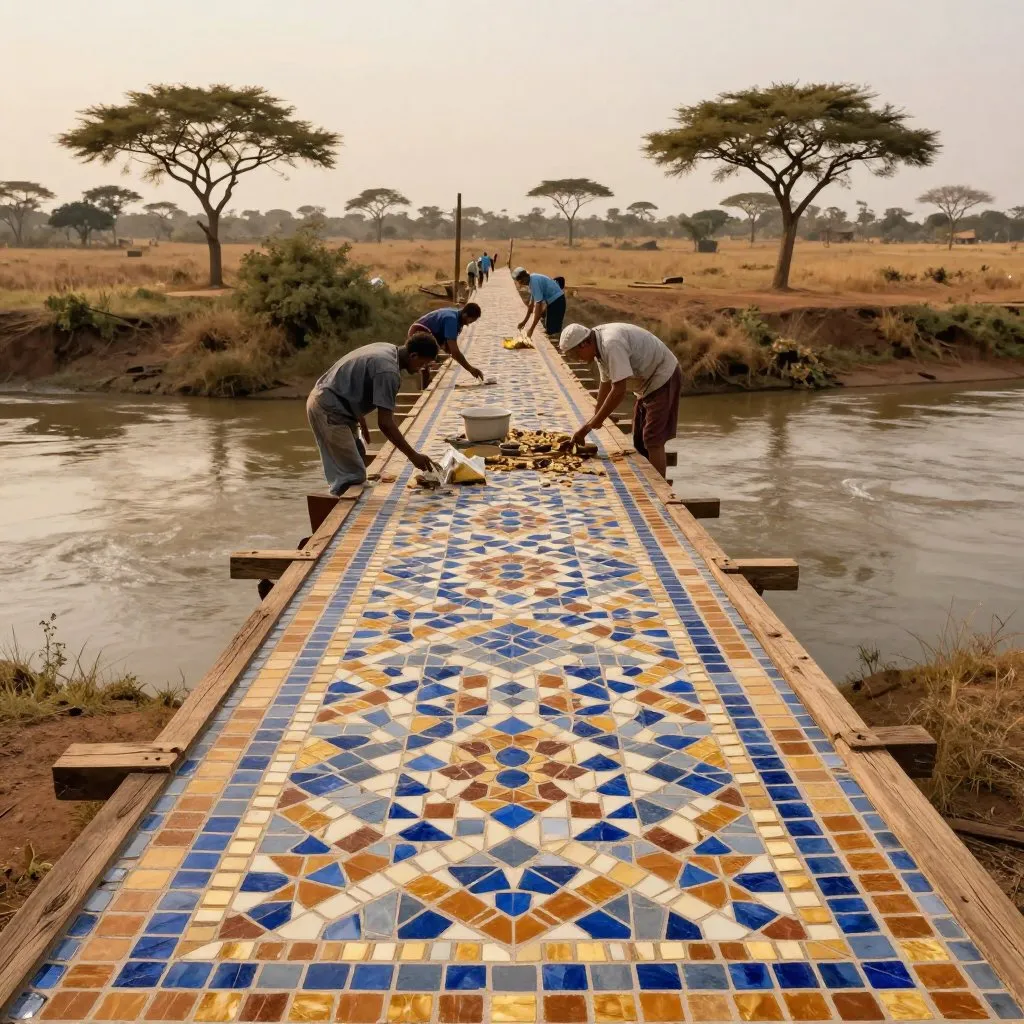
Patterson shot the first lion in December 1898, nine months after the killings began. The lion was large, and it took more than one shot, and it still came forward before it fell. The second lion died three weeks later. The construction crews returned. The bridge was finished.
Patterson sold the lions' dried skins and skulls to the Field Museum of Natural History in Chicago in 1924, twenty-six years after he killed them. Museum taxidermists rebuilt them as full mounts. They have stood on display in the Stanley Field Hall ever since.
What the Bones Said
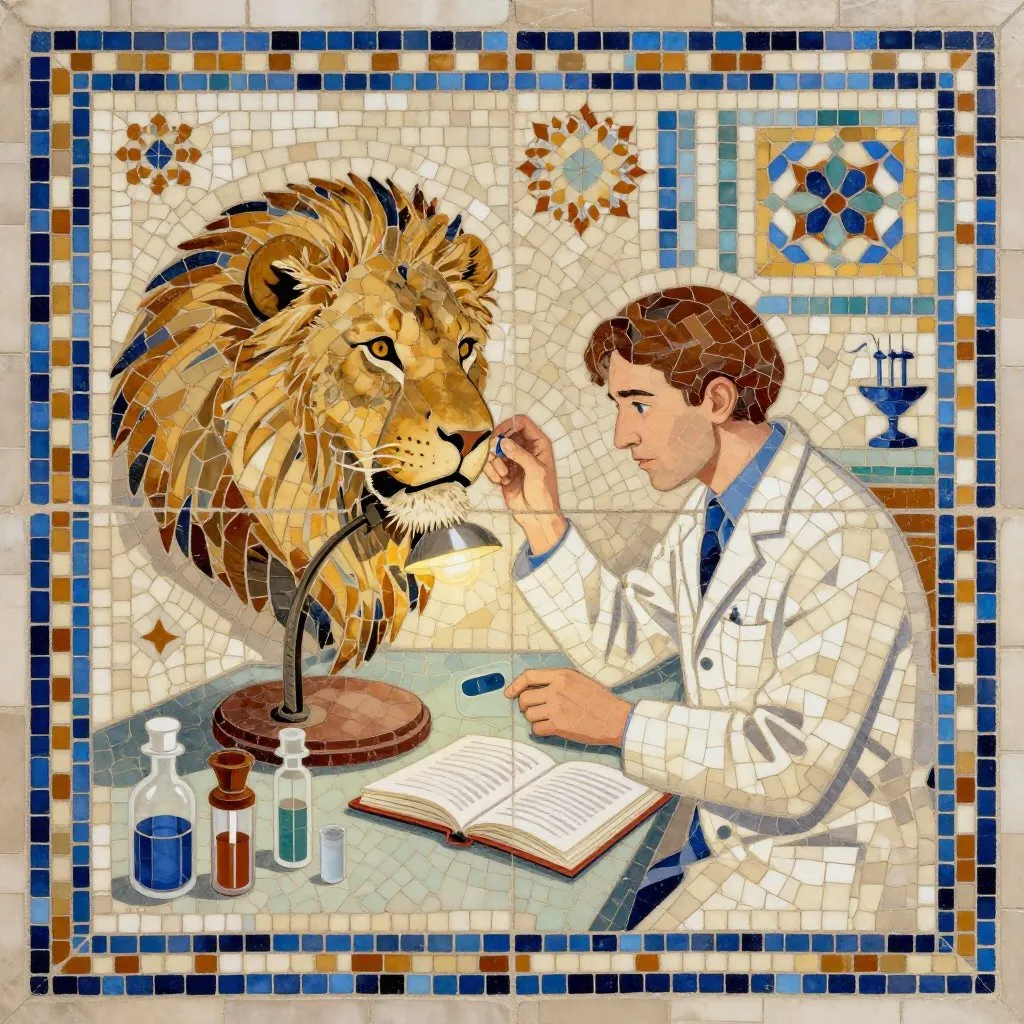
For most of the twentieth century, estimates of how many people the lions had killed ranged as high as 135. Patterson's own account put the number there. In 2009, a team of scientists took samples of hair and bone from the Field Museum mounts and ran isotope analysis. The answer they came back with was 35.
A follow-up study in 2017 confirmed it. Isotope ratios in the lions' own tissue, laid down year by year, held the record of what they had eaten. The number was real. Thirty-five people, in nine months, in a strip of thornbush along the Tsavo River.
What Remains
The Tsavo River still runs through red earth and dry thornbush. Lions still live there, though far fewer than before. The ones alive today are descendants of animals that survived the century of hunting and habitat loss that followed the railroad's completion.
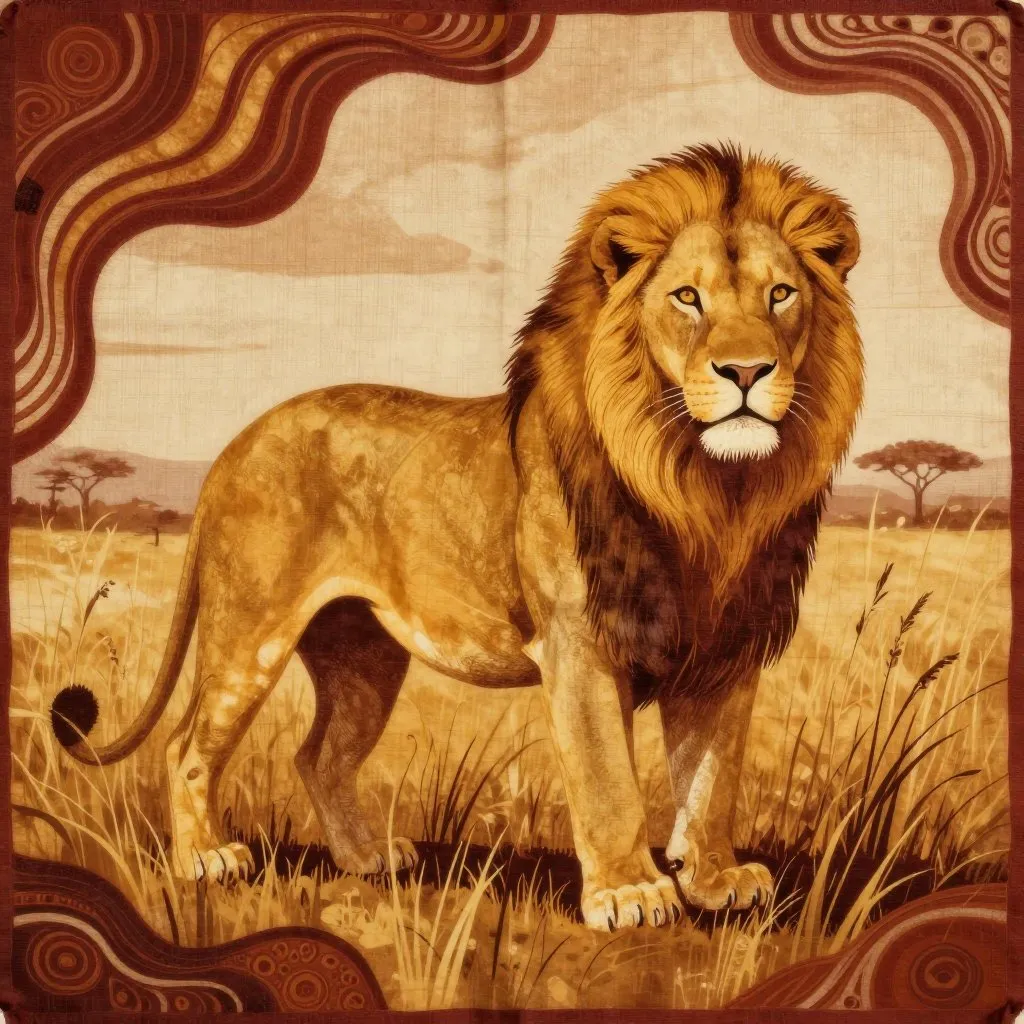
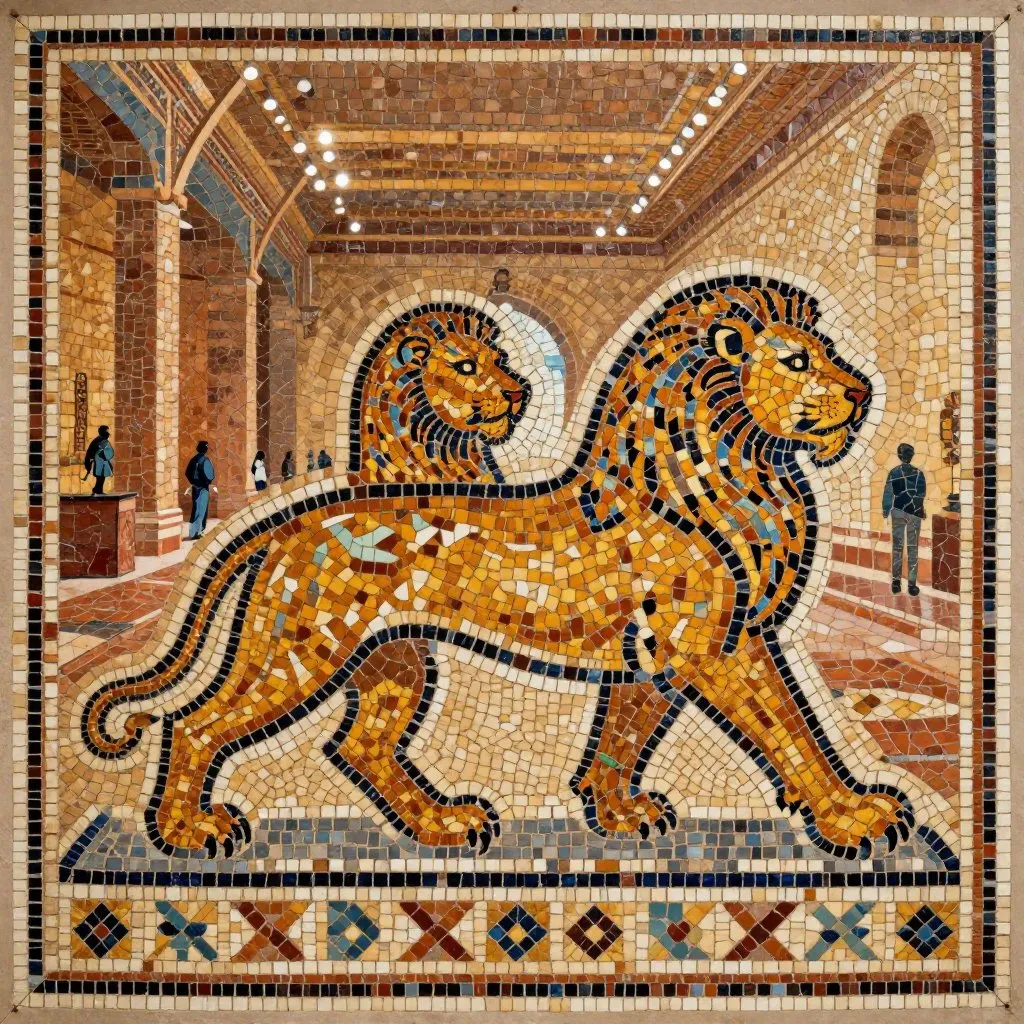
The two lions in Chicago are motionless now, caught mid-step under museum lights. They look like the landscape they came from: ochre and amber and bone-dry, built for a world that is harder to find each year. They did not ask to be famous. They were just there, and then the world came to them, and everything changed.
Field Notes
- The Tsavo lions were two maneless male lions who killed an estimated 35 construction workers during the building of the Kenya-Uganda Railway bridge over the Tsavo River in 1898.
- Lieutenant Colonel John Henry Patterson shot both lions after nine months of attempts. He sold their skins and skulls to the Field Museum of Natural History in Chicago in 1924, where they remain on display.
- Early accounts, including Patterson's own book, estimated the lions killed as many as 135 people. DNA and isotope analysis published in 2009 revised that number down to approximately 35.
- Dental records from the Field Museum mounts show that one of the lions had a severe tooth abscess, which researchers believe made normal prey difficult to hunt and may have contributed to his targeting humans.
- A 2017 study published in Scientific Reports used isotope analysis of the lions' own bones and hair to confirm the presence of human tissue in their remains, providing the most direct evidence of the killings to date.
Support the Lion Recovery Fund
The Lion Recovery Fund supports science-based conservation efforts across Africa, working to reverse lion population declines and protect the landscapes lions need to survive.
Support the Lion Recovery Fund