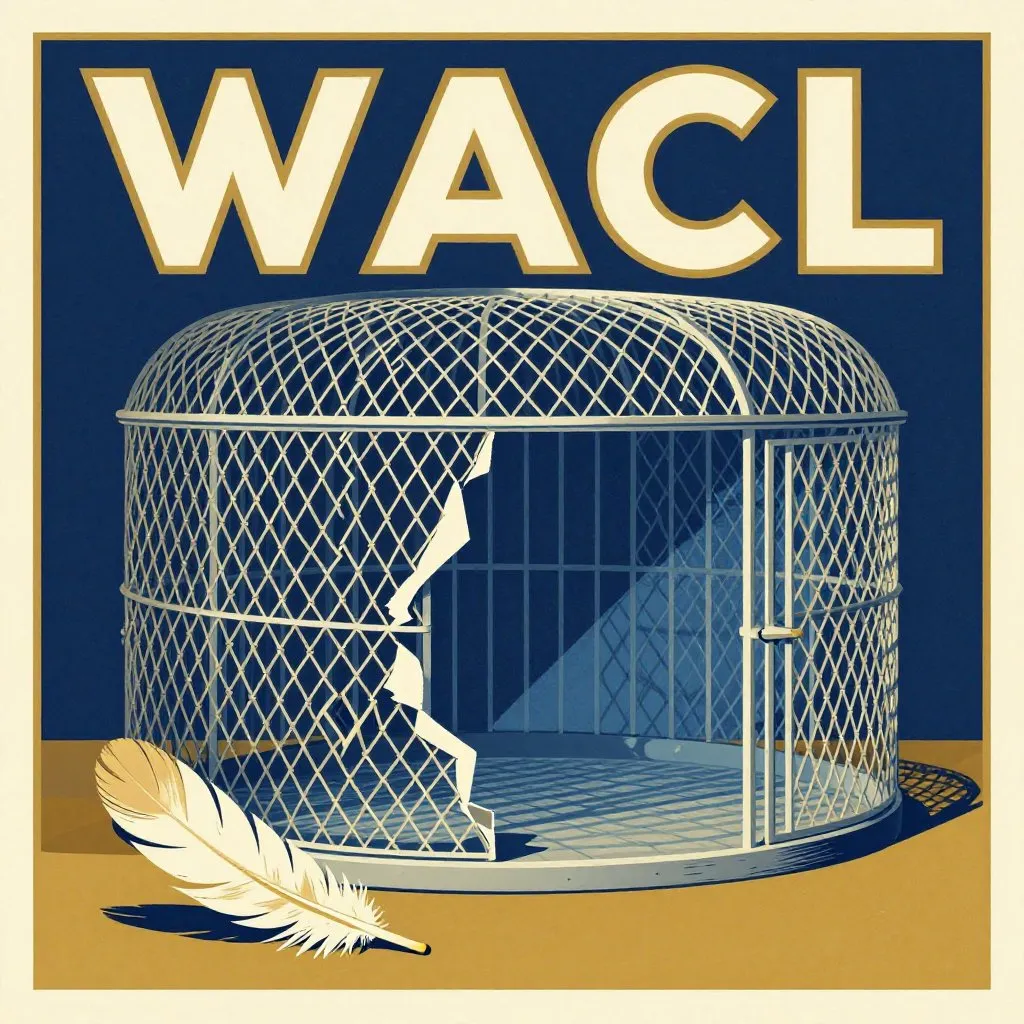
The Cage with the Cut Mesh
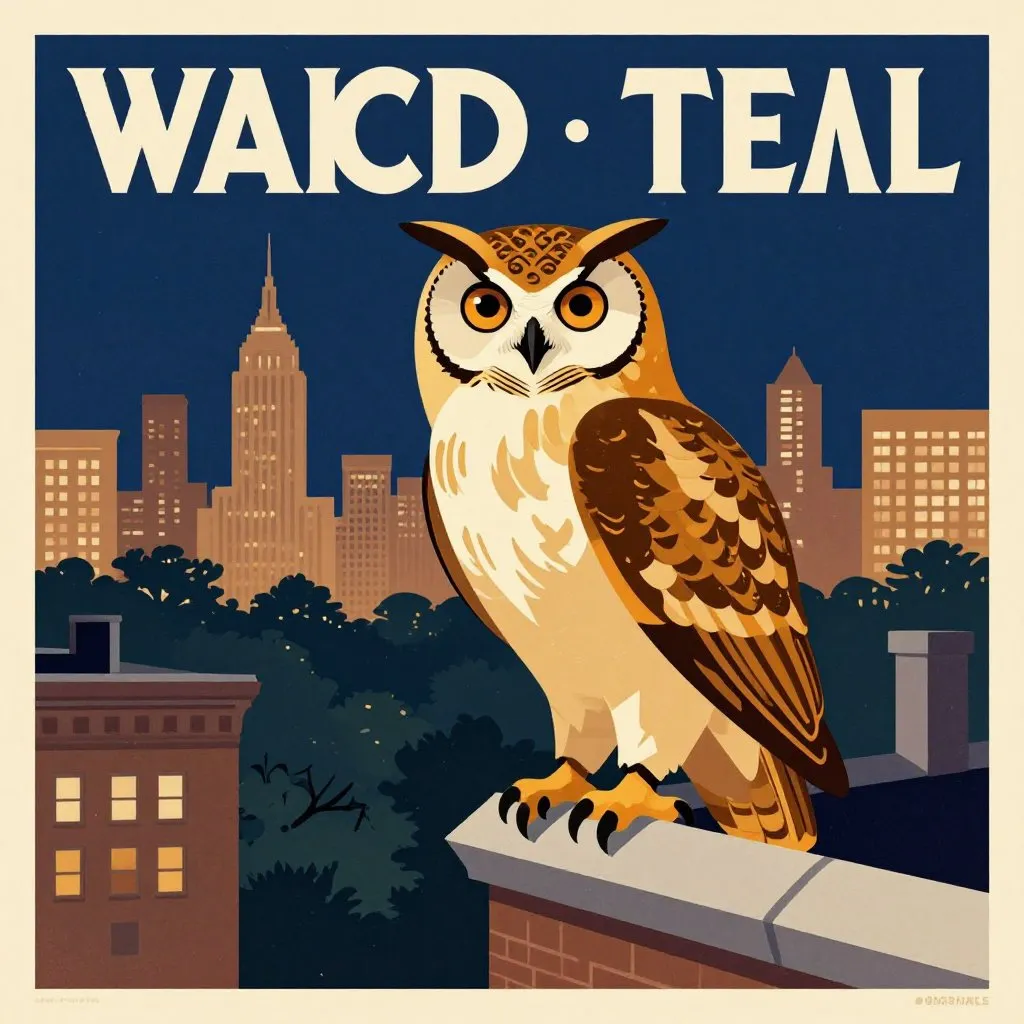
Flaco had lived inside the Central Park Zoo for thirteen years. He knew the dimensions of his enclosure, the rhythm of feeding time, the sounds of the city that drifted in from beyond the mesh. He had never hunted. He had never needed to.
In February 2023, someone cut through the wire. By morning, Flaco was gone. Zoo staff searched Central Park and found him easily enough. He was perched in a tree, blinking at a world that had no walls.
What the Zoo Expected

The zoo's concern was practical and honest. Flaco had spent his entire life in captivity. He had no experience finding food, no practice reading a landscape for danger, no reason to know how to be a wild owl. They expected him to weaken. They began planning a recapture.
He did not cooperate. He stayed in the trees, high and calm, watching the park with the patience of an animal that had been watching things for a very long time.
The First Hunt

Within weeks, birders tracking Flaco's movements noticed something unexpected. He was hunting. Not struggling toward it, not failing at it. Hunting. The rats of Central Park, abundant and slow and full of confidence about their place in the food chain, were being systematically removed from the landscape.
No one had taught him. The knowledge had been inside him the whole time, waiting for a reason to become useful.
A New Territory
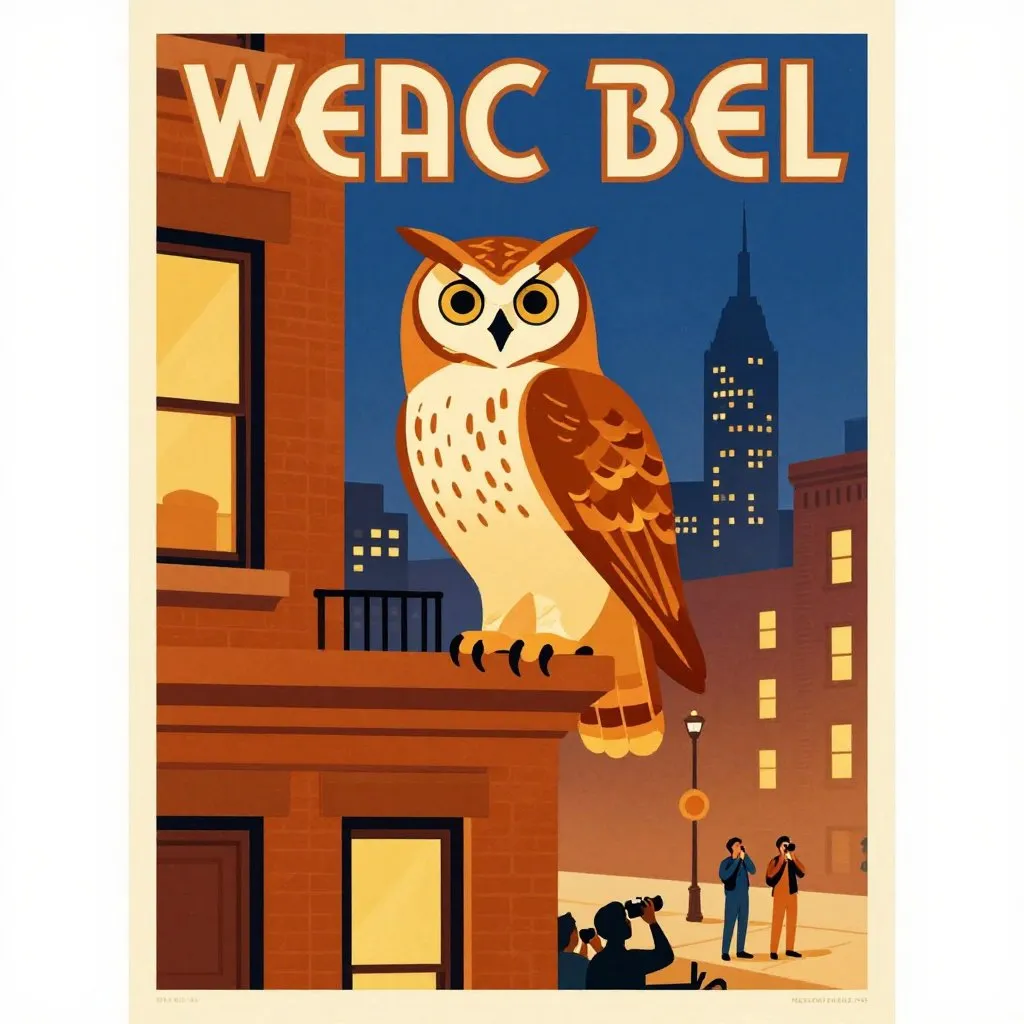
Flaco did not stay in Central Park. He ranged. The Upper East Side. The Upper West Side. Apartment ledges and fire escapes and the broad crowns of street trees. New York birders began to follow his movements the way people follow a favorite athlete's season: with detailed attention, with daily updates, with a particular kind of affection.
He was photographed thousands of times. He was filmed hunting at night. He was never captured. The zoo, watching his progress, eventually suspended recapture efforts. He was, by any fair measure, doing fine.
What Rodenticide Does
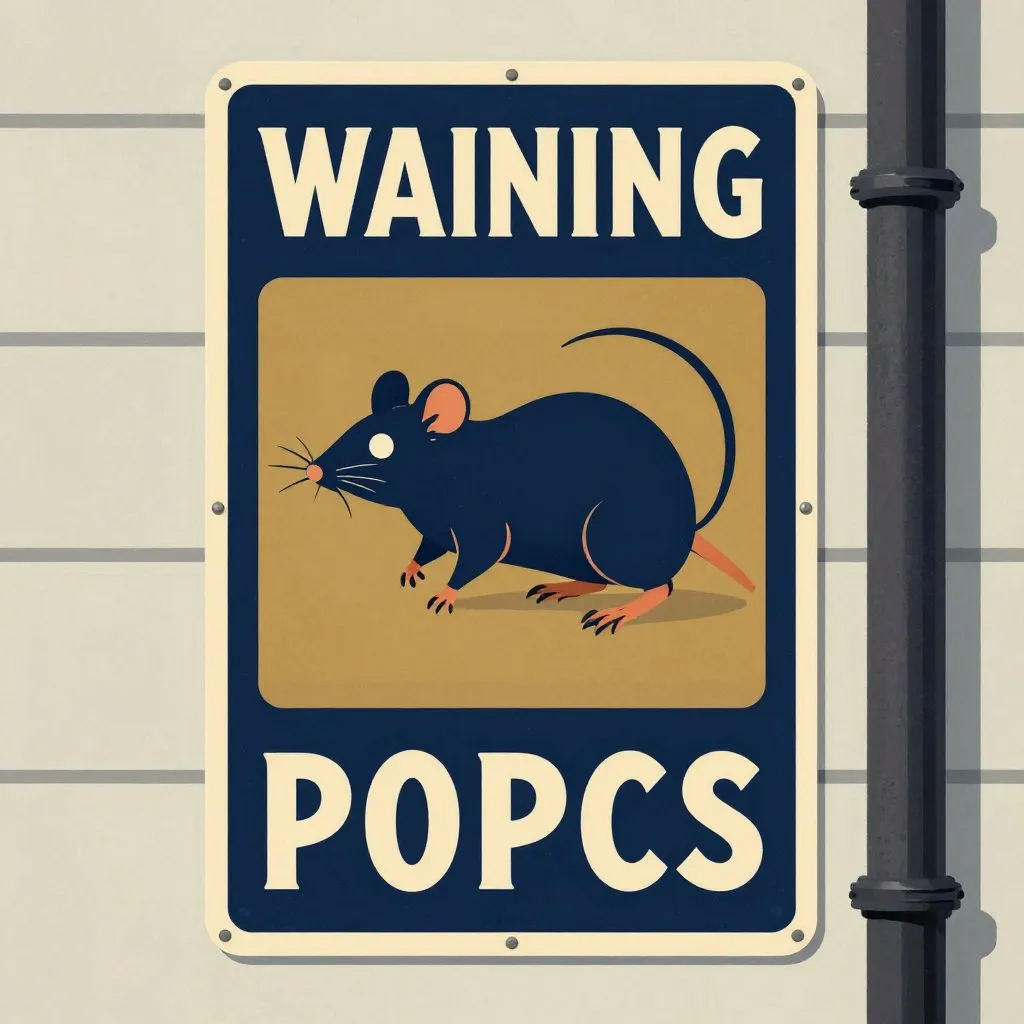
Flaco was eating rats. The rats of Manhattan are, in large numbers, full of rodenticide: the slow-acting poison used across the city in bait stations and building basements. Each poisoned rat that Flaco ate moved that poison further up the chain. It accumulated.
On February 23, 2024, he struck a building on the Upper West Side. The necropsy found rodenticide in his system at levels consistent with causing disorientation. He was thirteen years old. He had been free for exactly one year.
What He Left Behind

Flaco's death moved the city in ways that surprised people who thought they had grown past being surprised by anything. There were memorials in Central Park. There were editorials. The conversation about rodenticide use in dense urban areas, long stalled, was suddenly happening at volume.
He had spent thirteen years in an enclosure. He spent his last year teaching himself to be exactly what he was. That's not a sad story. That's the whole point of the story.
Field Notes
- Flaco was a Eurasian eagle-owl who lived at the Central Park Zoo in New York City for 13 years before his enclosure was vandalized in February 2023.
- Eurasian eagle-owls are among the largest owl species in the world, with wingspans that can exceed five feet.
- Zoo staff initially expected Flaco to fail in the wild, as he had been in captivity his entire life and had no history of hunting.
- Within weeks of his escape, Flaco was observed successfully hunting rats across Central Park and the surrounding Upper East and Upper West Side neighborhoods.
- Flaco died on February 23, 2024, after striking a building. His necropsy confirmed significant rodenticide contamination, sparking citywide debate about rat poison use in New York City.
Support the National Audubon Society
The National Audubon Society works to protect birds and the places they need through science, advocacy, education, and on-the-ground conservation across the Americas.
Support the National Audubon Society