The Routine That Wasn't
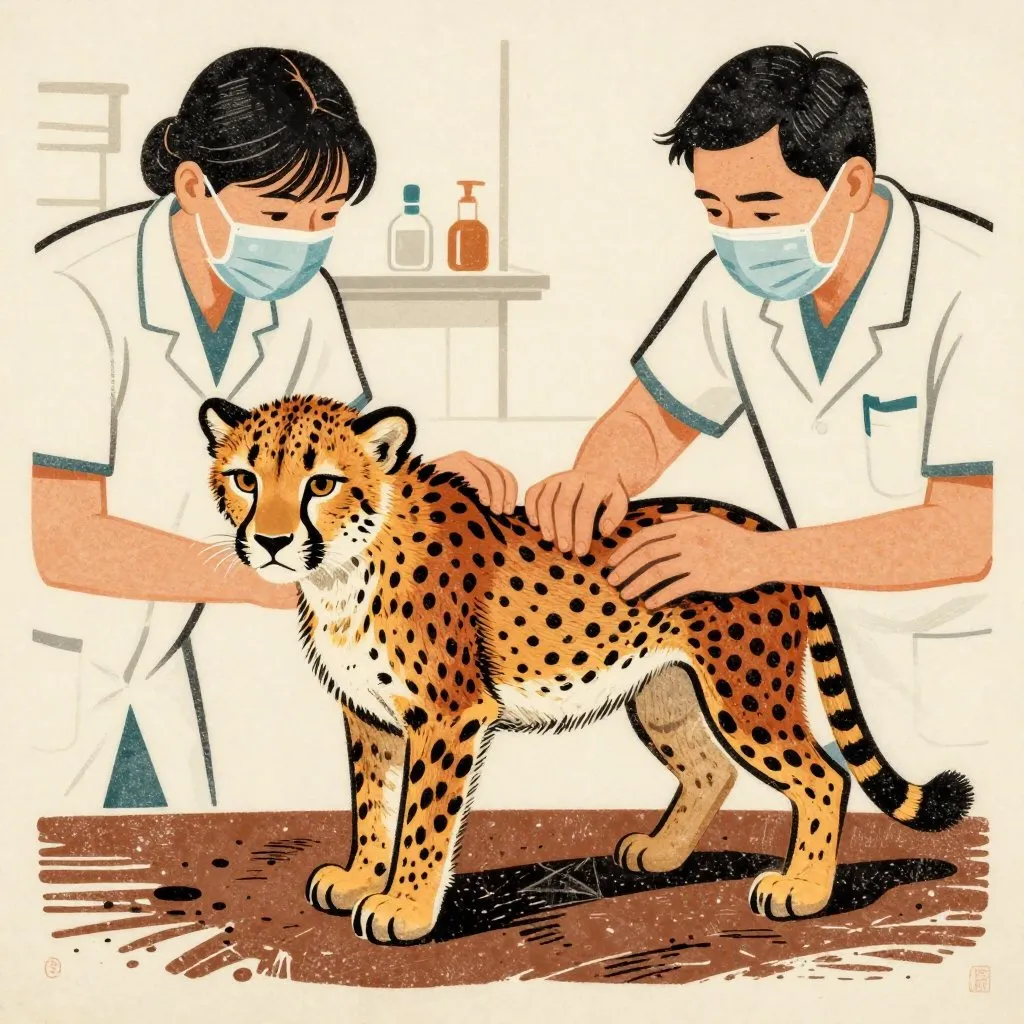
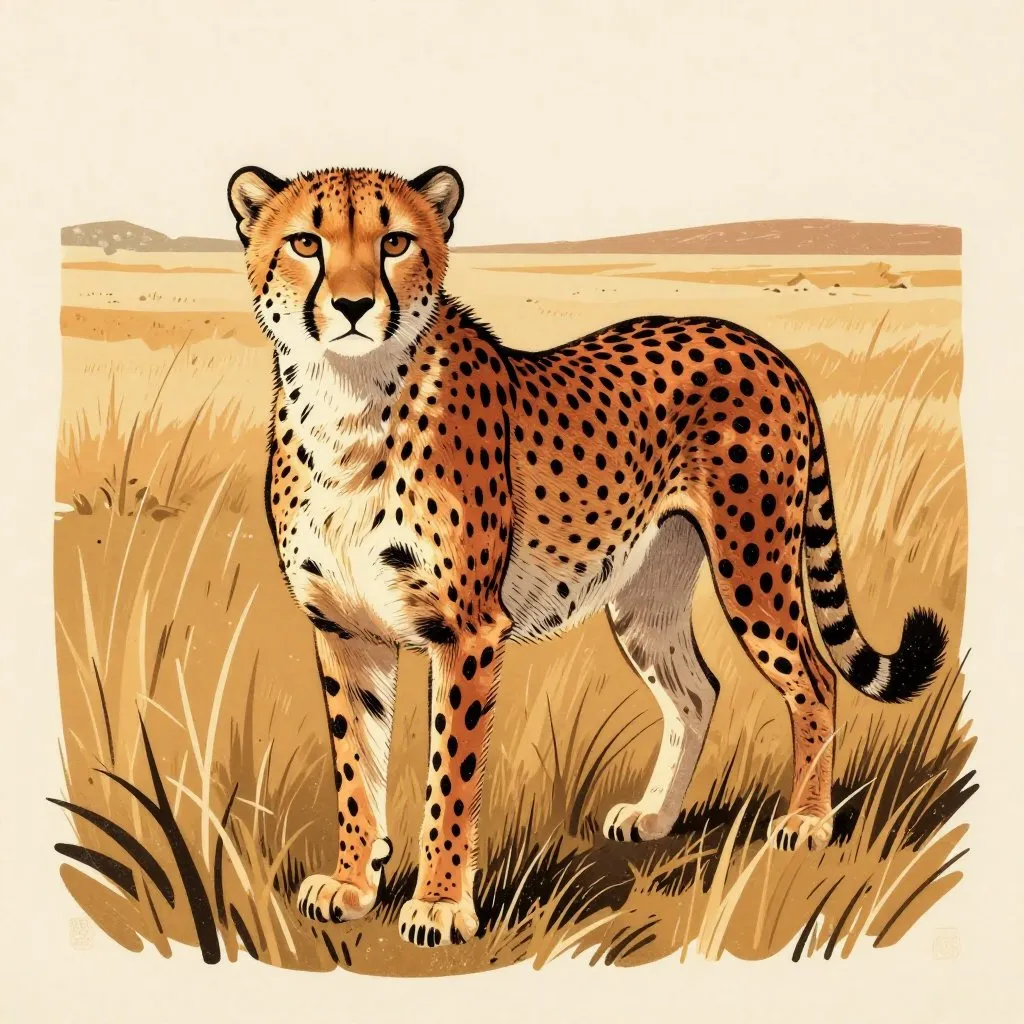
At 11 months old, Freya was growing into herself. She had the spotted coat, the narrow face, and the coiled-spring energy of a cheetah learning what her body could do. At the Smithsonian's National Zoo in Washington, D.C., her keepers watched her every day.
In 2024, during what was supposed to be a routine veterinary exam, one of them noticed something. A small bulge along her spine, just below the shoulder blades. Easy to miss. Hard to un-see once noticed.
What the Scan Showed
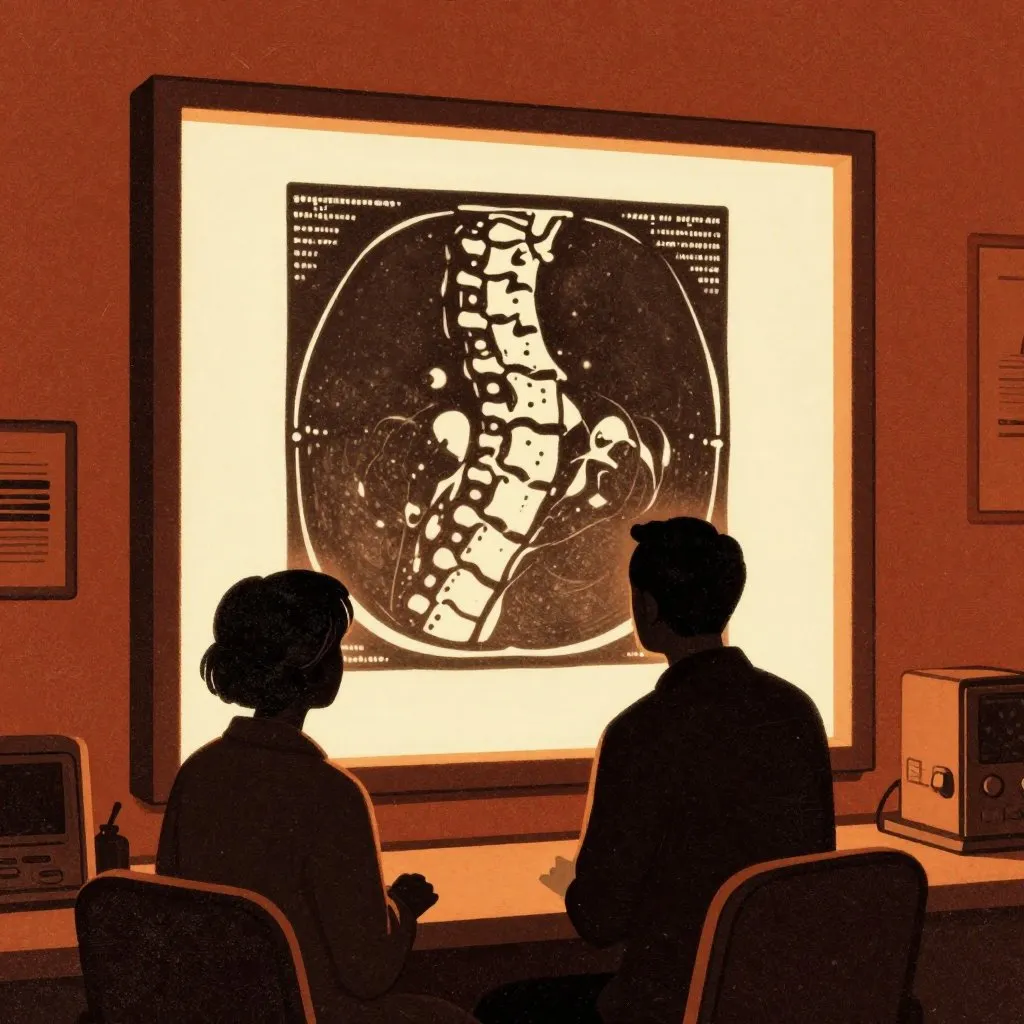
The veterinary team ordered a CT scan. The images came back and told a clear story: Freya's thoracic vertebrae were twisting into a C-shape. Not a dramatic curve yet. But the direction was obvious, and it was not going to correct itself.
Left alone, the condition would have worsened as she grew. A cheetah is built for speed, for a galloping stride that puts tremendous force through the spine with every stride. A curved spine would have made that impossible. It would have made a lot of things impossible.
The Model Before the Scalpel
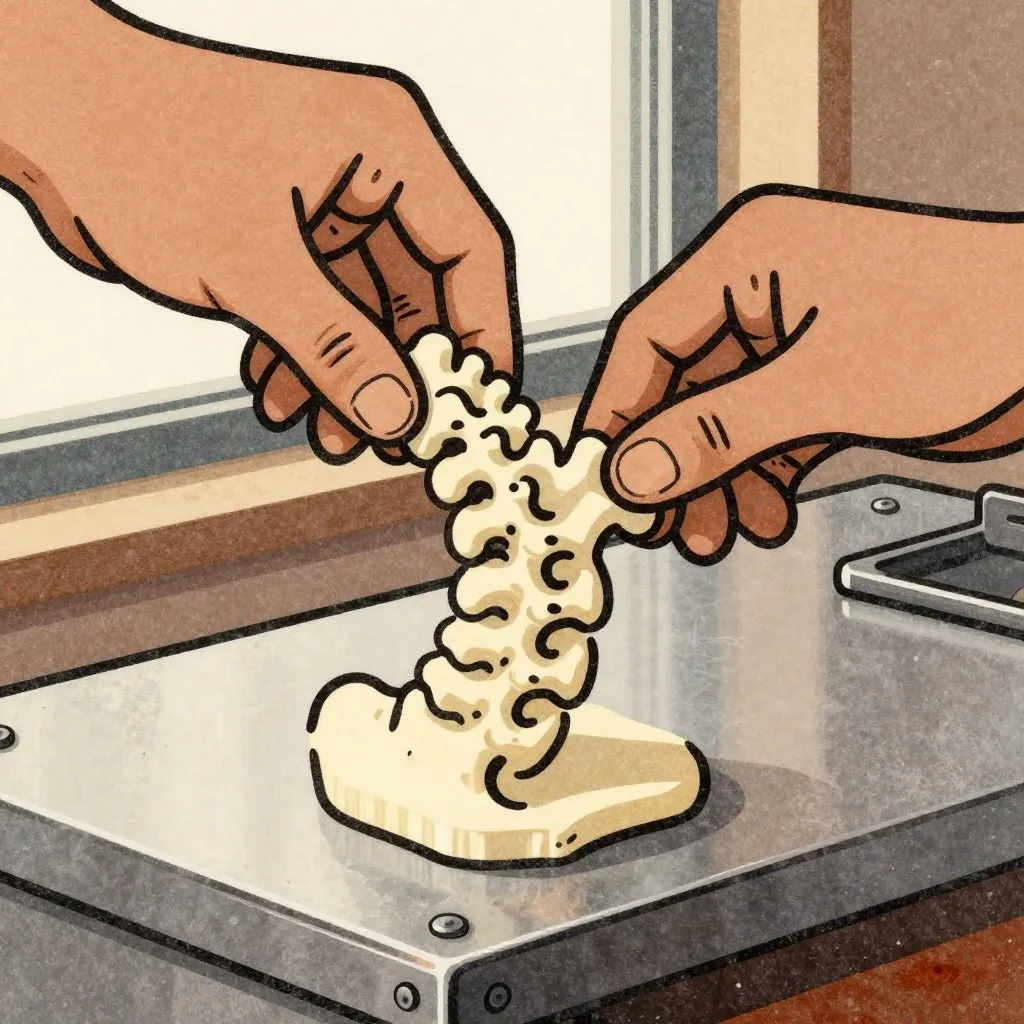
The surgeons did not go straight to the operating table. First, they sent the scan data to a 3D printer and produced a physical model of Freya's spine, built to scale and exact in every detail. They held it in their hands. They studied the angles. They planned the repair before they ever made a cut.
The implant they chose was a custom flexible titanium plate. Titanium because it is strong and does not react with living tissue. Flexible because a cheetah's spine is not a rigid rod. It moves, twists, and absorbs impact with every step. The plate had to move with it.
The Surgery
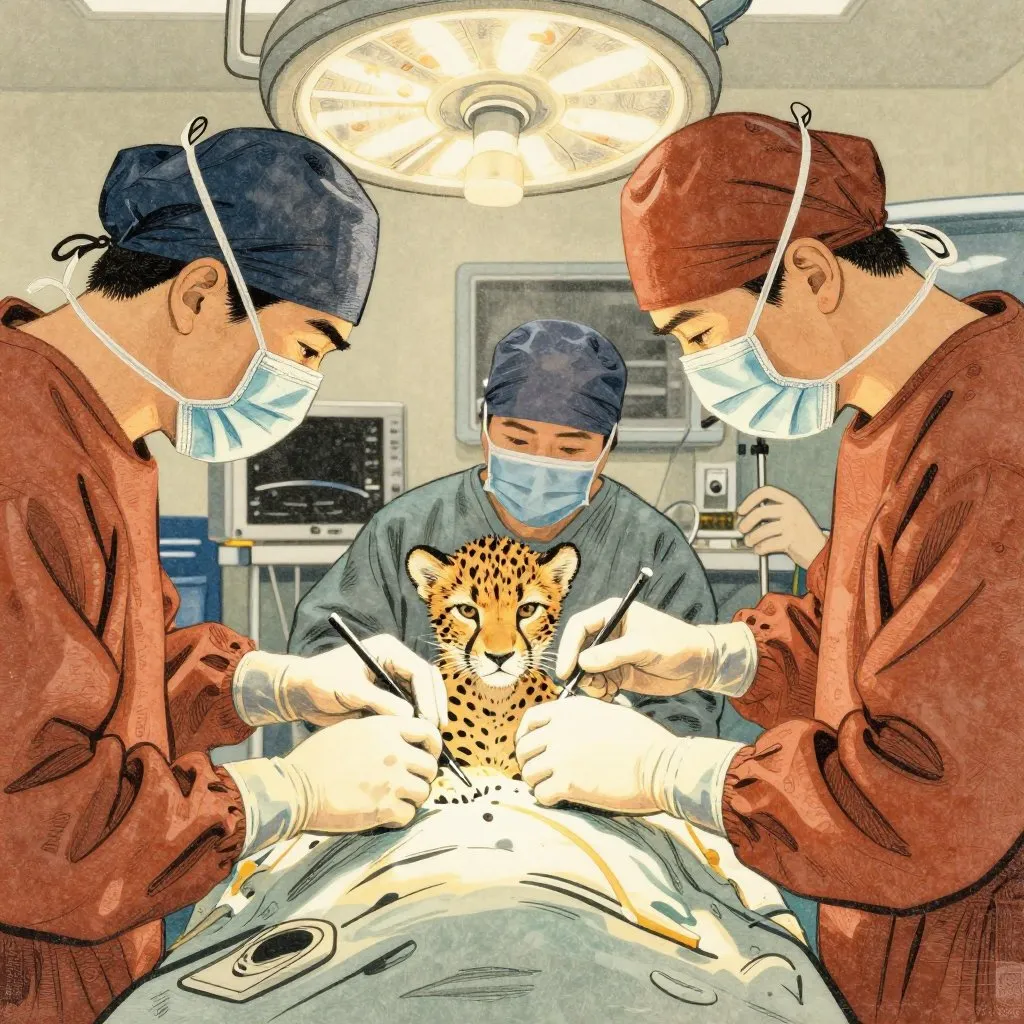
The operation required precision at a scale that is difficult to describe. Cheetahs are smaller than they look on television. Freya, at 11 months, was still growing into her adult size. The vertebrae the surgeons were working with were not large.
The team placed the titanium plate and secured the curve. They closed the incision. And then they waited to see what Freya would do.
Walking the Same Day
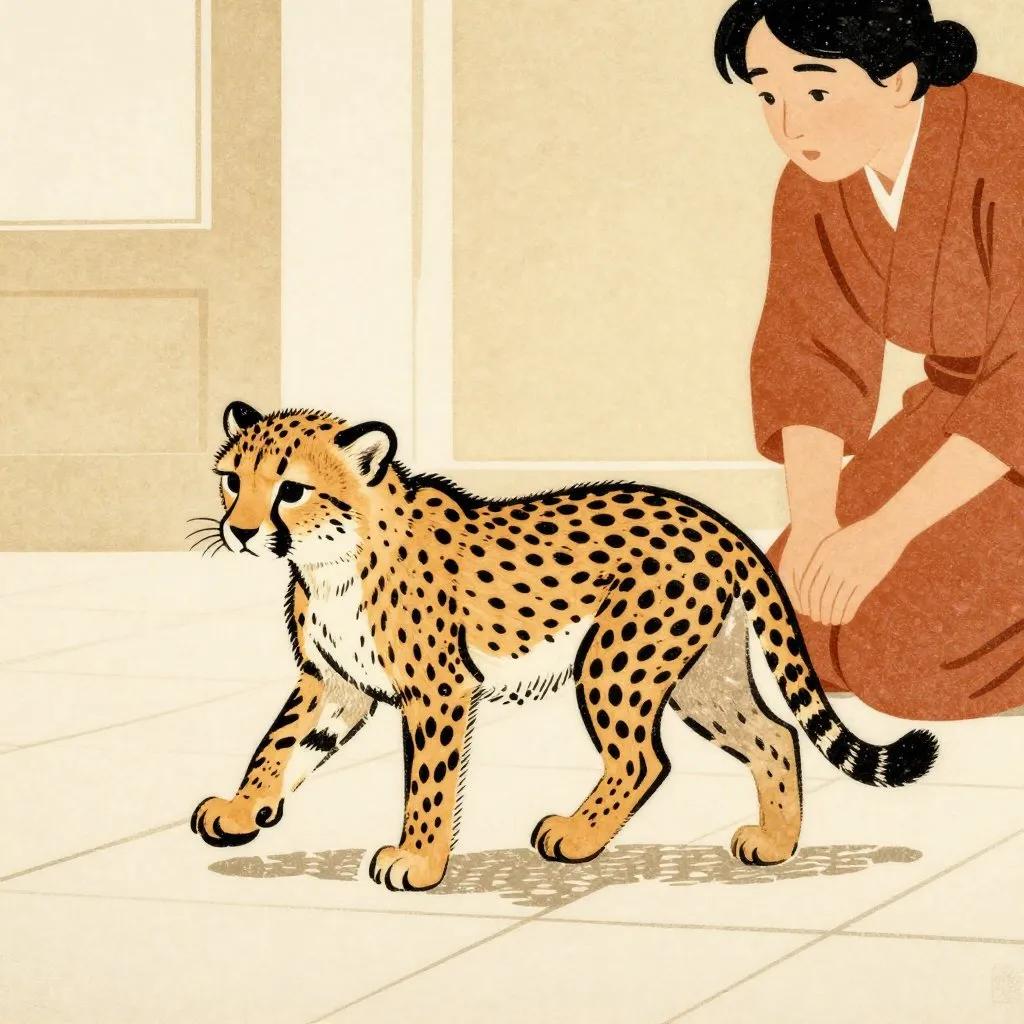
She walked. Not the next morning, not after a week of careful rehabilitation. The same day as the surgery, Freya stood up and moved under her own power. Her keepers watched with the particular, quiet attention of people who have seen a lot and still know when something is remarkable.
Eight days after the operation, Freya returned to her family group. Not slowly, not with any apparent uncertainty. She went back to her sisters and her mother as if she had only been away for a little while, which, in a cheetah's sense of time, she had.
What She Does Not Know
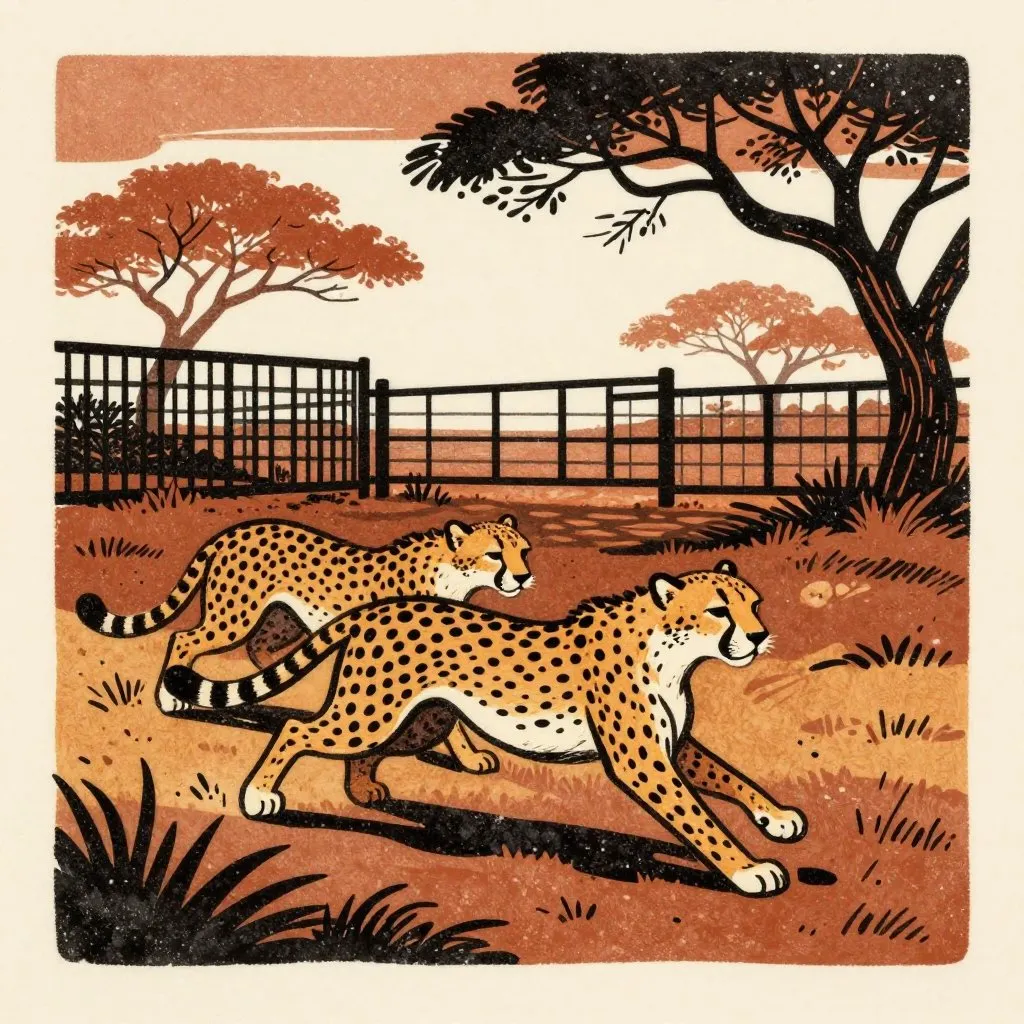
Freya does not know what was found during that exam. She does not know about the CT scan, the printed model on a workbench, the surgeons deliberating over her spine in the hours before the operation. She does not know that the titanium plate in her back is why she can run the way she does.
She knows the smell of her enclosure. She knows her family. She knows the particular angle of morning light that means keepers will be arriving soon. That is the life she has, and it is a full one, because someone was paying close enough attention to give it back to her.
Field Notes
- Freya is an 11-month-old cheetah cub at the Smithsonian's National Zoo in Washington, D.C.
- During a routine veterinary exam in 2024, keepers discovered an unusual spinal bulge. A CT scan confirmed her thoracic vertebrae were forming a C-shaped curve.
- Zoo veterinarians 3D-printed a physical model of Freya's spine before surgery in order to plan the procedure in precise detail.
- Surgeons corrected the curve using a custom flexible titanium plate designed to move with the natural motion of a cheetah's spine.
- Freya was walking on the day of her surgery and rejoined her family group eight days later.
Support the National Zoo
The Smithsonian's National Zoo and Conservation Biology Institute cares for more than 2,700 animals and conducts conservation and science programs around the world, including critical work to protect cheetahs and other vulnerable species.
Support the National Zoo