The Accident
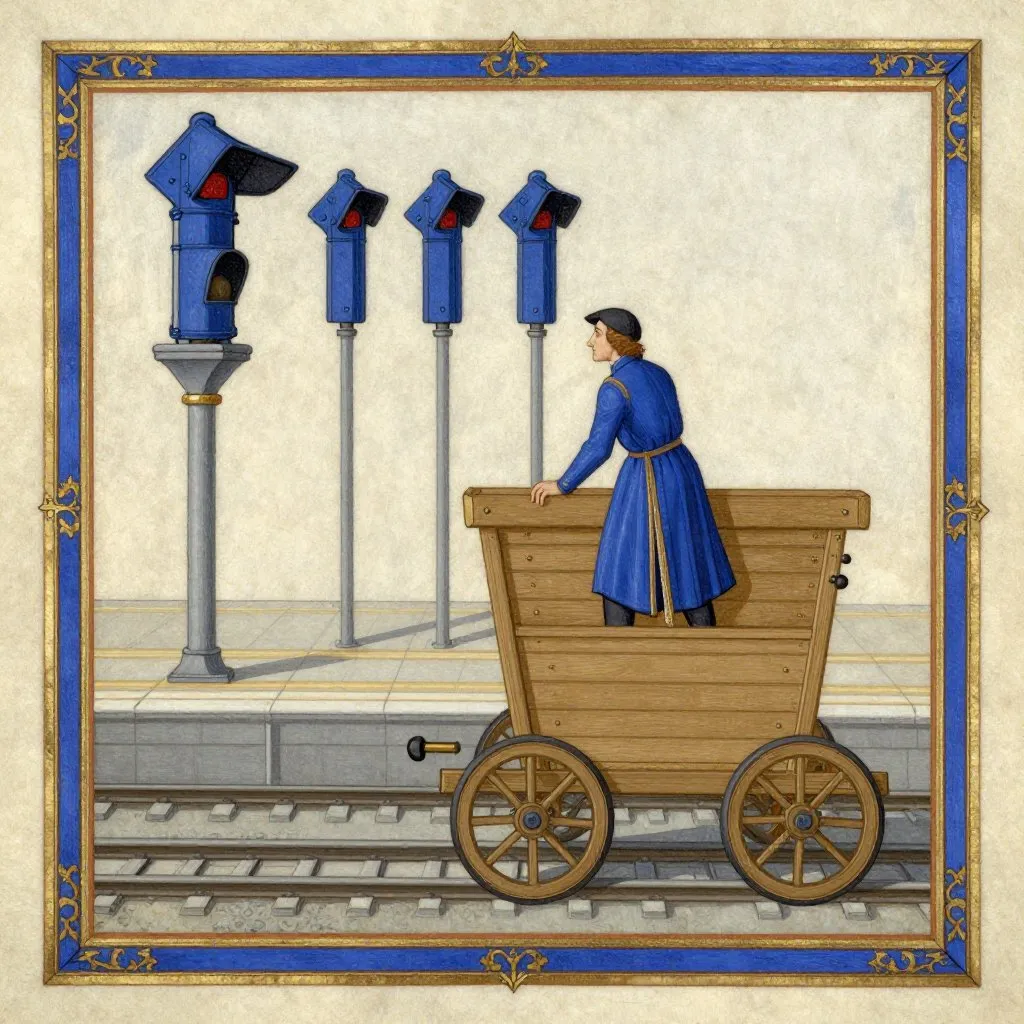
James Wide worked the signal levers at Uitenhage station in South Africa's Eastern Cape. It was careful, physical work: pulling and pushing heavy levers to route trains safely through the junction. One day in the early 1880s, he slipped while climbing between moving rail cars. Both of his legs were crushed. He survived the accident. He did not keep his legs.
Wide had a wooden cart built and learned to push himself around the station yard. He could still read the signal patterns. He still knew every switch. What he needed was someone with strong arms and the ability to follow instructions.
The Arrangement
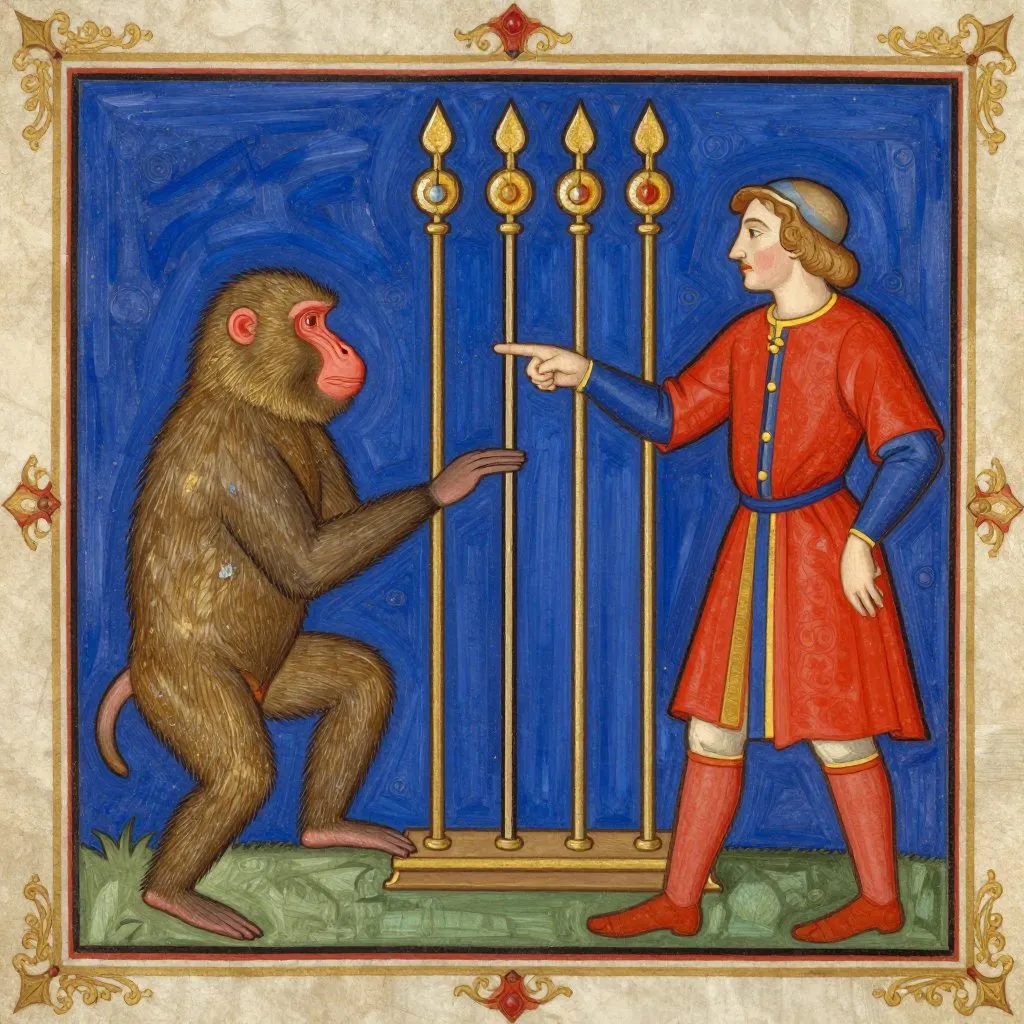
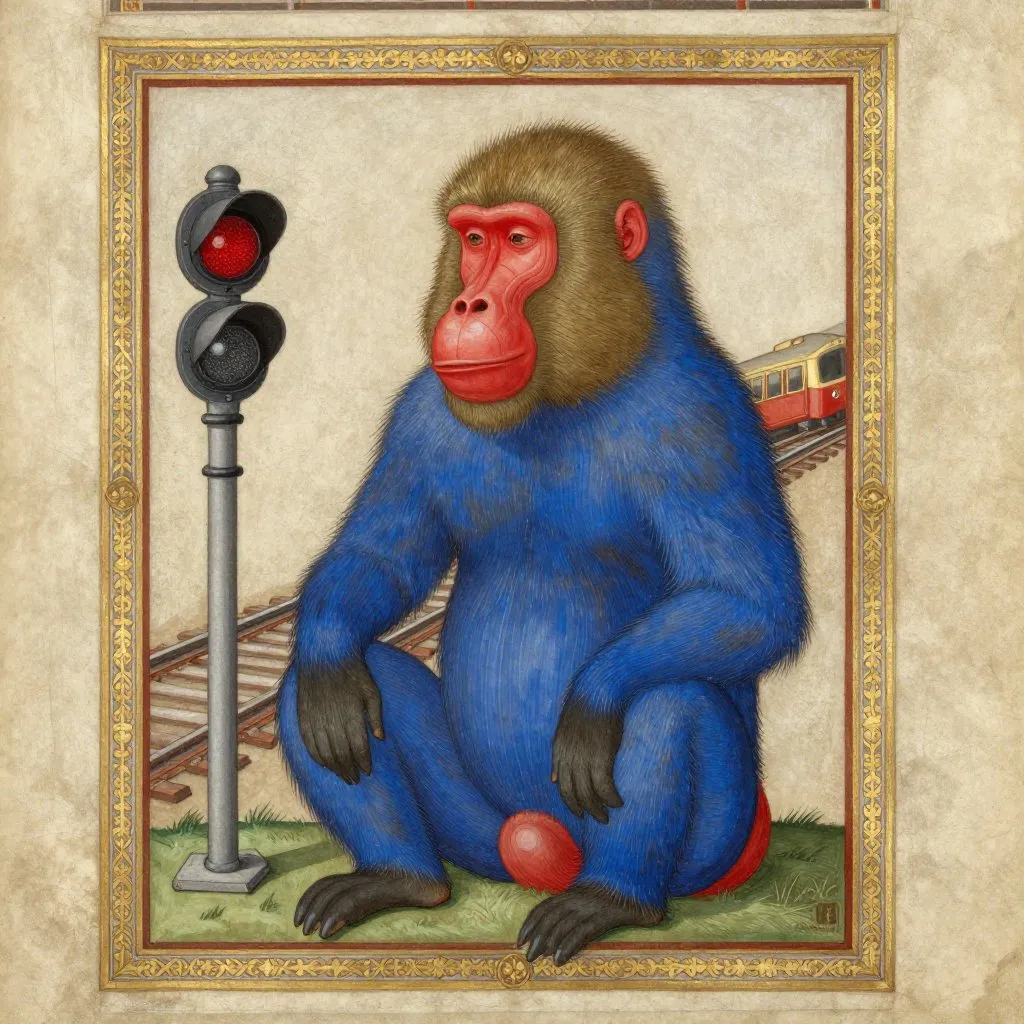
Wide found Jack at a local farm. Jack was a male chacma baboon, an adult, heavy-shouldered and watchful. Wide brought him home and began teaching him. First the cart: Jack learned to push Wide to and from work each day without prompting. Then the levers: Wide showed Jack which handle corresponded to which signal, how hard to pull, when to stop.
Jack was not performing tricks. He was learning a job. There is a difference, and Jack understood it.
The Inspector
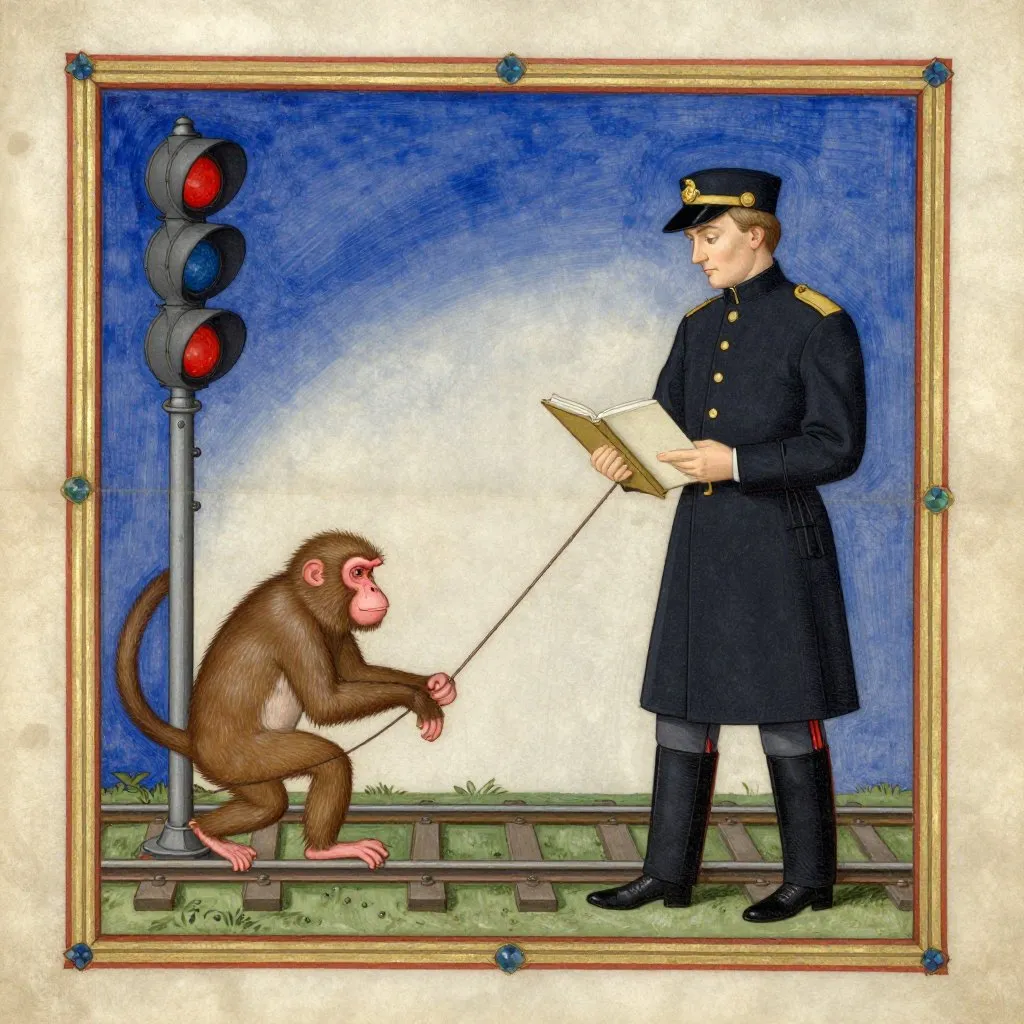
Word reached the Cape Government Railway that a signalman in Uitenhage had a baboon working his levers. An inspector arrived to investigate. This was the kind of story that could end careers, if it went wrong.
The inspector watched. Then he ran a formal test: he signaled for specific switches and observed whether Jack responded correctly. Jack pulled the right levers in the right order. He did not hesitate. He did not make a single mistake.
Signalman Number 2
The Cape Government Railway made it official. Jack was assigned employee number 2 and entered into the payroll. His daily wage was a ration of food and a half-bottle of beer. He held this position for nine years.
Records documented no errors during his tenure. Trains moved through Uitenhage junction on schedule. Jack worked alongside Wide every day, reading the signals and responding to them with the same precision the inspector had witnessed. He was, by any reasonable measure, good at his job.
What the Records Show
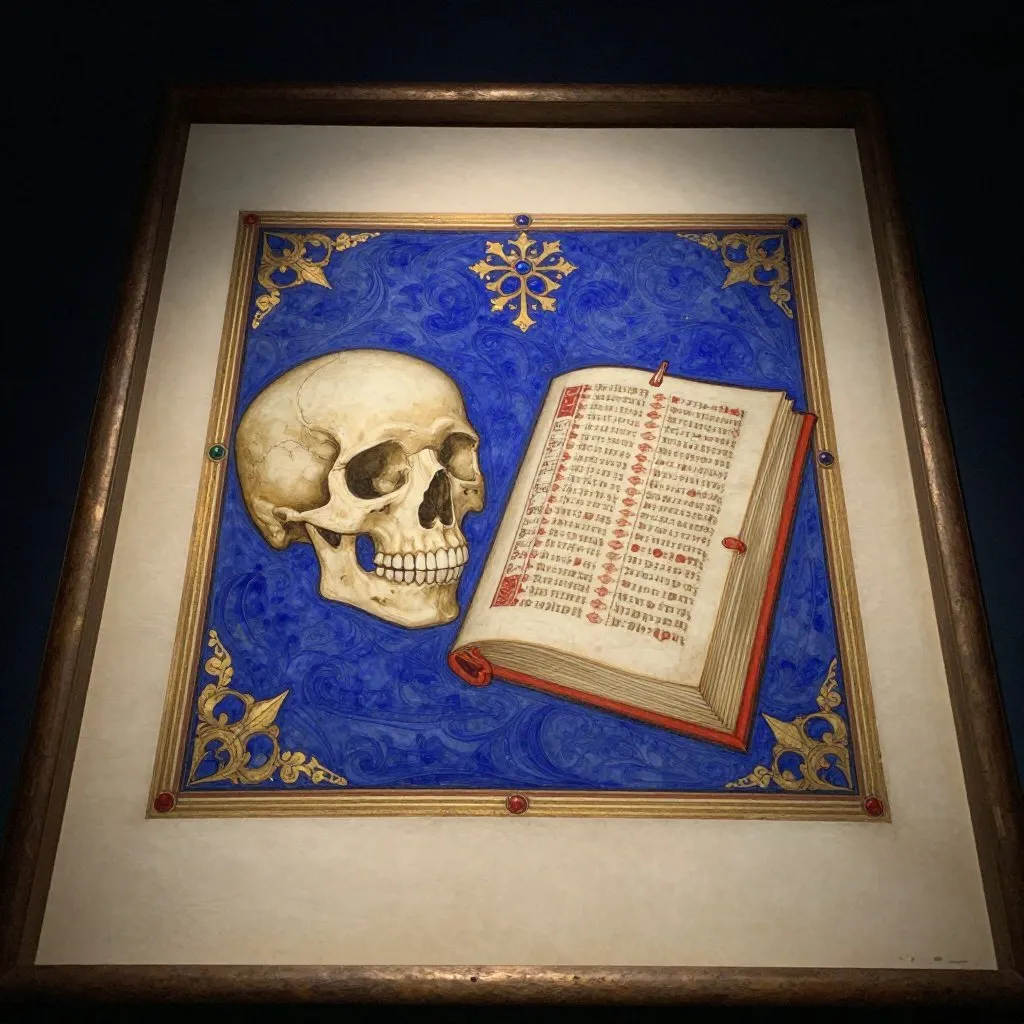
Jack died in 1890. The Cape Argus newspaper documented the story. His skull and the associated employment records were preserved and are held at the Albany Museum in Grahamstown, now known as Makhanda. They are still there.
The museum holds the proof: the ledger entries, the employee number, the notes from the inspectors. A baboon was formally employed by a colonial-era railway. He earned wages. He passed a competency test. He worked a nine-year career without a recorded incident.
What We Choose to See
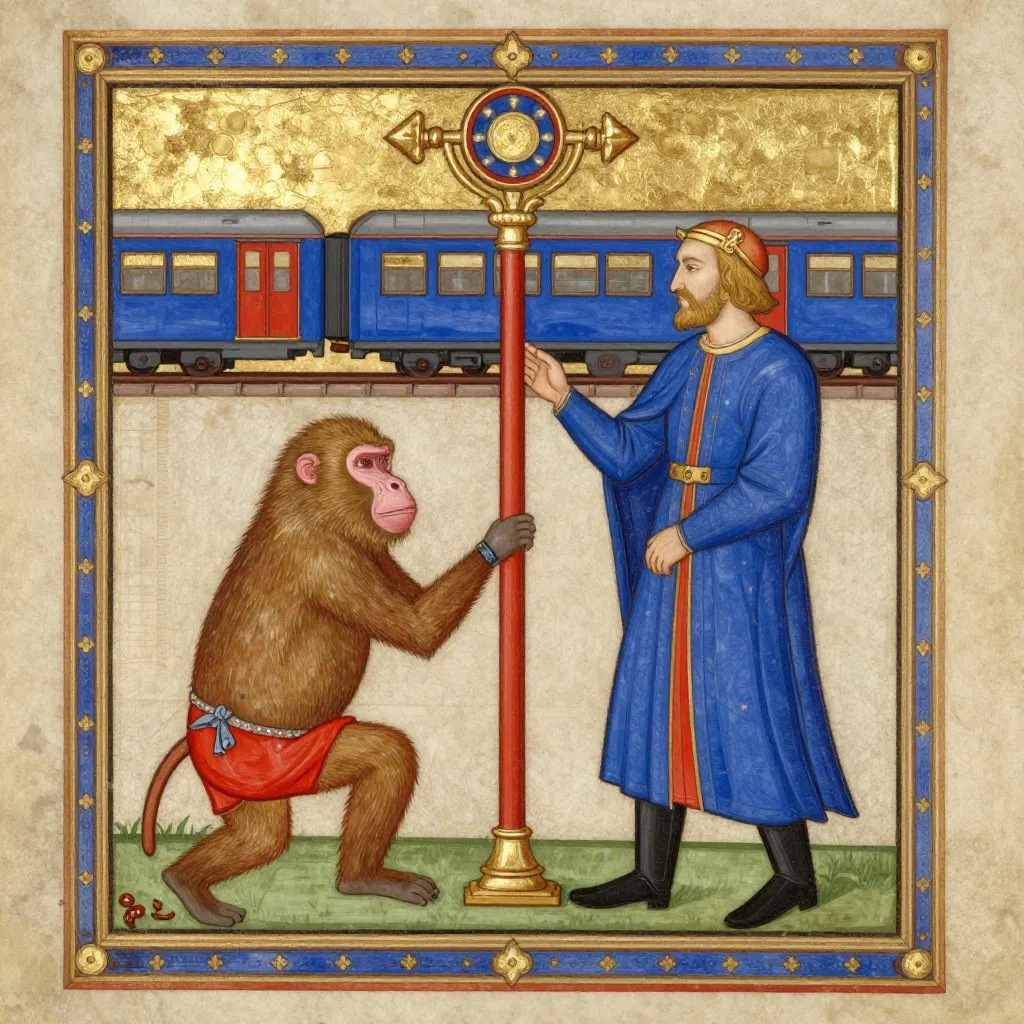
The easy version of this story is a curiosity. A baboon who pulled levers. A charming footnote from a different era. But that framing requires ignoring the test, the records, the nine years of reliable work, the formal employment. It requires deciding in advance what kind of mind is worth taking seriously.
Jack was a chacma baboon in 1880s South Africa. He was not given the benefit of the doubt by anyone except a legless railway worker who needed help and paid attention to what was in front of him. Wide saw what Jack could do and trusted it. The railway inspector saw the same thing and put it in writing. The rest is a question each reader gets to answer for themselves.
Field Notes
- James Wide, a signalman at Uitenhage station in South Africa's Eastern Cape, lost both legs in a railway accident in the early 1880s and acquired a male chacma baboon named Jack to assist with his work.
- Jack was trained to push Wide's wheelchair to work and to operate the signal levers at Uitenhage junction when directed by Wide. He also fetched keys from railway officials.
- A Cape Government Railway inspector ran a formal competency test on Jack. Jack passed, correctly operating the signal levers in response to each prompt.
- Jack was officially entered into the Cape Government Railway payroll as employee number 2 and paid a daily wage of food and beer. He worked the junction for nine years with no recorded errors.
- Jack died in 1890. His skull and employment records are preserved at the Albany Museum in Makhanda (formerly Grahamstown), South Africa. The story was documented in the Cape Argus newspaper.
Support Baboon Matters
Baboon Matters works to protect chacma baboons in South Africa through education, research, and community engagement. Their work ensures troops like Jack's have advocates in a world that doesn't always pay attention.
Support Baboon Matters