The Bird at the Fountain
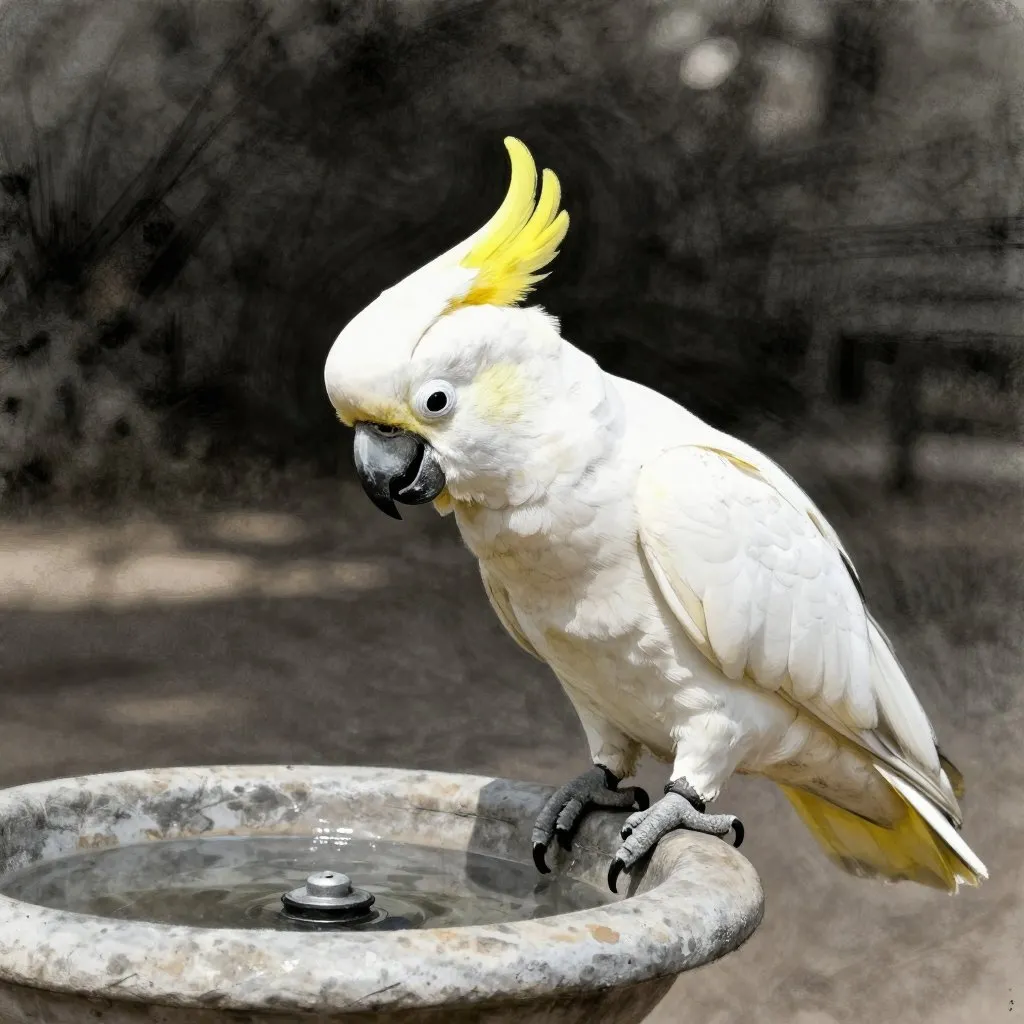
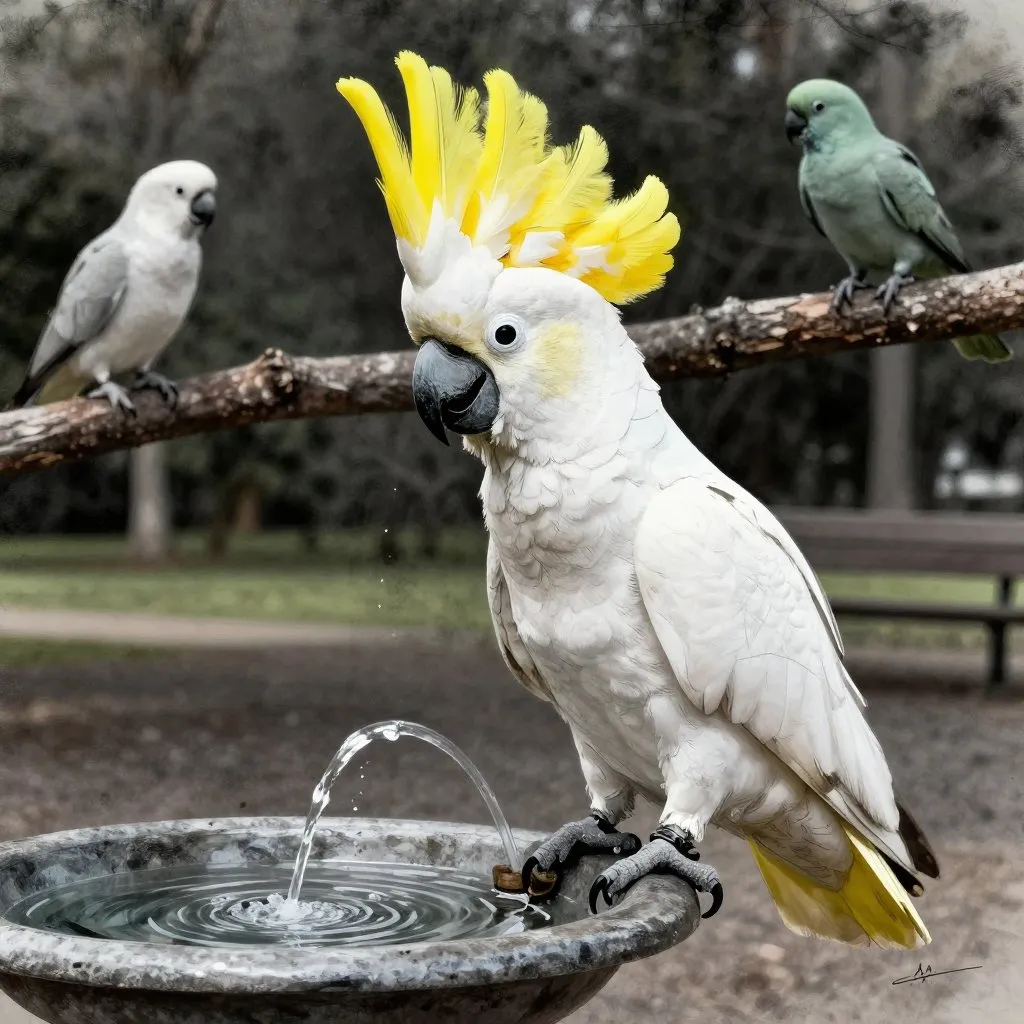
It started with one bird at a drinking fountain in a Sydney park. The fountain had a foot pedal. The bird stepped on it, the water came out, and the bird drank. That much is simple enough.
What made it worth writing down was this: the bird had not been taught. No one had shown it the pedal. It had worked it out on its own, the way some animals occasionally do with things they were never supposed to understand.
What Sulphur-Crested Cockatoos Are
Sulphur-crested cockatoos are large, loud, and conspicuous. They travel in flocks across eastern Australia and they are not subtle about anything they do. They are also, researchers have established, among the most cognitively complex birds alive.
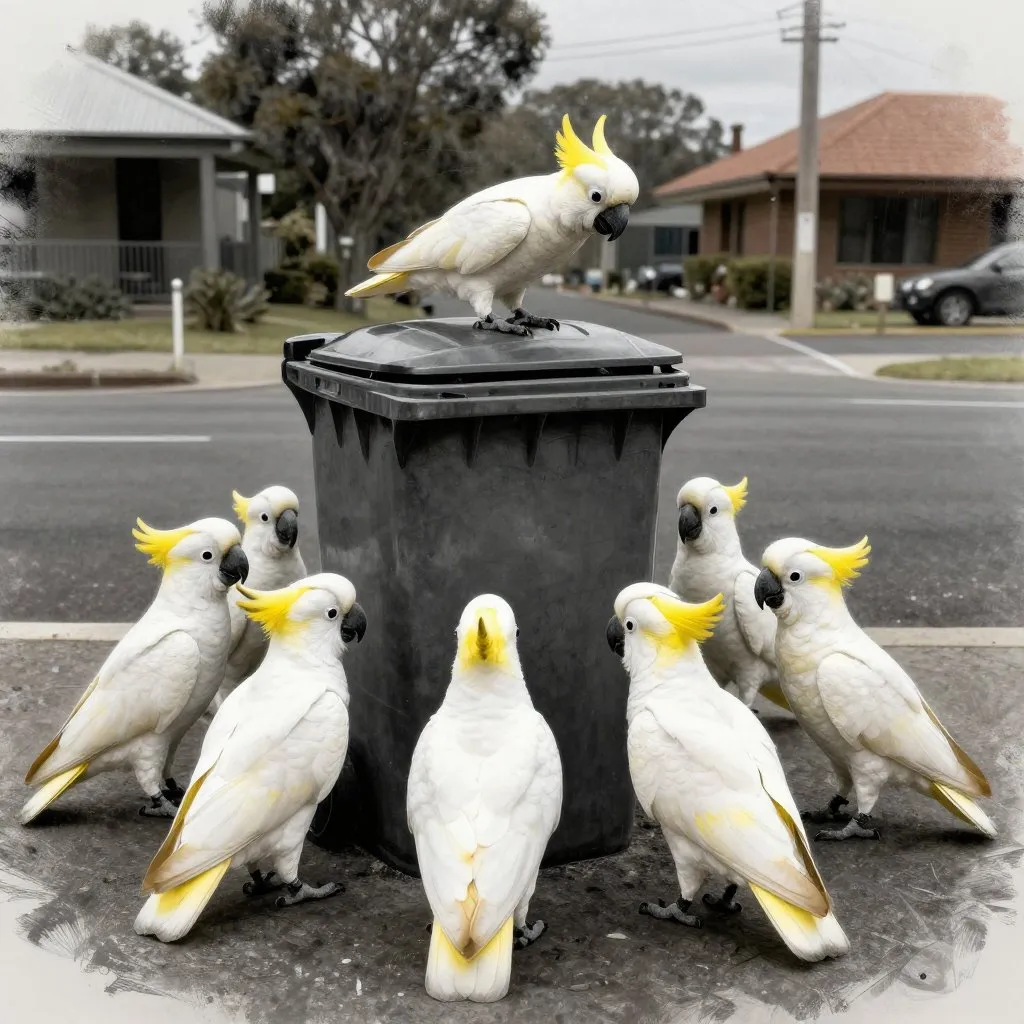
This is the same species that learned to open the lids on Sydney's wheelie bins to get at the food inside. That behavior spread through the city bird by bird over several years. By the time the fountain behavior was documented in 2022 and 2023, the researchers paying attention had some reason to expect what came next.
A Second Bird Watches
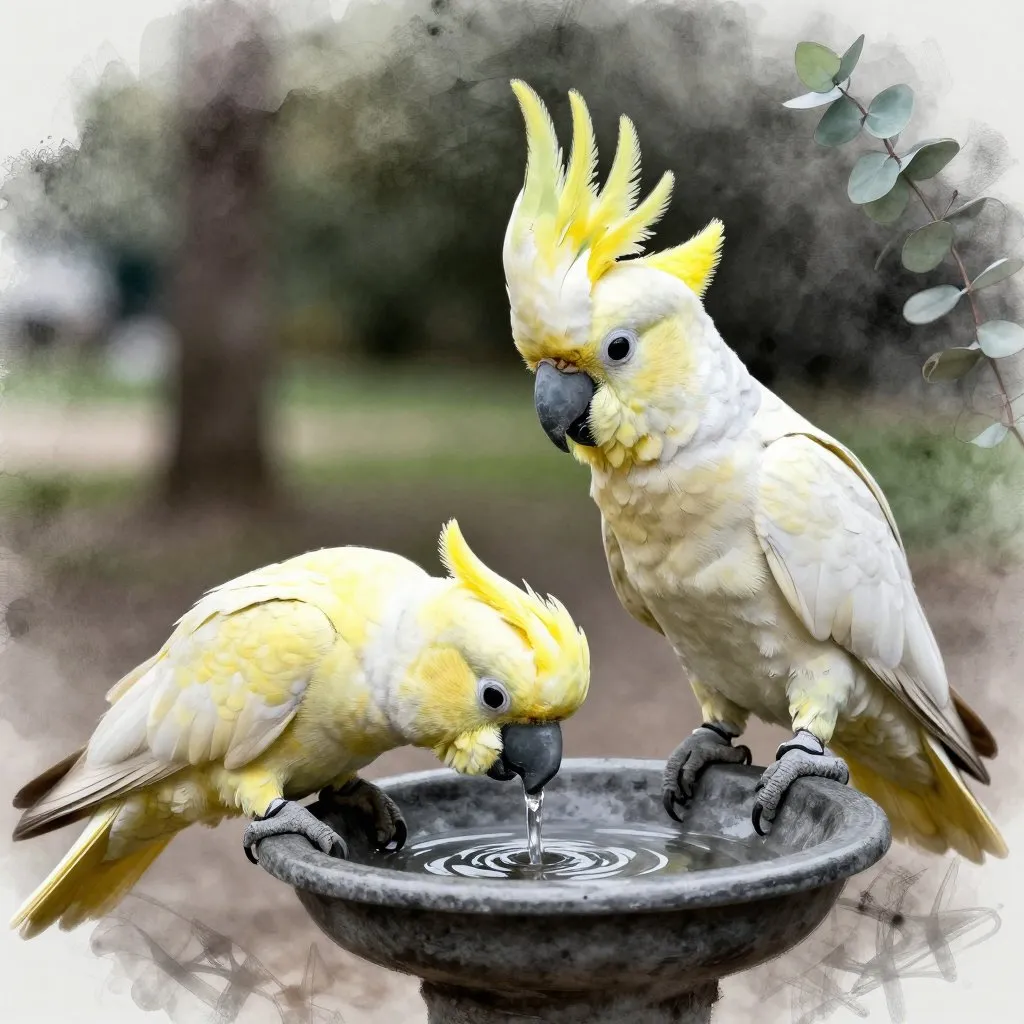
The fountains in Sydney's parks were not private. Other cockatoos were nearby when the first birds drank. They watched. They waited. They came closer.
Social learning is not the same as imitation, exactly. A bird does not watch another bird and then perform a perfect copy. It watches, it experiments, and it lands on something that works. The result looks similar. The path to get there is its own.
The University of Sydney Pays Attention
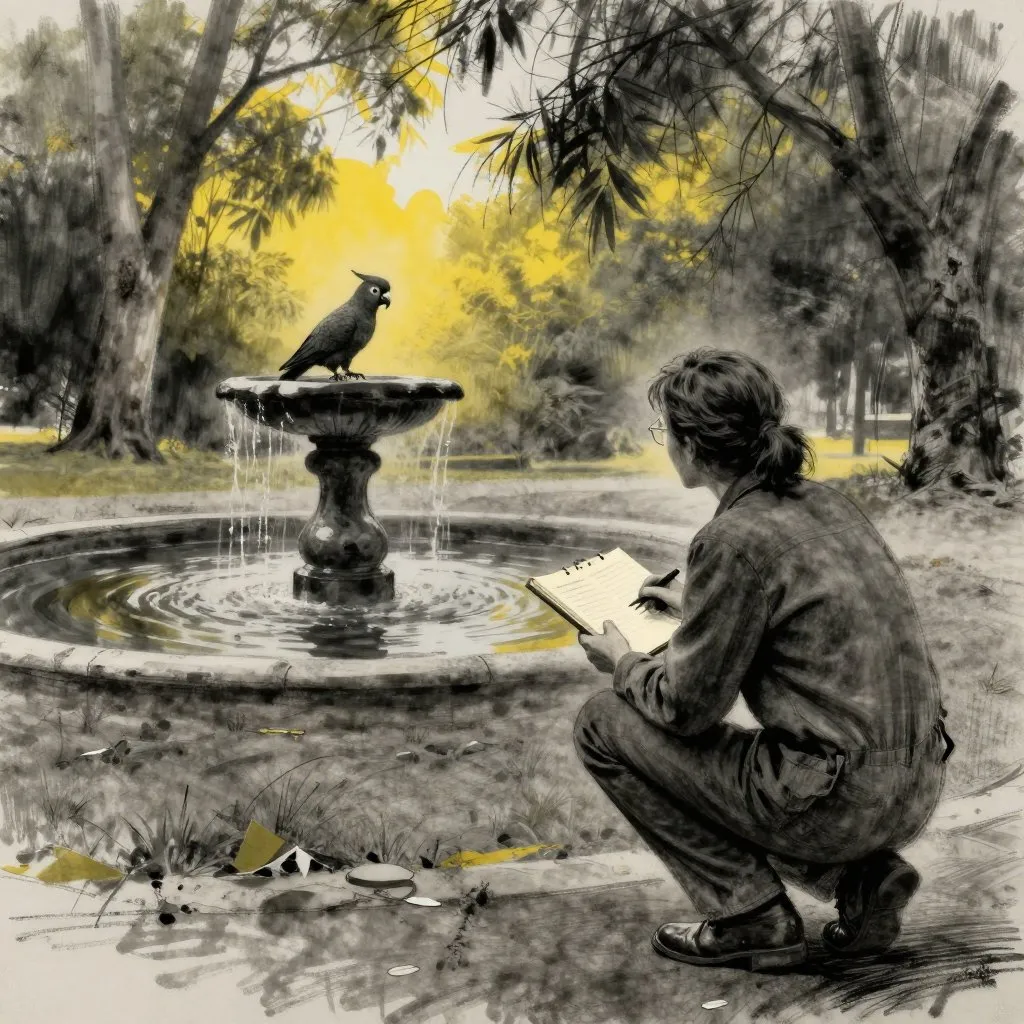
Researchers from the University of Sydney began tracking the spread of the fountain behavior across the city's parks. They documented which birds used fountains, which parks had active users, and how the skill moved through the population over time.
The pattern they found matched what you would expect from cultural transmission, not instinct. The behavior spread along social lines. Birds who spent time near birds who knew how to work the fountain learned faster than birds who didn't. The knowledge was moving the way knowledge moves in a community.
Not Every Fountain Is the Same
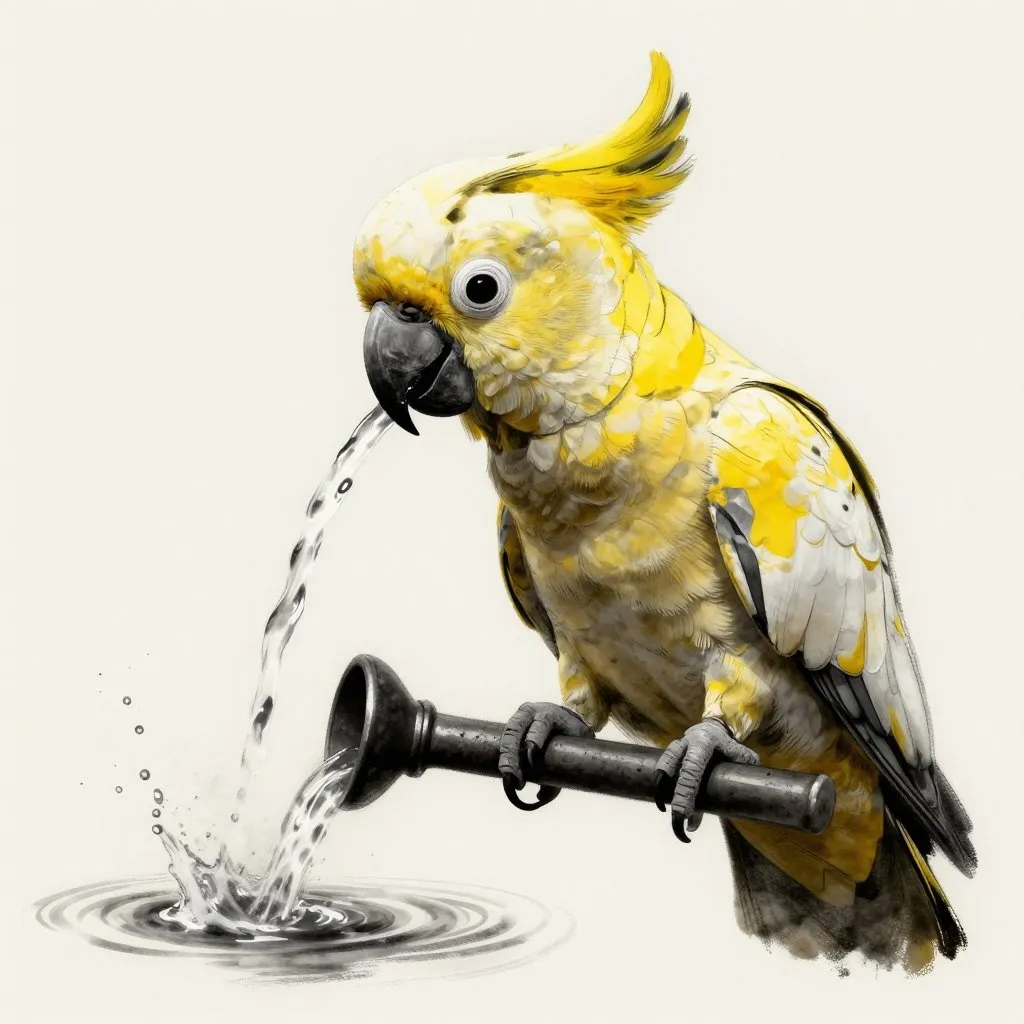
Some fountains had foot pedals. Some had handles. Some required a different motion entirely. Individual birds adapted. A cockatoo that had learned one style would work at a new fountain until it found the mechanism. The goal, water, stayed the same. The method changed to fit the object.
Researchers noted that birds were not locked into a single technique. They were solving problems. Each new fountain was a new problem, and the birds were bringing something to it that is not easy to name without using a word we usually reserve for ourselves.
What the Parks Look Like Now
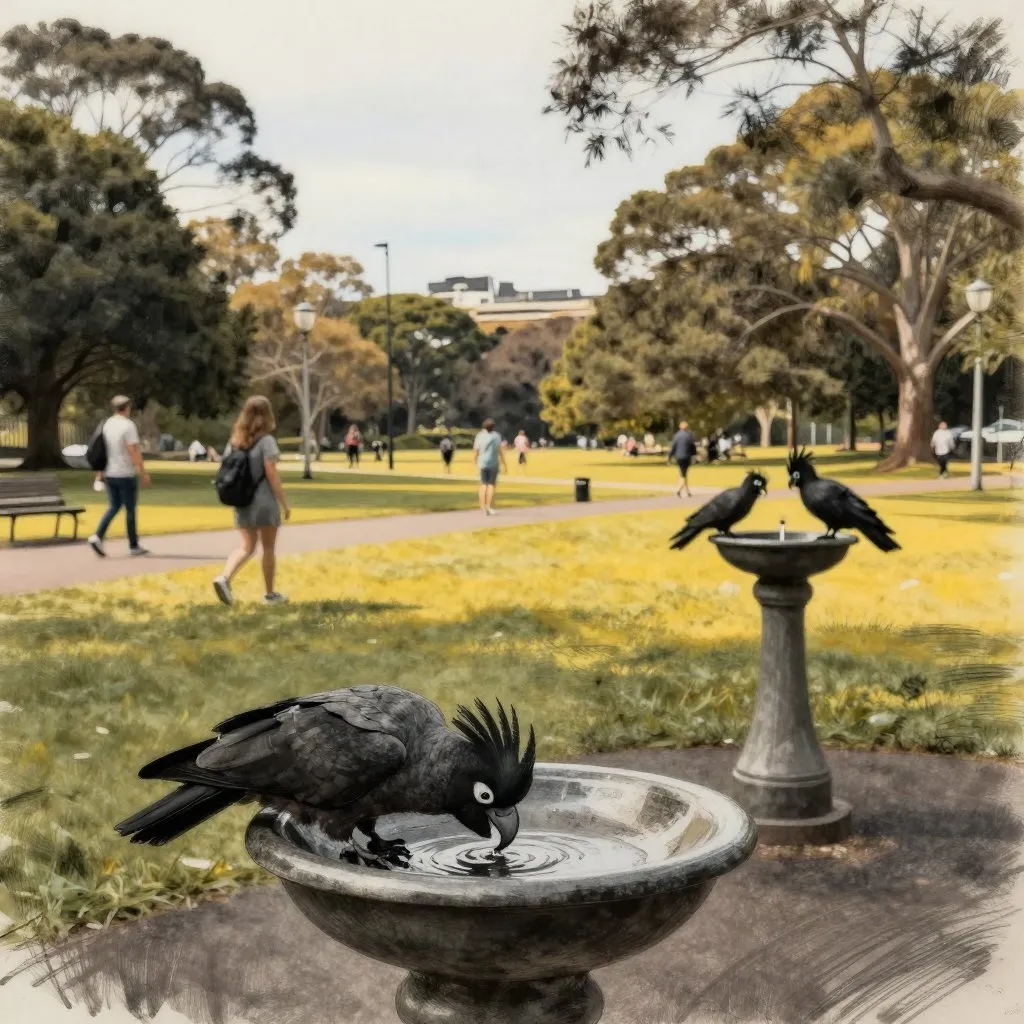
Walk through Centennial Park or Hyde Park on a warm afternoon and you may see it for yourself. A white bird with a sulfur-yellow crest lands near a drinking fountain, steps with deliberate weight onto the pedal, and drinks. Other birds are nearby, watching.
The researchers who documented this will keep watching too. The question they are most interested in is not whether cockatoos are clever. That is already settled. The question is how far a learned behavior can travel through a wild population, and what it looks like when an animal culture changes in real time.
Field Notes
- Sulphur-crested cockatoos in Sydney were documented operating public drinking fountains in parks beginning around 2022 to 2023, pressing foot pedals or turning handles to activate water flow.
- The behavior was not instinctive. It originated with individual birds and spread through social learning, documented by researchers from the University of Sydney.
- Findings on the cultural transmission of the behavior were published by the University of Sydney research team.
- The same species had previously been documented learning to open wheelie bin lids across Sydney, a behavior that also spread through social learning over several years.
- Sulphur-crested cockatoos are considered among the most cognitively complex birds, known for problem-solving, tool use, and cultural transmission of learned behaviors.
Support BirdLife Australia
BirdLife Australia is the country's oldest and largest bird conservation organization, working to protect native birds and their habitats through research, advocacy, and community programs.
Support BirdLife Australia